Best Oil for Flat Tappet Cam Engines: Top Choices for Break-in and Longevity
Choosing the right oil for a flat tappet cam engine is crucial for initial break-in protection and long-term wear resistance. The following products are highlighted for breaking in, protecting high-friction cam lobes, and maintaining performance in classic and hot-rod builds. This guide compares break-in oils, racing blends, and additives designed to boost zinc-phosphorus content and provide robust anti-wear protection.
| Product | Brand | Type |
|---|---|---|
| Lucas Oil 10631 SAE 30 Racing Engine Break-in Oil | Lucas Oil | Break-in Oil |
| COMP Cams 1590 Engine Break-In Motor Oil 10W30 | Speedway Motors | Break-In Oil |
| COMP Cams 159 Engine Break-In Oil Additive, 12 oz. | Comp Cams | Additive |
| Lucas Oil 10636 SAE 20W-50 Racing Engine Break-in Oil | Lucas Oil | Break-in Oil |
| Royal Purple 11487 High Performance Engine Break-in Oil | Royal Purple | Break-in Oil |
Lucas Oil 10631 Racing Break-In Oil
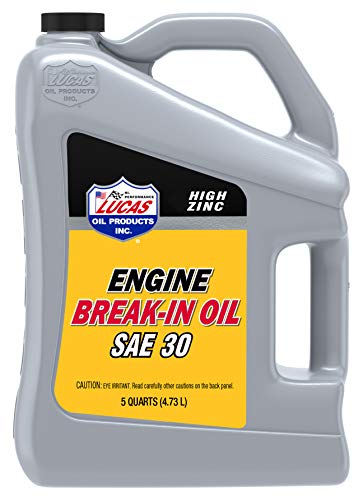
Lucas Oil 10631 is designed for the initial seal and protection needed during the break-in of both flat tappet and roller camshaft applications. This 5-quart formulation aims to establish a quicker, more efficient ring seal and provides protection during the critical startup period. Key features emphasize fast sealing and performance on initial break-in, making it suitable for classic and hot-rod engines that require robust mineral-based protection.
COMP Cams 1590 Engine Break-In Motor Oil 10W30
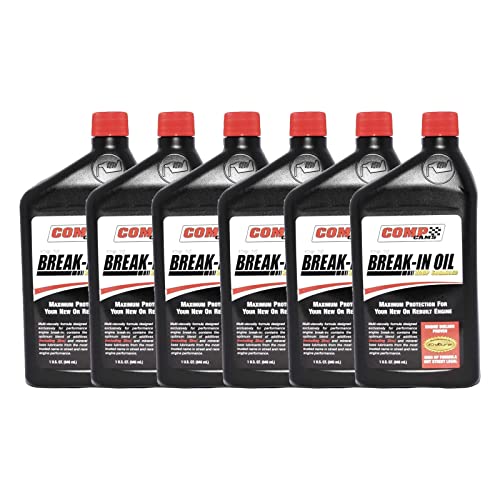
This 10W-30 break-in oil provides critical wear protection for flat tappet cams, lifters, and other high-friction components. It emphasizes high zinc and phosphorus content for anti-wear protection, aiming to support proper ring seal and reduce scuffing during the crucial break-in phase. The blend is formulated to help modern oils supply adequate protection while catering to older camshaft designs.
Lucas Oil 10063 Engine Break In Oil Additive

This additive blends extreme pressure compounds designed for new motors and flat tappet camshafts, often used to supplement break-in oil for additional protection. It targets race applications requiring extra EP additives and is dyno-tested to promote faster break-in and reduced blow-by, making it suitable for engines with sensitive break-in protocols or high-performance builds.
COMP Cams 159 Engine Break-In Oil Additive

Designed to improve surface mating of the rotating assembly and critical components, this additive package includes optimized levels of ZDDP, molybdenum, and detergents. It supports flat tappet and roller valve trains by boosting lubrication and wear protection during the critical break-in window, aiding long-term engine reliability in performance builds.
Lucas Oil 10636 SAE 20W-50 Racing Engine Break-in Oil

In high-load racing scenarios, a thicker 20W-50 formulation can be advantageous during break-in. It promotes rapid ring sealing and sustained protection in engines designed for high-performance operation. The blend is marketed to deliver strong protection on initial startup and track-ready performance before routing into racing-specific oils.
Royal Purple 11487 High Performance Engine Break-in Oil

Royal Purple’s break-in oil emphasizes high-performance capabilities for flat tappet and roller cam engines. The product’s packaging notes include specific dimensions and weight, reflecting its practical use in engineered builds. It aims to provide reliable protection and stable lubrication during break-in and initial operation in performance-oriented applications.
Buying Guide: Key Purchase Considerations
- Oil viscosity and application: Break-in oils commonly use 10W-30 or 20W-50 ranges. Choose viscosity based on engine design, climate, and whether you’re breaking in a new motor or maintaining a vintage build.
- Zinc and phosphorus content: Flat tappet cams require robust anti-wear additives (ZDDP). Consider products marketed as break-in oils or additives that emphasize EP compounds for lasting cam and lifter protection.
- Break-in vs. race vs. standard use: Break-in oils are optimized for initial sealing and wear protection, while racing blends focus on maximum protection under high stresses. Decide whether you need a dedicated break-in product or an additive to supplement your existing oil.
- Compatibility with engine design: Some engines benefit from higher zinc content or specific additive packages. Check manufacturer recommendations and engine age to avoid conflicts with modern emissions or seals.
- Single-entity oils vs. additives: A dedicated break-in oil provides a complete formulation, whereas additives are designed to be mixed with base oil. Follow guidelines for dosage and compatibility to ensure optimal results.
- Usage scenario: Classic cars and hot rods with flat tappets benefit from oils explicitly designed for traditional cam profiles, while modernized builds may require different baselines. Consider your project’s goals, maintenance schedule, and expected operating conditions.
- Availability and storage: Some break-in formulations are sensitive to temperature and storage duration. Ensure you follow shelf-life guidance and store in a cool, dry place to maintain effectiveness.
When selecting an oil for a flat tappet cam engine, prioritize products that offer explicit break-in protection, high anti-wear additive content, and compatibility with your engine’s design and performance goals. The options listed above cover a range of viscosities, additive packages, and application scopes to support reliable camshaft wear protection during initial operation and beyond.