Best Cam for Stock 350 Chevy: Top Hydraulic Camshafts
Choosing the right hydraulic camshaft for a stock Chevy 350 can improve drivability, low-end torque, and overall highway manners without requiring major engine work. This guide highlights five solid options designed for small-block Chevy engines from the late 1950s through the 1990s. Each pick balances street performance, compatibility, and durability to enhance stock-converter setups. The included buying guide covers key factors to consider, so you can compare cams by duration, lift, and lobe separation for your daily driver or light-tuned builds.
| Product | Brand | Key Benefit |
|---|---|---|
| Comp Cams 12-211-2 270H Magnum Hydraulic | Comp Cams | Broad RPM range with smoother idle |
| Engine Pro SBC 350 5.7L HP RV 420/433 Lift Cam | Engine Pro | Better low-end power, versatile compatibility |
| Stock Replacement 1969-1980 Camshaft Kit | Guardian Engine Kits | OEM-like replacement with timing set |
| Torque RV Ultimate Cam Kit for Chevy 305/350 | Falcon Performance | Strong low-RPM torque and smooth idle |
| Cam Bearing Installation & Removal Driver Tool | 1409KMT | Installation tool for SBC engines |
Comp Cams 12-211-2 270H Magnum Hydraulic

The 270H Magnum hydraulic flat tappet camshaft is designed for small-block Chevy engines from 1955 to 1987. It delivers a broad operating range (1,800–5,800 RPM) with 224/224 degrees duration at .050″ and a 110-degree lobe separation angle. This profile provides a mild but noticeable improvement in midrange torque and a smoother idle compared with stock cams, making it suitable for daily drivers using a stock converter or modest stall. It works best when paired with appropriate gearing and exhaust for overall efficiency.
Engine Pro SBC 350 5.7L HP RV Camshaft

Engine Pro’s SBC 350 camshaft is built to fit a wide range of Chevy small-block engines from 1957 to 1995. It emphasizes improved lower-end power and smoother idle, making it a strong all-around choice for highway driving, light towing, and off-road use. The design aims for better throttle response with reliable durability and compatibility, preserving daily usability while unlocking more torque at lower RPMs for everyday acceleration.
Guardian Engine Kits Stock Replacement Cam Kit

This kit targets early Chevy small-block stock applications, including 283, 327, 350, and small block 400. It includes a stock-style camshaft with a three-piece timing set, providing a straightforward upgrade path for restoring stock performance with fresh components. Suitable for owners who want a direct replacement that preserves factory drivability while reducing wear and noise from aging components.
Falcon Performance Torque RV Ultimate Cam Kit
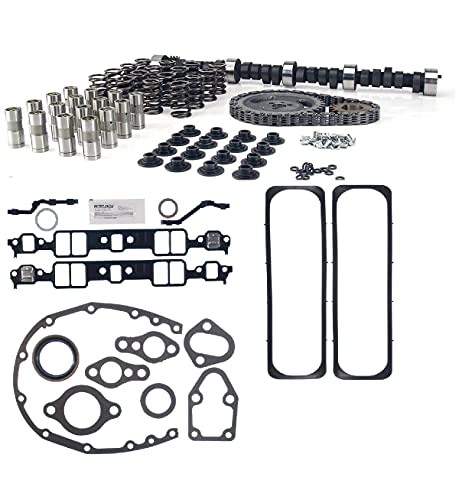
The Torque RV Ultimate Cam Kit is designed for Chevy/GMC SBC trucks with 305/350 engines using hydraulic flat tappets. It emphasizes good low-RPM torque, strong pulling power, and smooth idle with computer compatibility. The cam profile features 278/288 degrees duration and roughly 420/443 lift, delivering a practical balance of street manners and improved torque for highway cruising and light towing scenarios.
Cam Bearing Installation & Removal Tool

This tool helps install and remove cam bearings on SBC engines quickly and safely, reducing the risk of damage. Made from high-quality aluminum and steel components for durability, it fits Chevrolet small-block engines and is not compatible with LS-based engines. This accessory is valuable for DIY engine builders performing timed cam changes or maintenance while preserving engine integrity.
Buying Guide: Key Purchase Considerations for a Stock 350 Chevy
- Stock vs. Significantly Modified Power: For a mostly stock 350, choose cams that improve idle quality and low-end torque without sacrificing driveability. Profiles with moderate duration and lift typically deliver better street manners.
- Proper Fuel System and Converter: A cam with increased torque may require adjustments to the fuel system (carb or EFI) and, if relevant, a compatible torque converter to optimize stall speed and throttle response.
- RPM Range and Driving Style: If you primarily cruise on highways, prioritize a cam with a broad, usable RPM range and smooth idle. For occasional towing or hills, look for stronger low-RPM torque.
- Compatibility: Ensure camshaft profile matches lifters, timing chain/gears, and the engine’s year range. Some cams are designed for specific SBC years or configurations, including pre-LS blocks.
- Durability and Materials: Hydraulic flat tappet cams require proper break-in procedures and quality oil to prevent wear. Choose reputable brands with solid durability records and included or compatible lifters.
- Installation Considerations: Some kits include timing sets and hardware, which helps simplify installation. If you’re not replacing the timing components, verify compatibility with your existing setup.
- Maintenance and Upkeep: Hydraulic rollers or flat-tappet lifters have different maintenance profiles. Consider your willingness to monitor oil quality and maintenance intervals.
- Noise and Idle: Some performance cams yield a rougher idle or slight exhaust note. If quietness is important for daily driving, prioritize cams with milder idle characteristics.
- Cost and Value: Compare the total package—cam, lifters, timing set, and compatibility with your stock drivetrain. A balanced choice offers a meaningful upgrade without overcomplicating maintenance.
These considerations help balance performance with reliability for a stock-configured Chevy 350. Each option in this guide targets a practical blend of torque, drivability, and compatibility, enabling you to pick a cam that aligns with your daily-driving goals and maintenance preferences.