Best 12V Air Conditioners for Van Life: Stay Cool on the Go
For van dwellers, travelers, and remote workers, a reliable 12V air conditioner is essential for comfort without a generator. This guide highlights top 12V rooftop units designed for RVs, vans, and trailers, focusing on efficiency, noise, and off-grid compatibility. Each option is evaluated for off-grid use, power needs, and ease of installation to help you pick the right model for your setup.
Summary of chosen products:
- RV Air Conditioner, 12V 10000 BTU Rooftop Air Conditioner for RVs, Trucks, Vans, Campers, Low Profile Quiet AC Unit, Battery Powered (w/heater) — 10,000 BTU, heater, weather-resistant
- 12V RV Air Conditioner with Heat Pump, 11,500 BTU Rooftop AC Unit — 12V direct power, ultra-quiet
- Countrymod 12V DC RV Air Conditioner 10000 BTU — inverter design, energy-efficient
- Treeligo 12V RV Air Conditioner Ultra-Quiet AC — 7,900 BTU cooling, 3,000 BTU heat, easy install
- 12V Black RV Air Conditioner with Heat Pump, 11,500 BTU — low noise, sleek profile
RV Air Conditioner With Heater — 10000 BTU

The 10000 BTU cooling unit provides rapid relief from heat, capable of cooling a compact RV or van within minutes. It includes a 4500 BTU PTC heater for auxiliary warmth in mild conditions. In harsh cold or very large spaces, this heater should not serve as the primary heat source. Construction emphasizes durability with UV-stabilized ABS materials, EPDM foam gaskets, and a zinc-coated condenser for weather resistance.
OutEquipPro 12V 10000 BTU Rooftop AC — No Heater
OutEquipPro delivers quick, quiet cooling with 10,000 BTU capacity. It is designed for off-grid use by harnessing vehicle battery power, offering up to 8 hours of cooling on a robust 12V 480Ah system, and up to 10 hours with a 12V 600Ah setup when parked. The unit maintains durability through UV-stabilized ABS housing and weather-ready gaskets and condenser components, ensuring reliable performance in rugged environments.
12V RV Air Conditioner With Heat Pump — 11,500 BTU

This model furnishes 11,500 BTU of cooling, paired with a heat pump for enhanced heating capability. It runs directly on a 12V DC system, eliminating the need for inverters or external AC power, which is ideal for solar-focused setups. It emphasizes ultra-quiet operation with a DC inverter compressor, reducing cabin noise to support restful nights and focused work in a mobile environment.
Countrymod 12V DC RV Air Conditioner — 10,000 BTU

Countrymod combines an inverter design with 10,000 BTU cooling, enabling rapid temperature control with energy efficiency. The unit is conscientious about power use, reporting as low as 0.3 kWh per hour and potential battery longevity up to 10 hours. Noise output remains low (45-55 dB), delivering a balanced cooling experience without significant cabin disturbance.
Treeligo 12V RV Air Conditioner — Ultra-Quiet, 7,900 BTU
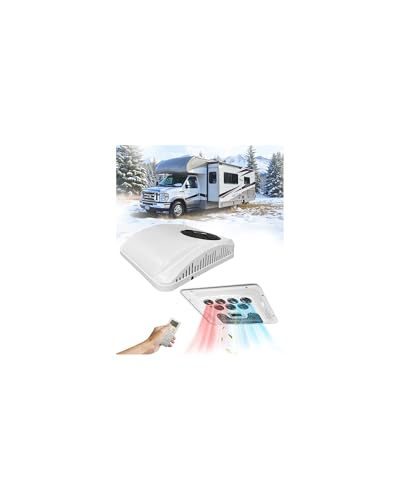
Treeligo offers a compact 7,900 BTU cooling capacity with a 3,000 BTU heating function, suitable for parking or smaller spaces. It is powered by a 12V DC scroll compressor, supporting off-grid operation by relying on the vehicle battery. Installation is designed to be straightforward for standard roof openings, with a focus on energy efficiency and reduced running costs.
Aspligo 12V RV Rooftop DC AC — 8,000 BTU

Aspligo provides 8,000 BTU of cooling in a compact rooftop unit with a 12V DC design. Features include a remote control for convenient temperature adjustments from the cab, and a compact footprint compatible with smaller van roof spaces. The unit emphasizes efficient cooling with a reasonable power draw and straightforward installation for RVs and campers.
Note: The listed products vary in BTU capacity, heat-pump availability, and power draw. When choosing, consider roof size, battery capacity, solar readiness, and whether you need heating support in addition to cooling.
Buying Guide
- Power source and battery capacity: For off-grid use, ensure your battery bank or solar setup can safely sustain the unit’s current draw. Higher BTU models typically demand more power.
- Heating options: If you need warmth in cooler seasons, choose models with integrated heat pumps or auxiliary heating. Verify that heating is not relied upon as the primary heat source in extreme conditions.
- Noise levels: Noise can impact sleep and productivity. Look for units advertised as ultra-quiet or with low dB ratings, particularly under 50 dB inside the cabin.
- Installation compatibility: Check roof opening size and roof thickness. Some units specify minimum/maximum dimensions to ensure a secure, weather-tight fit.
- Durability and weather resistance: UV-stabilized plastics, gasket quality, and condenser coatings extend life in harsh camping environments.
- Off-grid efficiency: Inverter designs and efficient compressors reduce energy consumption, extending battery life during parked periods or solar days.
- Maintenance access: Consider ease of cleaning filters and accessing refrigerant lines for long-term reliability.
- Warranty and support: A solid warranty and accessible customer support help address installation or operation questions over time.
These considerations help balance cooling needs with energy budgets, ensuring comfortable travel without compromising vehicle performance or safety.