Best Dash Cam Placement for Clear, Reliable Footage
Choosing the right placement for a dash cam can maximize evidence quality while minimizing glare, shadows, and obstruction. This guide highlights top dash cams and mounting accessories that help you place cameras for optimal coverage, whether you’re aiming to capture license plates, street signs, or unexpected incidents. The selections focus on front- and rear-camera setups, adhesive mounting options, and reliable mounts that work across common vehicle types.
| Product | Brand | Key Feature | Amazon Link |
|---|---|---|---|
| ROVE R2-4K DUAL Dash Cam | ROVE | 4K front, 1080P rear with STARVIS 2 sensor | Amazon |
| REDTIGER Dash Cam Front Rear | REDTIGER | 4K + 1080P dual recording with GPS | Amazon |
| 4Pcs Adhesive Sticky Pads for Dash Cam | volport | Heat resistant, easy to cut to fit | Amazon |
| 2.5K Car Dash Cam, VEEMENT | Veement | 2.5K front, 160° wide, WiFi/app control | Amazon |
| Sportway S504 Suction Cup Dash Cam Mount | Sportway | 360° rotation, compact, fits many cameras | Amazon |
ROVE R2-4K DUAL Dash Cam

The ROVE R2-4K DUAL Dash Cam offers a comprehensive front-and-rear recording setup designed to maximize placement options. The front camera records in 4K (3840x2160P) at 30fps, while the rear captures 1080P at 30fps, providing clear evidence from both directions. A wide 150° front and 140° rear field of view reduces blind spots around the vehicle, which is especially beneficial when mounting on the windshield to capture the road ahead while still recording the interior or rear. The Sony STARVIS 2 sensor enhances night performance, delivering brighter and more detailed footage in low light—a key advantage for nighttime driving or shaded streets. The device supports ultra-fast 5G WiFi and speeds up to 20 MB/s for quick downloads to a smartphone app, which is handy when you need to review footage after a trip or in the event of an incident. A parking mode is available for extended protection when the car is parked, clarifying the importance of choosing a sturdy, vibration-tolerant mount for front and rear placement.
REDTIGER Dash Cam Front Rear
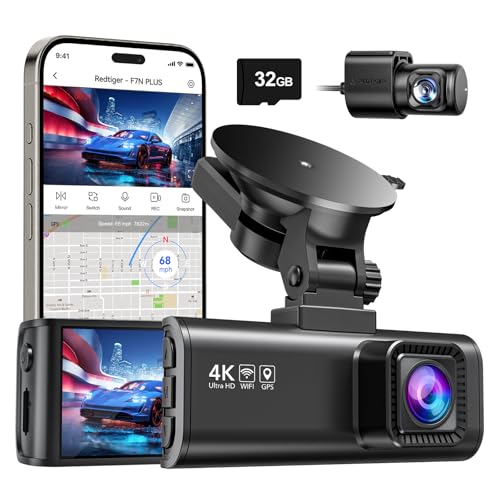
RedTiger’s dual-recording system combines a front 4K capture with a rear 1080P feed, designed to aid placement strategies that emphasize comprehensive coverage of the car’s surroundings. The 170° front and 140° rear angles help minimize blind spots, even when the camera is mounted slightly higher on the windshield to optimize the line of sight. Night vision is bolstered by a large F1.5 aperture and HDR/WDR processing, producing clearer images in low-light conditions. The built-in Wi-Fi and the Smartphone app enable straightforward viewing, playback, and sharing, which can influence how you position the camera for best view of critical details such as road signs or number plates. While setting up, consider a mounting position that keeps the glass clean and avoids direct sun glare on the lens for optimum performance.
4Pcs Adhesive Sticky Pads for Dash Cam

Adhesive pads are crucial for securing dash cams in positions where suction cups are less effective, such as glass with temperature fluctuations or curved windshields. The volport adhesive pads feature heat resistance up to 248 °F and weather endurance, ensuring a lasting bond in hot, humid climates or in vehicles with strong sun exposure. The pads are cuttable, allowing a custom fit for front or rear cameras, and are designed to retain adhesion even after trimming. For placement, consider using these pads on flat, clean glass areas near the upper center or edges of the windshield to keep the camera stable while preserving a clear, wide field of view. Always verify the pad size and surface compatibility before mounting your specific dash cam model.
VEEMENT 2.5K Dash Cam
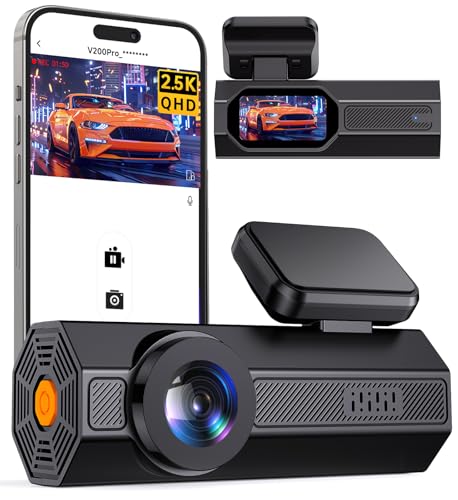
The VEEMENT V200Pro provides a 1.47” display and a 2.5K front camera with a 160° field of view, aimed at capturing precise details such as license plates and road signs. While placement considerations remain consistent—avoid direct sun glare, mount behind the rearview mirror line to minimize obstruction, and stay within reach for quick adjustments—the compact display can help simplify confirmation of framing from the driver’s seat. The camera supports Wi-Fi control through a dedicated app, enabling quick downloads and remote management. When placing this camera, ensure the power cable is guided to avoid distractions and that the lens remains unobstructed by dashboard elements.
Sportway S504 Suction Cup Mount

The Sportway S504 is designed to maximize placement flexibility with a compact footprint and four 360-degree joints. Its suction cup enables quick attachment to the windshield and easy repositioning without leaving marks. The mount’s versatility makes it suitable for a wide range of dash cams, including Apeman, Ssontong, Biuone, iZEEKER, and HaHoco models, among others. A secure, vibration-tolerant mount helps maintain stable footage and reduces the risk of camera shake during rough road conditions. For best results, place the camera behind the rearview mirror or within the upper windshield zone, where the field of view remains broad while keeping the camera out of the driver’s line of sight.
Buying Guide: Key Purchase Considerations
- Placement goals: Front-facing cams prioritize license-plate capture and traffic signals, while rear cameras enhance incident context. Consider a dual-camera setup for complete coverage.
- Field of view and lens quality: Wide angles reduce blind spots but can introduce distortion; balance angle with sensor quality (e.g., STARVIS 2, F1.5 apertures) for low-light clarity.
- Mounting method: Suction cups enable easy repositioning but may loosen over time; adhesive pads offer durability on hot days but require careful surface prep and trimming to fit.
- Wiring and power: Route cables along the headliner or pillars to minimize visibility and avoid interference with airbags or driving controls. Consider parking mode power consumption and accessory compatibility.
- Night performance: Look for cameras with large aperture, HDR/WDR, and high-sensitivity sensors to improve legibility of signs and plates in low light.
- Mobile integration: App support for viewing and downloading footage can reduce the need for direct device access and streamline incident sharing.
- Compatibility and accessories: Ensure mounting accessories fit your camera’s mounting base (suction, adhesive disc, or flat pad) and the dashboard’s texture and curvature.
Multi-Perspective Comparisons
- Front vs. dual-front-rear: Dual-channel setups provide better incident evidence but require more mounting and cable management. Consider whether your use case benefits from rear coverage in addition to front.
- Adhesive vs. suction mounting: Adhesives excel in heat resistance and stability but are less forgiving for repositioning. Suction mounts offer flexibility but may require re-tightening or reattachment over time.
- Image quality: Cameras with STARVIS sensors and wide aperture perform better at night, yet higher resolutions demand more storage and processing power. Plan for microSD capacity and data management.
- Parking mode payoff: A reliable parking mode protects during off-road times; ensure the mounting method and power setup support uninterrupted operation without overheating.
In practice, the best placement strategy combines a stable, glare-free windshield location for front cameras with an unobstructed rear area for the second camera. When using adhesive pads, ensure a clean, flat mounting surface and confirm compatibility with your dash cam’s base. For renters or frequent movers, a high-quality suction mount is advantageous, provided you monitor adhesive and maintain alignment during repositioning.