Best Inline Fuel Pump Options for Carburetors: Top 5 Reliable 12V Pumps
Choosing an inline fuel pump for carburetors requires balancing flow, pressure, and compatibility with common 12V systems. The following selections are widely used for gasoline engines, small tractors, lawn equipment, and marine applications where reliable low-pressure pumping is essential. Each option emphasizes compatibility with carburetors, compact design, and solid build quality to ensure consistent fuel delivery and optimal performance.
Summary of selected products:
| Product | Brand | Output Pressure | Flow Rate | |
|---|---|---|---|---|
| CarBole Universal Micro Electric Pump | CarBole | 5-9 PSI | 30 GPH | Universal fit; ISO-certified facility |
| Holley 12-427 Mighty Mite | Holley | 4-7 PSI | 32 GPH | Compact and proven in automotive uses |
| Megaflint Inline Fuel Pump | Megaflint | 5-9 PSI | 30 GPH | High-quality components; 12V |
| SOLLON Electric Fuel Pump | SOLLON | 2.5-4 PSI | 30 GPH | Low-pressure, versatile for many carb setups |
| AdvanEX Electric Fuel Pump | AdvanEX | 5-9 PSI | Noted in specs | 12V, carburetor-ready |
CarBole Universal Micro Electric Fuel Pump

The CarBole E8012S inline pump is a compact micro pump designed for universal applications. It operates at 12V with an output pressure range of 5-9 PSI and a flow rate of 30 GPH, making it suitable for many carbureted engines in gasoline and diesel systems. Its compatibility with multiple cross-reference parts (E8012S, FD0002, P60430, EP12S, 6414671) helps support aftermarket restoration and repairs. The pump is manufactured in ISO-certified facilities, which supports quality consistency for enthusiasts and professionals alike.
Key features include a compact footprint for tight engine bays and a straightforward two-wire setup that can be integrated into most 12V electrical systems. The 5-9 PSI range provides enough pressure for carburetor systems without causing excessive fuel pressure that could flood a float bowl. For best results, mount within a reasonable distance from the fuel tank to minimize suction losses and use appropriate inline filters to protect the carburetor jets.
Holley 12-427 Mighty Mite Electric Fuel Pump

The Holley 12-427 Mighty Mite is a compact 12V pump designed for small- to mid-size carbureted engines. It operates in the 4-7 PSI range and delivers about 32 GPH, providing reliable fuel delivery without over-pressurizing the carburetor. The Mighty Mite has a proven track record in performance vehicles and offers straightforward installation for enthusiasts upgrading from stock or rebuilding carbureted setups. Its compact form factor helps with tight engine bays commonly found in classic cars, motorcycles, and small boats.
Considerations for installation include ensuring a proper mounting surface to minimize vibration and noise, and using a compatible fuel hose with secure clamps. For carburetor applications, maintain the lower end of the pressure range to avoid flooding the float bowls. Electrical wiring should include a proper fuse and a relay if switching from a cockpit-mounted switch or a high-current circuit.
Megaflint Inline Fuel Pump
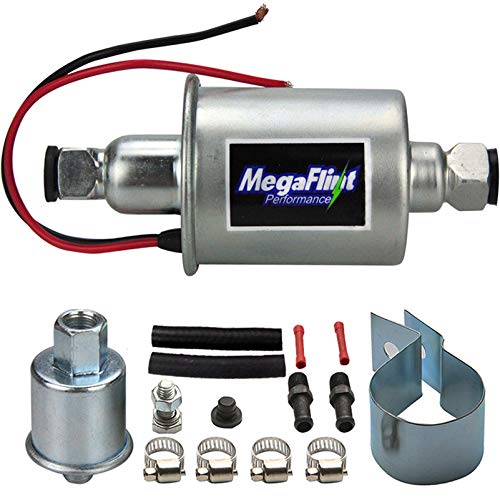
Megaflint offers an inline fuel pump with a 12V design and a 5-9 PSI output pressure, delivering 30 GPH. The pump references multiple cross-headers (E8012S, EP12S, FD0002, P60430, 6414671) and emphasizes mechanical testing to ensure reliable performance. A built-in copper coil from German manufacturing adds to durability, and the unit is designed for higher suction depth—up to 12 inches—supporting versatile mounting options. This pump suits carburetor-equipped engines in small cars, ATVs, or generators where consistent low-pressure fueling is needed.
When integrating, verify hose compatibility (5/16 inch ID) and ensure the system has adequate filtration to protect carburetor jets. The pump’s sturdy construction helps reduce maintenance and extends service life in environments with vibration or exposure to mild contaminants in the fuel line.
SOLLON Electric Fuel Pump 12V

The SOLLON 12V universal low-pressure inline pump is designed for carburetor systems, offering 2.5-4 PSI output at about 30 GPH. The two-wire design and lightweight construction support flexible installation, including use as a booster or standby unit and mounting virtually anywhere. The pump is compatible with a wide range of 12V cars, boats, lawn equipment, ATVs, and small generators, making it a versatile option for multi-vehicle owners or DIY enthusiasts working on trailers or generators.
Key considerations include ensuring correct wiring with a fuse, selecting appropriate hose sizes (5/16 inch I.D.), and maintaining an adequate fuel filter to prevent debris from reaching the carburetor. The lower pressure range helps maintain stable fuel levels without causing float bowl flooding in carbureted engines.
AdvanEX Electric Fuel Pump

The AdvanEX inline pump is another 12V option designed for low-pressure carburetor systems in a range of vehicles and machinery. With an output pressure of 5-9 PSI and a flow rate suitable for typical carburetor demands, it is positioned as a reliable choice for 12V engines found in cars, boats, lawnmowers, and small generators. The unit’s compatibility with OE references and a compact metal body adds to its appeal for retrofit projects where fitment and durability matter.
installation considerations include ensuring the pump is mounted so that fuel can reach the carburetor without excessive suction loss, using proper clamps and hoses, and protecting the electrical circuit with appropriate fusing and weatherproofing in exposed environments such as boats or outdoor equipment. It’s important to verify compatibility with specific carburetor jets and float bowl behavior before integration.
Buying Guide: Inline Pumps for Carburetors
When selecting an inline fuel pump for carburetors, consider these factors to ensure reliable performance and safety:
- Pressure and flow: Carburetors typically need low-pressure (2.5-9 PSI) pumps. Choose a pump whose pressure range matches the carburetor’s requirements and provides sufficient flow to prevent fuel starvation at higher RPMs.
- Voltage and wiring: Most pumps operate at 12V DC. Verify the vehicle or equipment’s electrical system and install proper fuses and relays to protect wiring from short circuits and heat buildup.
- Fuel compatibility: Ensure the pump materials are compatible with gasoline or diesel being used, and consider filters or debris protection to protect carburetor jets from contaminants.
- Mounting and proximity: Place the pump within a reasonable distance from the fuel tank to minimize suction loss. Consider vibration in engine bays and choose sturdy mounting to reduce noise and wear.
- Durability and certification: Pumps built in ISO-certified facilities or with tested components offer greater reliability. Look for pumps with durable housings and corrosion-resistant fittings for longevity.
- Cross-compatibility: Many inline pumps reference multiple part numbers. If you plan future part substitutions, verify cross-references to ensure continued compatibility with your carburetor model.
- Installation kit: Some options come with filters, hoses, and clamps. A complete kit reduces the number of extra parts you’ll need and can simplify installation.
- Maintenance: Regular inspection of hoses, clamps, and electrical connections helps prevent leaks or electrical faults that could compromise performance or safety.
In summary, for carburetor-based systems, low-pressure inline pumps in the 4-9 PSI range with 30 GPH or similar flow rates tend to provide the best balance of reliability, compatibility, and ease of installation. Always verify the pump’s specifications against your carburetor’s requirements and the engine’s operating conditions to avoid pressure mismatches or starvation under load.