Best Cold Air Intakes for WRX: Boost Power and Sound
Choosing a cold air intake for a Subaru WRX can influence power, torque, engine tone, and throttle response. This guide highlights five popular options that are well-regarded for WRX applications, outlining what makes each a strong choice. Whether you’re chasing horsepower, a more aggressive intake roar, or improved air delivery under boost, these selections cover a range of needs and tuning preferences.
| Product | Brand | Compatible WRX Years | Key Benefit |
|---|---|---|---|
| K&N Cold Air Intake System: 69-8004TTK | K&N | 2008-2014 WRX | |
| Mishimoto MMAI-WRX-15BP | Mishimoto | 2015+ WRX | |
| AEM 21-732C | AEM | General WRX/Impreza applications | |
| Mishimoto MMAI-WRX-22MWBK | Mishimoto | 2022+ WRX | |
| K&N 69-8011TTK | K&N | 2018-2019 WRX |
K&N Cold Air Intake System: 69-8004TTK

The K&N 69-8004TTK system is designed to deliver a less restrictive airflow path, increasing the intake of cool, oxygen-rich air into the engine. Dyno-tested horsepower and torque gains are highlighted, with an emphasis on a deeper engine growl during acceleration. The kit’s design aims to maintain a balance between performance enhancements and street usability, with straightforward installation for 2008-2014 WRX models.
Mishimoto MMAI-WRX-15BP Subaru WRX Performance Air Intake
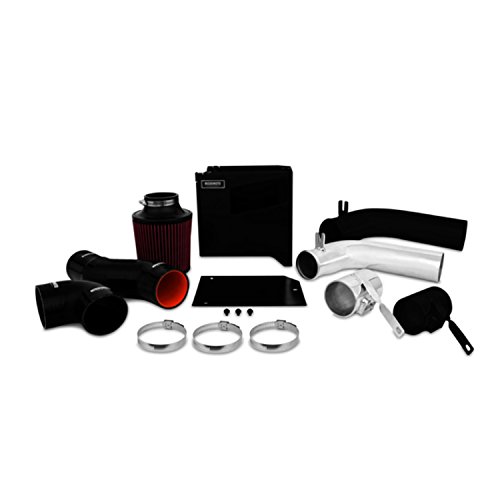
Mishimoto’s MMAI-WRX-15BP is tailored for the 2015+ WRX, presenting dyno-proven gains and a performance-oriented filtered air path. Reported gains include up to 33 whp and 30 wtq on stock tunes, with higher gains possible on more aggressive tunes. This kit emphasizes reliability, with airflow tuning that aligns with stock engine management for balanced performance improvements.
AEM 21-732C Cold Air Intake System

The AEM 21-732C cold air intake relocates the air filter outside the engine compartment, improving air delivery and reducing intake heat. The system is marketed with a life-long guarantee for the vehicle, emphasizing durability and ongoing performance. This option suits WRX owners seeking a straightforward setup that favors reduced intake temperatures and consistent power delivery across varying driving conditions.
Mishimoto MMAI-WRX-22MWBK Performance Cold Air Intake Kit

Designed for the 2022+ WRX, Mishimoto’s MMAI-WRX-22MWBK features a direct-fit installation with dyno-tested assurances for safe air/fuel ratios without requiring a tune. Expect measurable horsepower and torque gains within a stable air-fuel window, accompanied by a robust build that complements the newer WRX engine bay layout. This kit targets enthusiasts wanting reliable performance gains with minimal tuning adjustments.
K&N Cold Air Intake Kit: 69-8011TTK

The 69-8011TTK is engineered to increase horsepower and torque by providing a less restrictive airflow path for 2018-2019 WRX engines. In addition to power gains, users often notice an enhanced engine growl during acceleration while maintaining quiet operation at cruising speeds. The kit emphasizes a balance of performance and everyday drivability for newer WRX models.
Buying Guide
Key considerations when selecting a WRX cold air intake include compatibility, airflow characteristics, and the tuning approach you’re comfortable with. Dyno-tested claims can guide expectations, but real-world results vary with engine condition and supporting modifications.
- Compatibility: Ensure the chosen intake supports your WRX generation and regional emission requirements. Some kits are tuned for specific model years or engine variants, while others offer broader compatibility.
- Airflow and filtration: Look for high-flow air filters paired with ducts designed to minimize intake air temperature. A cooler, denser air charge can improve throttle response and power delivery.
- Dyno data and tuning: Dyno-proven gains are useful benchmarks, but consider whether a tune is recommended or required. Some systems perform well with stock tune, while others benefit from recalibration.
- Sound and drivability: Cold air intakes can alter engine tone. If you prioritize a pronounced growl, ensure the kit’s acoustics align with your preferences without introducing excessive noise at cruising speeds.
- Installation and maintenance: Check for fitment ease, hardware quality, and filter life. Reusable filters require cleaning and re-oiling; understand service intervals and part availability.
- Quality and warranty: Reputable brands offer robust durability and a warranty. A properly designed intake should withstand heat and vibration without compromising engine safety.
Comparative perspectives vary by model year and tuning approach. For older WRX generations, K&N systems have long been popular for their proven flow paths and filter longevity. For newer architectures, Mishimoto’s direct-fit designs emphasize compatibility with updated engine bays and tested power delivery. AEM provides a relocation strategy aimed at reducing intake temperatures, while multiple options from K&N emphasize a balance of growl and measurable gains. Evaluating your goals—peak horsepower, daily drivability, or a specific sound profile—will clarify the best fit.