Best Epoxy for Engine Block Repair: Top High‑Temp Formulas for Metal Repairs
When engine blocks develop cracks or porous passages, a reliable epoxy can be a crucial temporary or semi-permanent fix. This guide highlights five epoxy products that are suited for high-temperature environments, metal repairs, and durable bonding in demanding conditions. Each option offers specific strengths, from heat resistance to precision application, helping you choose the right epoxy for automotive or industrial needs.
Summary of chosen products:
- PRAZISCHUTZ Casting Repair Epoxy Kit
- Entek Mr. Blockhead Permanent Block and Radiator Sealer
- J-B Weld 8237 PlasticWeld Plastic Repair Epoxy Putty
- PC Products 72561 PC-Concrete Two-Part Epoxy Adhesive Paste
- PC Products PC-Concrete Epoxy Adhesive Paste for Anchoring and Crack Repair
PRAZISCHUTZ Casting Repair Epoxy Kit
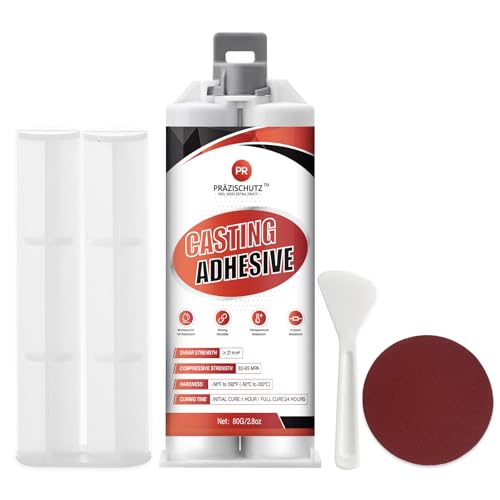
High-strength metal repair epoxy designed for sand holes and cracks in iron, steel, and aluminum surfaces. The kit emphasizes a strong bond for casting repairs and is formulated to resist heat and chemicals, making it suitable for engine components such as engine blocks or exhaust parts. The included dual-cartridge dispenser helps ensure a precise mix with minimal waste. This product is aimed at professional and DIY users seeking a durable, heat-resistant repair solution in metalworking environments.
Entek Mr. Blockhead Permanent Block and Radiator Sealer

This product is designed to seal engine leaks by repairing cracked blocks, blown head gaskets, and radiator-related failures. It is compatible with aluminum and iron engine blocks and is intended to provide a long-term seal for older engines. The sealer is positioned as a permanent, broad-spectrum fix for cooling and oil leaks, potentially reducing shop visits for head gasket failures and related issues. It is important to assess compatibility with your specific engine model and cooling system before use.
J-B Weld 8237 PlasticWeld Plastic Repair Epoxy Putty

Hand-mixable two-part epoxy putty designed for repairing and rebuilding plastics. While often marketed for plastic repairs, its versatility makes it a reasonable choice for temporary fixes on certain engine components or plastic coatings around engine bays. It cures to a rigid, off-white color, offering a 600 psi lap shear strength once fully cured. It tolerates high temperatures (up to 250°F continuously and 300°F intermittently) and is moldable for shaping, sanding, and drilling after curing. Consider this option when dealing with plastic engine parts or insulated components that require a quick, hand-mizable epoxy putty.
PC Products PC-Concrete Epoxy Adhesive Paste (Two-Part 102 oz)

Although labeled for concrete, this two-part epoxy paste demonstrates robust bonding and filler properties suitable for large repairs. The high-tack paste resists moisture, enabling vertical applications, and supports indoor and outdoor use within a broad temperature range. In engine-related applications, it may be used for metal-to-metal bonding, mounting brackets, or repairing non-critical housings where high strength and moisture resistance are required. Always verify compatibility with metal substrates and the specific repair scenario.
PC Products 72561 PC-Concrete Two-Part Epoxy Adhesive Paste for Anchoring
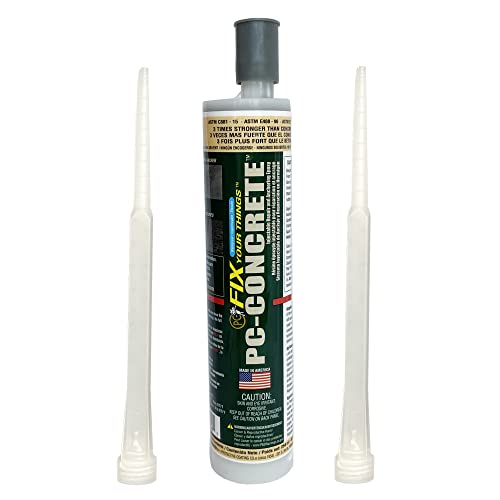
This two-part epoxy adhesive paste is designed to fill cracks and anchor threaded rods, bolts, and dowels into concrete and masonry surfaces. It features a high-tack consistency for damp environments and vertical applications, with a broad application range from 35 to 115 degrees Fahrenheit. The service temperature spans from -20 to +115 degrees Fahrenheit. It is suitable for durable repairs where mechanical anchoring is needed, though it is primarily marketed for concrete contexts. Engine-related use requires careful substrate assessment and testing.
Buying Guide
Key considerations when selecting epoxy for engine block repair include heat resistance, bond strength, substrate compatibility, curing time, and application method. Engine repairs demand materials that can withstand high temperatures, thermal cycling, and exposure to oil, coolant, and fuel. Here are different perspectives to guide your choice:
- High-temperature performance: For engine blocks and metal components, choose epoxies rated for continuous heat exposure and with proven durability under thermal cycling. Look for ingredients that resist automotive fluids and oxidization.
- Bond strength and flex life: Metal repairs benefit from epoxies with strong shear and tensile strengths. Some products offer structural bonding properties that resist vibration and movement common in running engines.
- Application method: Dual-cartridge syringe systems and putty sticks offer precise mixing and easy handling. Putty-style products are convenient for quick, moldable repairs on irregular surfaces, while paste kits suit larger gaps.
- Moisture and environmental tolerance: Engines and radiators operate in damp or humid conditions. Choose pastes with moisture resistance and the ability to cure reliably in varied climates or shop environments.
- Substrate compatibility: Aluminum, steel, cast iron, and certain plastics each respond differently to adhesives. Verify that the product is suitable for metal-to-metal repairs and for any non-metal interfaces involved in the repair.
When planning an engine-block repair, consult the product’s technical data sheet for cure time, temperature ratings, and substrate guidelines. In many cases, professional automotive repairs may benefit from professional-grade products and following manufacturer mixing instructions to maximize performance and safety.