Best Generators for 5th Wheel: Reliable Power on the Road and at the Campsite
Traveling with a 5th wheel demands dependable, RV-ready power that can handle air conditioning, appliances, and chargers without strain. This guide spotlights top generators that excel in RV setups, focusing on dual-fuel versatility, quiet operation, and robust runtime. Each option below includes a quick feature snapshot to help you compare at a glance and choose the right fit for your camping lifestyle.
| Product | Fuel Type | Max Watts | Key Benefit |
|---|---|---|---|
| WEN DF451i | Gas/Propane | 4500 surge / 3500 running | Ultra-quiet with auto fuel switch |
| WEN DF475T | Gas/Propane | 4750 surge / 3800 running | Easy 120V/240V transition, wheel kit |
| Generac GP9500 | Gas/Propane/Natural Gas | 12500 surge / 9500 running | Tri-fuel flexibility, electric start |
| WEN DF5600X | Gas/Propane | 5600 surge / 4500 running | CO watchdog, wheel kit |
| WEN TF1450X | Gas/Propane/Natural Gas | 14500 surge / 11500 running | Tri-fuel with transfer-switch compatibility |
WEN DF451i Super Quiet Dual Fuel Generator
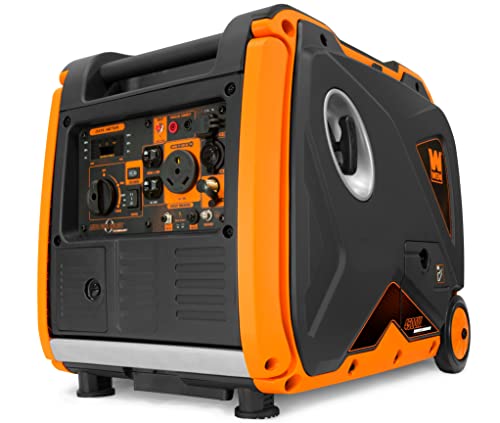
The WEN DF451i combines quiet operation with dual-fuel capability, allowing use of gasoline (4500 surge watts, 3500 running watts) or propane (4500 surge watts, 3150 running watts). Auto Fuel Selection Technology switches from propane to gasoline automatically for extended run times. Its 212cc engine is designed for low noise, delivering 58 dBA at quarter load from a distance of about 22 feet, which makes it suitable for campsite use near an RV without overwhelming conversations.
WEN DF475T Dual Fuel Portable Generator

This model provides strong backing for RV households with a simple switch between gasoline (4750 surge / 3800 running) and propane (4350 surge / 3500 running). It supports 120V and 240V outputs, aligning well with transfer switches and emergency backup needs. The 224cc four-stroke OHV engine starts reliably with an electric key, giving quick access to power for air conditioning units and lights during trips.
Generac GP9500 Tri-Fuel Portable Generator

Generac’s GP9500 uses gasoline, propane, or natural gas to deliver reliable power with electric start for effortless operation. It features durable protection with covered outlets to guard against harsh environments and lengthy runtimes thanks to a robust OHV engine and a large fuel tank with a fuel gauge. It’s designed to support RVs during outages or on job sites where continuous power is essential, with a focus on user-friendly startup and consistent performance.
WEN DF5600X 5,600-Watt Dual Fuel Generator

The DF5600X offers dual-fuel versatility with 5600 surge watts and 4500 running watts on gasoline, plus propane options for extended runtime. Electric start makes it simple to power on, and the CO Watchdog sensor adds safety by monitoring carbon monoxide levels. The wheel kit simplifies transport to and from the campsite, and its output range is well-suited for mid-size RVs seeking a reliable power source for solar setups and essential appliances.
WEN TF1450X 14,500-Watt Tri-Fuel Generator

The TF1450X stands out with its high-capacity tri-fuel capability, switching among gasoline (14500 surge / 11500 running), propane (12500 surge / 10300 running), and natural gas (10500 surge / 8750 running). It operates on 120V and 240V and is designed for transfer-switch compatibility and emergency backup. The integrated CO shutdown sensor helps ensure safe operation in enclosed spaces, and the unit is well-suited for heavy-duty RV use or as a home backup power source for larger rigs.
Buying a generator for a 5th wheel involves balancing power needs, fuel availability, and noise constraints. The following buying guide highlights key considerations to compare across models and ensure you select a unit that delivers dependable power wherever your travels take you.
Buying Guide: Key Considerations For 5th Wheel Generators
- Power needs and profiles: List essential devices (air conditioning, fridge, heater, water heater, charging) and estimate startup vs running watts. Choose a model with enough surge watts to handle startup loads without tripping or stalling.
- Fuel type and availability: Dual-fuel generators provide flexibility when gasoline or propane is more accessible. Consider propane storage options at campsites and fuel availability during trips.
- RV-ready features: Look for RV outlets (TT-30R), 120V/240V capability, transfer-switch compatibility, and electric start for easy operation after long drives or outages.
- Quiet operation: Noise level matters for peaceful camping. Models around 58 dBA or lower at a typical operating distance are preferable for social areas and neighboring campers.
- Runtime and tank size: Larger tanks and efficient engines extend runtimes, reducing refueling frequency during extended trips. Consider expected load and desired runtime at 50% load as a baseline.
- Safety features: CO sensors with automatic shutdown, low-oil shutdown, and proper overload protection help protect both the generator and your RV’s electrical system.
- Portability and maintenance: Wheel kits, handles, and straightforward service access improve transport and upkeep. Regular maintenance schedules extend engine life and reliability.
- Warranty and support: Check warranty length and the availability of replacement parts and local service options to minimize downtime on the road.
In summary, the right generator for a 5th wheel blends dual-fuel flexibility, adequate wattage for peak loads, quiet operation, and RV-friendly features that simplify camping life. The selections above provide a range of capacities and fuel options to fit various tow-vehicle setups, camp sizes, and power requirements while staying mindful of safety and ease of use.