Best Marine Paint for Metal: Top Picks for Durable Above-Waterline Finishes
Choosing the right marine paint for metal surfaces can extend your boat’s life and reduce maintenance. This guide highlights five reliable options that perform well above the waterline, offering corrosion resistance, durability, and a good finish on metal, as well as other common substrates. Each pick includes practical details to help you compare at a glance.
| Product | Brand | Surface Suitability | Finish Type | Key Benefit |
|---|---|---|---|---|
| Rust-Oleum 206999 Marine Topside Enamel Paint | Rust-Oleum | Metal, fiberglass, wood above waterline | Gloss | Flexible oil-based formula with fast dry |
| Quicksilver 802878Q1 Phantom Black Spray Paint | Quicksilver | Metal and above-waterline surfaces | Gloss enamel (spray) | Excellent color match for Mercury outboards and drives |
| Rust-Oleum 207016 Marine Metal Primer | Rust-Oleum | Metal above waterline | Primer | Improved adhesion for topcoats and longer-lasting finishes |
| Rust-Oleum 207006 Marine Topside Paint | Rust-Oleum | Fiberglass, wood or metal above waterline | Gloss | Flexible oil-based formula with easy leveling |
| SENVEN Boat Paint 35 Oz Gloss White | SENVEN | Marine boat surfaces including metal | Gloss enamel | All-in-one high-gloss marine coating for topside and bottom |
Rust-Oleum Marine Topside Enamel Paint, Gloss White

Rust-Oleum’s Marine Topside Enamel is formulated for surfaces above the waterline, including metal. The oil-based finish remains flexible, promotes smooth leveling, and dries to touch in 1–2 hours. Coverage reaches up to 100 sq ft, making it a practical option for boat hulls, rails, and other exposed metal components.
Key considerations: suitable for fiberglass, wood, and metal; oil-based formula for enhanced leveling; fast-drying for quick project turnaround. Application on bare or previously painted metal should be followed by proper surface prep to ensure adhesion and corrosion resistance.
Quicksilver Phantom Black Gloss Enamel Spray Paint
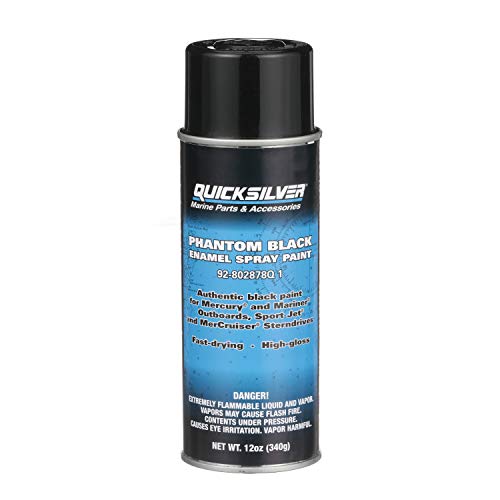
This spray enamel offers a Phantom Black finish designed to match Mercury outboards and MerCruiser drives. The 12 oz can provides convenient spray coverage for metal surfaces and components where a uniform, high-gloss black appearance is desired. It is manufactured to align with original equipment performance standards for marine engines and drives.
Considerations: ideal for detailed work or resurfacing engine components; spray application can minimize brush marks on curved or complex shapes; ensure ventilation and protection for surrounding areas during use.
Rust-Oleum Marine Metal Primer, White

Marine Metal Primer is designed to prime metal surfaces above the waterline, creating a solid base for topcoats and improving adhesion. It dries to the touch in 1–2 hours and covers about 100 sq ft, making it a practical first coat for rust-prone metal substrates on boats and other marine equipment.
Considerations: use as a base coat to maximize topcoat longevity; follow with the appropriate topcoat for best corrosion resistance; allow proper curing between coats for optimal performance.
Rust-Oleum Marine Topside Paint, Black

This Marine Topside Paint in black provides a flexible, oil-based finish suitable for metal surfaces above the waterline. It is designed for easy leveling and quick drying, with a touch-dry time of 1–2 hours and coverage up to 100 sq ft. A solid choice for metal components like rails, trim, and hardware subjected to marine exposure.
Considerations: color choice can help with heat reflection and visibility; compatible with metal as well as fiberglass and wood substrates; ensure adequate ventilation and surface prep for best results.
SENVEN Boat Paint, 35 Oz Gloss White

SENVEN All-In-One Boat Paint provides a glossy marine finish intended for topside, bottom, and waterline applications on boats. It adheres to metal, fiberglass, wood, and previously painted surfaces, delivering a high-gloss, durable coating designed for boats, docks, and marine equipment. It’s not recommended for continuous submersion on boat bottoms that remain in water longer than 72 hours.
Considerations: versatile for multiple substrates; offers abrasion-resistant polyurethane-like performance; ideal for canoes, pontoon boats, and various marine platforms; follow cure and ventilation guidelines for best results.
Buying Guide: Key Considerations When Selecting Marine Paint For Metal
- Substrate and exposure: For metals above the waterline, ensure the coating is formulated to resist corrosion, moisture, and salt exposure. Primers help with adhesion on bare metal.
- Finish and appearance: Gloss finishes provide a smooth, reflective surface and ease of cleaning, but consider color and heat considerations when selecting a shade for visibility and maintenance.
- Oil-based vs water-based: Oil-based marine paints often offer superior leveling and durability but require longer drying times and ventilation. Water-based options may reduce odor and cleanup effort but can be less flexible on certain metals.
- Application method: Brushes, rollers, and spray cans each have pros and cons. For complex shapes on deck hardware or rails, spray finishes can reduce brush marks; larger flat surfaces may benefit from roll-and-tip techniques.
- Topcoat adhesion: If using a primer, verify that the topcoat is compatible to ensure a lasting bond and prevent chipping or peeling in marine conditions.
- Cure time and recoating windows: Plan around the recommended recoat windows, surface dry times, and humidity levels to avoid sags, fisheyes, or improper curing.
- Not for continuous submersion: Some marine paints are not designed for prolonged immersion. For hull bottoms or areas regularly submerged, select products explicitly rated for underwater use.
- Maintenance and reapplication: Consider products that are easy to clean and resist staining or abrasion, especially on decks or high-traffic areas.
- Environmental and safety: Follow local regulations for paint usage and disposal. Use protective gear and proper ventilation during application and curing.