Best Wifi for Travel Trailer: Reliable Portable Solutions for Seamless Connectivity
Traveling with a camper or RV demands dependable internet on the road. The right wifi solution blends portability, ease of setup, and solid performance for streaming, work, and navigation while you’re off the grid. The following selections highlight top-rated travel routers and backup cameras that pair well with travel trailers, fifth wheels, and motorhomes. Each option focuses on connectivity in mobile environments, compatibility with common devices, and simple installation. Explore five strong picks and a buying guide to help you compare features side by side.
Summary of chosen products:
- EWAY WiFi Magnetic Hitch Wireless Backup Camera
- TP-Link BE3600 Wi-Fi 7 Portable Travel Router TL-WR3602BE
- GL.iNet GL-SFT1200 (Opal) Portable WiFi Travel Router
- TP-Link Dual-Band Wi-Fi 6 AX3000 Travel Router TL-WR3002X
- GlobLinker Cloud Portable WiFi Hotspot for Travel
Product Overview and Buying Considerations
When choosing a wifi solution for a travel trailer, it’s important to balance portability, ease of use, range, and compatibility. For backup-camera enabled setups, consider whether a wireless camera needs independent power or can piggyback off the trailer’s power. For router-based options, examine supported modes (Router, Hotspot, AP/RE), number of ports, and Wi‑Fi standards (Wi‑Fi 6/7 vs. older protocols). Real-world use matters too: the ability to connect multiple devices, interference from RV parks, and the reliability of a battery-powered camera vs. a plugged-in model. The selected products cover a mix of portable routers and wireless backup cameras designed for trailers and RVs.
1) EWAY WiFi Magnetic Hitch Wireless Backup Camera
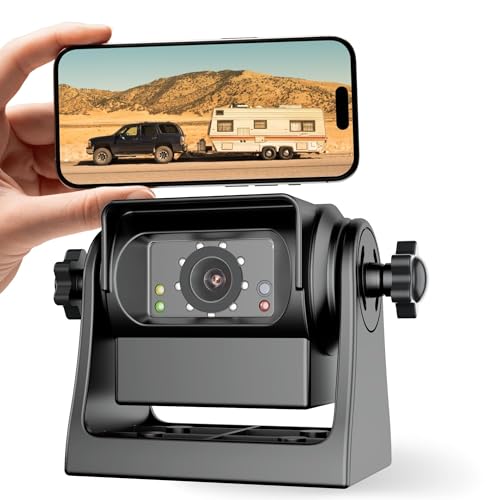
Product highlights include a magnetic backup camera that attaches to flat metal surfaces on hitches and trailers, offering real-time video via Wi-Fi on iPhone or Android devices. It features a built-in rechargeable battery, ensuring portable operation without external power. The system supports iOS 12+ and Android 7+ but notes some compatibility caveats with specific brands. Troubleshooting guidance covers Local Network access, VPN considerations, and proximity for stable streaming. The patent-protected design handles vibrations from heavy equipment such as tractors and RVs, enabling safer hitching and reversing in varied environments.
Key features in brief: built-in battery; Wi-Fi transmission to mobile devices; magnetic mounting for flexible placement; compatibility notes for iOS/Android; robust against heavy vibrations.
2) TP-Link BE3600 Wi-Fi 7 Portable Travel Router TL-WR3602BE

This model showcases Wi-Fi 7 speeds and a versatile multi-mode approach for travel scenarios. It supports Router Mode (Ethernet/USB tethering), Hotspot Mode for public Wi-Fi, and AP/RE Mode to extend or bridge networks. It features multiple gigabit ports (including a 2.5 Gbps WAN/LAN) to support fast wired and wireless connections. Note that it does not support the 6 GHz band, but it excels in high-capacity, flexible deployments at hotels, campgrounds, or on cruises. The device is designed to handle many devices concurrently, improving streaming, downloads, and productivity while traveling.
Ideal use cases: extending public Wi-Fi for longer sessions; secure access to hotel networks; combining wired and wireless devices into a single network with strong throughput.
3) GL.iNet GL-SFT1200 (Opal) Portable WiFi Travel Router
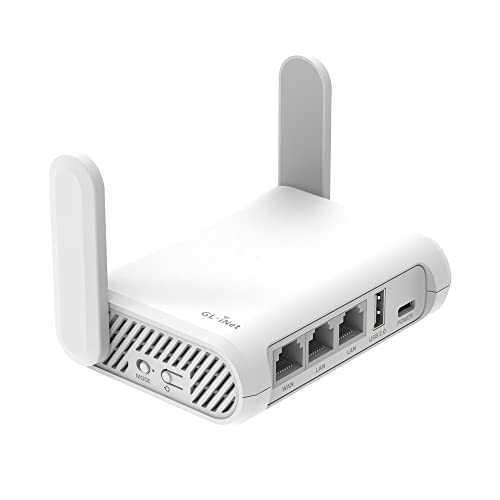
The GL-SFT1200 Opal is a compact, OpenWrt-based travel router designed for flexible network setups in RVs and on-the-go work stations. It supports dual-band wireless up to 300 Mbps on 2.4 GHz and 867 Mbps on 5 GHz, with emphasis on easy setup and multiple modes. It is marketed as pocket-friendly and is backed by easy-to-follow setup guidance, making it suitable for travelers who want a straightforward, customizable network experience on the road. It also supports OpenWrt, which can appeal to more technical users who want advanced networking features.
Features to note: dual-band WAN compatibility; multiple modes for connectivity expansion; portable design; user-friendly setup with available guides.
4) TP-Link Dual-Band Wi-Fi 6 AX3000 Travel Router TL-WR3002X

TP-Link’s AX3000 travel router brings Wi‑Fi 6 performance into a compact form factor suitable for road use. It provides up to 2402 Mbps on 5 GHz and 574 Mbps on 2.4 GHz, delivering strong throughput for streaming and downloads across multiple devices. The router supports Router, Hotspot, and AP/RE modes, along with multi- gigabit connectivity including WAN/LAN options, enabling easy integration with wired networks or public Wi-Fi. The product is designed for hotel, cruise, and RV environments, providing flexible sharing and secure access to networks while traveling.
Key takeaway: fast Wi‑Fi 6 performance, flexible modes, and multiple wired/wireless options for a variety of travel scenarios.
5) GlobLinker Cloud Portable WiFi Hotspot for Travel

This GlobLinker portable hotspot emphasizes a cloud-based approach to mobile internet in 130+ countries, with no SIM or subscription required. It automatically connects to the strongest available network via CloudSIM technology and includes a lifetime warranty with 10 GB of USA data as a promotional bonus. This device is ideal for travelers who want a plug-and-play solution that avoids ongoing service contracts, making it a strong option for light-to-moderate internet needs on the road.
Considerations: coverage across travel destinations, data limits, and ease of activation. It provides a straightforward path to reliable mobile internet where local networks are available, making it a compelling option for shorter trips or backup connectivity.
Buying Guide
- Connectivity type: Decide between a dedicated travel router (in-camera support, public Wi-Fi sharing, and AP/RE modes) or a wireless backup camera kit with its own network. For many travelers, combining a router with a backup camera yields a robust control setup for hitching and online activities.
- Modes and flexibility: Look for routers offering Router, Hotspot, and AP/RE modes to accommodate different sites and networks. Multi-port WAN/LAN support adds wired flexibility for devices that don’t have wireless capability.
- Wi‑Fi standards and speed: Wi‑Fi 6 and Wi‑Fi 7 deliver higher throughputs and better performance in crowded RV parks. If your budget is limited, prioritize models with strong 5 GHz performance for streaming and video calls.
- Portability and power: Battery-powered backup cameras are great for short-term setups or when power access is limited. For longer trips, consider those with low power consumption or easy external charging options.
- Compatibility: Ensure the router supports your devices (phones, tablets, laptops) and that backup cameras are compatible with your preferred mobile OS. Note any noted constraints or device-specific caveats.
- Security and privacy: Favor routers with up-to-date encryption (WPA3 where available) and features like VPN support to protect your on-road browsing. Public Wi-Fi sharing should be used with caution and secured connections.
- Reliability under motion: If using a backup camera, magnetic mounts and vibration resistance are important to maintain a stable image on bumpy roads. Battery life and charging options influence how often you need to stop for power.
- Support and updates: Check whether the vendor offers regular firmware updates and customer support, which helps in long-term reliability on frequent road trips.