Best RV Boondocking Generators for Off-Grid Power and Quiet Operation
Powering an RV off-grid requires a balance of reliability, fuel efficiency, and quiet operation. This guide highlights five top generators well-suited for boondocking, focusing on inverter technology, noise levels, and ease of use. Each selection comes from reputable brands and is compatible with RV electrical needs, electronics, and appliances. Learn how these models compare in features such as runtimes, fuel options, and surge wattage so you can choose a portable solution that preserves your peace and keeps your gear running when you’re off the beaten path.
| Product | Key Benefit | Type |
|---|---|---|
| WEN 4800-Watt Portable Inverter Generator (56477i) | RV-ready, clean power for sensitive electronics | Inverter |
| WEN 3600-Watt Portable Inverter Generator (56360i) | Ultra-light for easy transport | Inverter |
| Jackery HomePower 3000 | Integrated batteries with solar options and UPS | Solar Generator / Power Station |
| Generac GP9500 / 12,500/9,500-Watt Tri-Fuel | Long runtime, versatile fuel options | Conventional Portable |
| WEN DF451i Dual Fuel 4500-Watt | Dual fuel flexibility, quiet operation | Inverter |
WEN 4800-Watt Portable Inverter Generator

The WEN 4800-Watt model delivers up to 4800 surge watts and 4000 rated watts from a compact 224cc engine. It provides clean energy suitable for smartphones, tablets, and laptops, protecting sensitive electronics during boondocking. A 1.9-gallon tank supports up to seven hours of run time at half load, helping you stay off-grid without frequent refueling. Built for RV use, this unit emphasizes portability and reliability for camp setups where quiet operation and fuel efficiency matter.
WEN 3600-Watt Portable Inverter Generator

This lighter WEN model provides up to 3600 surge watts and 2900 rated watts, while ensuring clean power for electronics. Its ultralight design weighs about 46 pounds, making it easier to navigate campsites and storage in an RV. The compact footprint makes it a practical choice for RVers who prioritize mobility without sacrificing enough power for essential appliances during boondocking trips.
Jackery HomePower 3000 Portable Power Station

The Jackery HomePower 3000 offers a robust 3600W output (7200W surge) and 3072Wh capacity, serving as a strong home backup for refrigerators, WiFi, lights, and essential devices during outages. It includes two 200W solar panels and supports up to a 30% residential clean energy tax credit in some programs. Its UL-certified UPS switches in ≤20ms, ensuring important devices sustain power with minimal interruption, making it valuable for RVs relying on consistent power during long boondocking spans.
Generac 12,500/9,500-Watt Tri-Fuel Portable Generator

This Generac unit offers extensive runtime with a large fuel tank and a flexible fuel approach (gasoline, propane, or natural gas). The GP9500 family emphasizes protection with covered outlets to guard against outdoor conditions, making it a strong choice for longer boondocking stays where reliability matters. It’s ideal for RVers who need substantial power for multiple appliances and tools while off-grid.
WEN DF451i Dual Fuel 4500-Watt
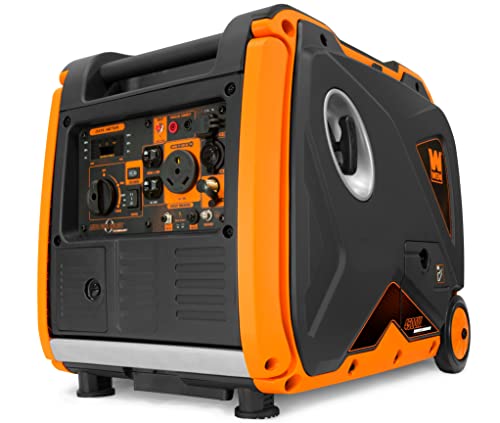
This dual-fuel unit runs on gasoline (4500 surge watts, 3500 rated watts) or propane (4500 surge watts, 3150 rated watts). Its Auto Fuel Selection automatically switches between fuels for longer run times, and it’s EPA III/CARB compliant with a 212cc engine. The unit’s quiet operation is suitable for campground and remote sites where noise can be a concern, making it a versatile option for RV boondocking setups.
Buying Guide: Key Purchase Considerations
Power needs: Estimate total wattage for essential appliances (refrigerator, lights, water pump, and electronics) and add a margin for surge requirements. Inverter generators typically provide cleaner power for sensitive devices, which is advantageous for RV electronics.
Fuel options: Decide between gasoline, propane, natural gas, or a battery-based solar setup. Dual-fuel models offer flexibility when fuel availability is uncertain on remote trips. Solar-powered options like power stations reduce ongoing fuel reliance but may have higher upfront costs and storage needs.
Runtime and efficiency: Look at rated runtime at half-load or 50% load to gauge how long you can operate between refuels. Larger tanks and efficient engines extend off-grid periods but increase weight and size.
Noise and portability: For boondocking, a quieter generator improves campsite compatibility and comfort. Weight and handle design influence how easily you can transport and store the unit in an RV original space.
Safety features: CO detectors, automatic shutoffs, and robust protective housings improve safety in camping environments. EPA III/CARB compliance ensures adherence to emissions standards where required.
Durability and warranty: Outdoor use requires rugged build quality and accessible service options. A solid warranty and readily available replacement parts are important for long-term reliability on the road.
Upside of power management: For those who want near-continuous power with less fuel management, consider a solar generator with battery storage and optional expansion panels. For heavy power users, a larger traditional generator may be warranted, but with higher noise and weight considerations.