Best Car Air Filters for Clean Cabin and Engine Performance
Selecting the right air filter can protect your vehicle’s interior and engine while maintaining optimal airflow. This guide highlights top car air filter options that balance filtration efficiency, longevity, and value. Each product below includes a quick overview of its key features to help you compare efficiently and choose the best match for your vehicle and driving conditions.
| Product | Brand | Type | Notes |
|---|---|---|---|
| Puroma 1 Pack Cabin Air Filter with Activated Carbon | Puroma | Cabin | Activated carbon for odor control; compatible with many Honda and Acura models |
| Spearhead MPG Defense Max Thrust Engine Air Filter | SPEARHEAD | Engine | Hex-D pleat design; aims to improve airflow and MPG |
| BOSCH 6091C HEPA Cabin Air Filter | Bosch Automotive | Cabin | HEPA filtration, high efficiency, supports clean interior air |
| Puroma Cabin Air Filter with Activated Carbon (CP134) | Puroma | Cabin | Activated carbon filter with odor control |
| BOSCH 6055C HEPA Cabin Air Filter | Bosch | Cabin | HEPA filtration with dense media for high trapping capacity |
Puroma 1 Pack Cabin Air Filter With Activated Carbon

Puroma’s cabin air filter combines soda woven fabric with activated carbon to capture odors and contaminants, delivering cleaner air for drivers and passengers. The close-meshed, non-woven filter layer protects the vehicle’s interior and supports efficient HVAC performance. It is recommended to replace the cabin air filter annually or every 12,000 miles, with more frequent changes in heavily polluted or dirty-road environments.
The filter’s activated carbon helps neutralize odors from cooking, fumes, and vehicular pollutants. For optimal performance, ensure the filter matches your specific model’s CP182, CF11182, or related Honda/Acura configurations. Regular replacement helps maintain airflow and HVAC efficiency, contributing to a more comfortable cabin environment.
Spearhead MPG Defense Max Thrust Engine Air Filter

This engine air filter targets performance and efficiency. The Hex-D pleat design creates maximum holding capacity for dirt while preserving airflow, helping engines breathe easier. The filter claims increased power and mileage up to 15K miles, addressing common concerns about power loss and reduced fuel economy in older or high-mileage vehicles. It emphasizes a multi-layer media approach to trap dirt without sacrificing air intake speed, supporting engine health and responsiveness.
BOSCH 6091C HEPA Cabin Air Filter
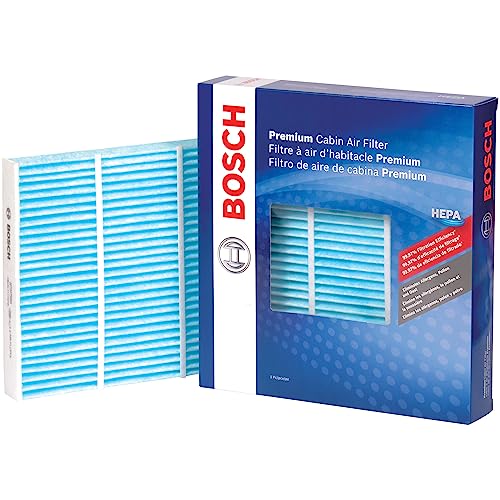
Bosch HEPA Premium Cabin Air Filters meet HEPA standards and provide high filtration efficiency at 0.3 microns. The filter uses a melt-blown electrostatic layer, a dense media combination, and an additional static cotton layer, delivering strong trapping capacity. This design aims to protect occupants by reducing trap-worthy particulates and ensuring a cleaner cabin air experience. Regular replacement supports consistent HVAC performance and interior air quality.
Puroma Cabin Air Filter With Activated Carbon (CP134)

This Puroma filter for CP134 focuses on odor control with activated carbon and a close-meshed filtration layer to prevent particulates from entering the cabin. The design supports HVAC efficiency and high airflow, ensuring comfort throughout travel. Like other cabin filters, replacement intervals are advised—roughly yearly or every 12,000 miles, with more frequent changes in dusty or polluted environments.
BOSCH 6055C HEPA Cabin Air Filter
The Bosch 6055C HEPA cabin filter uses HEPA-grade media designed to trap 99.97% of particulates at 0.3 microns. The filter’s dense media and static cotton layer enhance particulate retention capacity, contributing to a noticeably cleaner interior air environment. It’s suited for drivers seeking strong filtration to mitigate pollen, dust, and fine aerosols, particularly during allergy seasons or in high-traffic areas.
Buying Guide: Key Purchase Considerations
When choosing air filters for your car, consider the following aspects to ensure you select the best option for your needs:
- Filter Type: Cabin vs Engine. Cabin filters improve interior air quality, while engine filters protect the engine by preventing debris from entering the intake system. Some products combine both protective features in one filter kit, but most are specialized.
- Filtration Technology: HEPA vs standard. HEPA-rated cabin filters provide higher particulate capture, including fine dust and pollen, which is beneficial for sensitive occupants. Engine filters focus on maximizing airflow while capturing dirt to protect engine wear.
- Activated Carbon: Odor control. Filters with activated carbon can reduce odors from pollution, cooking, and smoke, contributing to a fresher cabin environment.
- Fitment Compatibility: Vehicle make and model. Verify model-specific compatibility (CP182/CF11182, CP134, CP285, etc.) to ensure a proper seal and effective filtration.
- Replacement Interval: Maintenance schedule. Most cabin filters are recommended for replacement every 12,000 miles or annually, with more frequent changes in dusty or high-pollution areas. Engine filters vary by driving conditions and mileage; follow manufacturer guidelines.
- Airflow Impact: Pleat design and media quality. A higher holding capacity with maintained airflow helps HVAC performance and engine efficiency, especially in older or high-mileage vehicles.
- Durability and Longevity: Look for multi-layer media and quality bonding. A well-constructed filter resists collapse and maintains filtration performance over its service life.
- Price vs. Value: Balance cost with filtration performance and replacement frequency. Higher filtration efficiency can justify longer intervals if it aligns with your driving environment.
In summary, cabin filters with activated carbon are effective for odor reduction, while HEPA cabin filters maximize interior air quality. Engine air filters prioritize protecting the engine with strong filtration and airflow. When choosing, align the filter with your vehicle, climate, and how often you drive in dusty or polluted conditions.