Best All Mountain Tire Guide: Top Picks for Trail and All‑Terrain Riding
Choosing the right all mountain tire can dramatically improve grip, stability, and confidence on diverse trails. This guide highlights five strong options that balance traction, durability, and ride quality for American riders tackling rocky descents, loose dirt, and winding switchbacks. Each entry includes a quick snapshot and key features to help you compare at a glance.
Summary of selected products:
| Product | Brand | Wheel Size | Width | Notable Features |
|---|---|---|---|---|
| Schwinn Replacement Bike Tire, 29 x 2.25 | Schwinn | 29″ | 2.25″ | Kevlar puncture guard, aggressive tread |
| Continental Cross King ShieldWall MTB Tire – 29 x 2.2 | Continental | 29″ | 2.2″ | Puncture protection, Tubeless Ready |
| Hapleby 2PCS Folding Bike Tires 26×1.95 | Hapleby | 26″ | 1.95″ | 60 TPI, puncture-resistant, good all-around grip |
| Schwinn Replacement Bike Tire, 26″ x 1.95″ | Schwinn | 26″ | 1.95″ | Wide knobs, steel bead, good traction |
| WTB Velociraptor Front Tire (26″ x 2.1″) | WTB | 26″ | 2.1″ | Front-specific, excellent mud-shedding, rugged grip |
Schwinn Replacement Bike Tire, 29 x 2.25

The Schwinn 29 x 2.25 inch mountain bike tire is built for rugged all‑terrain riding. It features a robust puncture guard with Kevlar reinforcement and a durable steel bead, designed to withstand rough trails and provide dependable performance season after season. The wide tread knobs deliver solid traction on loose surfaces and rockier sections, helping riders stay in control when the trail turns technical.
Continental Cross King ShieldWall Mountain Tire – 29 x 2.2

The Continental Cross King ShieldWall tire combines a versatile rolling profile with high puncture protection. Its Tubeless Ready‑enabled casing supports low‑pressure traction for rough trails, while the aggressive yet efficient tread offers dependable grip on varied surfaces, including loose dirt and rocky sections. This tire is a popular choice for riders who want reliable performance on multi‑terrain routes.
Hapleby 2PCS Folding Bike Tires 26×1.95

These Hapleby folding tires are designed for versatility on 26″ wheels. With a 60 TPI construction and nylon cord tech, they strike a balance between puncture resistance and durability. The tread pattern provides solid traction on packed dirt and pavement, making them a practical option for riders who encounter a mix of trails and urban sections on mountain routes.
Schwinn Replacement Bike Tire, 26″ x 1.95″
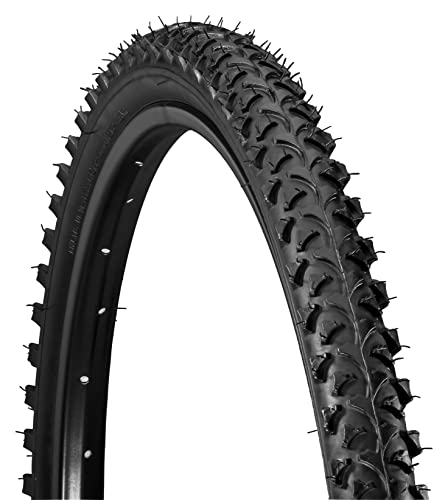
The Schwinn 26 x 1.95 inch tire is designed to fit a wide range of 26″ wheels and internal rim widths from 19mm to 29mm. It features a high‑traction tread with wide, blocky knobs that excel in loose dirt, gravel, and rocky terrain. A steel bead construction adds durability for daily trail rides and mixed‑surface commutes.
WTB Velociraptor Front Tire (26″ x 2.1″)
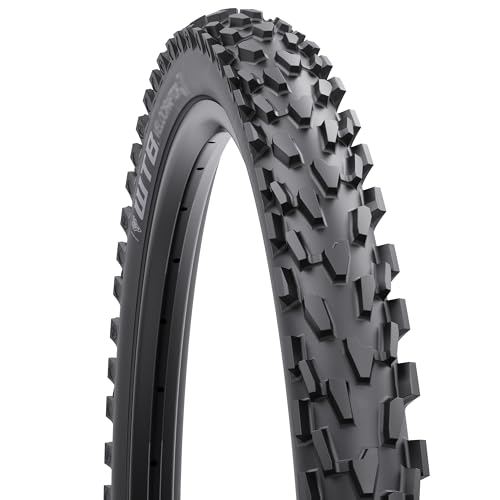
Designed specifically for front‑wheel performance, the WTB Velociraptor 26 x 2.1 tire features a front‑oriented tread pattern with pointed knobs for slicing through challenging trails. It delivers exceptional grip on cornering, mud shedding, and rocky surfaces, making it a strong front tire choice for aggressive all‑mountain setups where steering precision is essential.
Buying Guide: Key Considerations for All Mountain Tires
- Wheel size and tire width: Ensure compatibility with your frame and rims. Wider tires (2.0–2.2 inches and up) offer more grip but add rolling resistance and weight.
- Tread pattern and terrain: Aggressive knobs excel in loose dirt, mud, and rocky sections, while firm‑grip patterns suit hardpack and cross‑country sections. Consider a dual‑purpose tread for mixed trails.
- Puncture protection: Kevlar belts or reinforced casings reduce flats in rough terrain. Tubeless Ready systems enhance puncture resistance and enable lower pressures for grip.
- Tubeless vs. tubed: Tubeless setups reduce flats and improve traction, but require compatible rims, sealant, and installation care.
- Durability vs. weight: Heavier tires often offer better protection and grip but can impact acceleration and climbing efficiency. Lighter tires roll faster but may be more prone to punctures.
- Pressure range: Adhere to the recommended PSI; riders prefer lower pressures for enhanced grip on loose surfaces, but too low can cause pinch flats on rough terrain.
- Maintenance and replacement: Regular inspection for sidewall damage, tread wear, and sealant levels (for tubeless) helps sustain performance on long seasons.
- Rim compatibility: Check bead type (folding vs. steel) and internal rim width to ensure reliable seating and tubeless readiness when applicable.
Overall, the tires featured here provide solid options across common all‑mountain scenarios. When selecting, align tire choice with your typical trails, climate, and bike setup to optimize grip, stability, and confidence on technical sections and fast descents alike.