Best Battery Warmer for Car: Top Picks for Cold-Weather Reliability
As winter temps drop, a reliable battery warmer can help ensure your car starts smoothly and stays powered. The following selections focus on automatic temperature regulation, durable materials, and easy installation for American drivers. Each option is designed to maintain cold-cranking amps and protect your battery in extreme conditions.
| Product | Brand | Key Feature |
|---|---|---|
| Facon 8-1/2″ x 5-1/2″ Silicone Battery Heater Pad | Facon | Thermostat controlled, 120V, 60W, silicone build |
| Maichis 8-1/2″ x 7-7/8″ Silicone Battery Heater Pad | Maichis | Thermostatic control, silicone construction, 60W |
| Subaru OEM 80W Battery Warmer J6010FS000 | Subaru | Genuine OEM warmer, 80 watts, household outlet |
| JUWEVAZU Silicone Battery Heater Warmer Pad | JUWEVAZU | Thermostat kit, 8-1/2″ x 7-7/8″, 60W, 120V |
| Nkiy Quen 8.2 x 5.5 Inches Pad | Nkiy Quen | Precision heating wires, built-in thermostat |
Below are five battery warmer options most relevant to cold-start reliability and battery protection. Each entry includes a brief overview, the design approach, and user-focused considerations such as heat output, thermostat behavior, and installation practicality.
Facon Silicone Battery Heater Pad With Thermostat
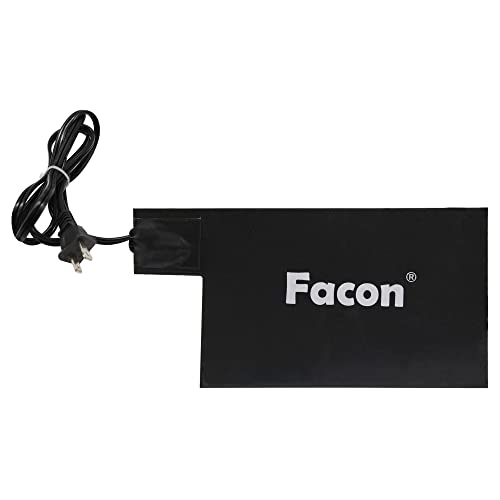
The Facon heater pad measures 8-1/2 by 5-1/2 inches and operates at 120V with a 60W rating. It features a built-in thermostat that turns off around 68°F (±10) to prevent overheating, while starting operation after 10–30 minutes of plug-in use. The silicone-coated pad resists oil, acids, and wear, making it a durable option for most battery trays. The 72-inch power cord provides flexible installation options inside the engine bay or near the battery compartment. This solution helps preserve cold-cranking amps during freezing mornings.
Maichis Silicone Battery Heater Pad With Thermostatic Control

The Maichis pad offers 8-1/2 by 7-7/8 inches of warming area and a thermostat that starts at 32°F (0°C) and turns off at 122°F (50°C). Its silicone construction provides flexibility and durability for automotive batteries. With a 60W, 120V rating, it delivers dependable warmth while aiming to minimize energy consumption. The built-in thermostat helps maintain safe operating temperatures, reducing the risk of battery overheating during extended cold-weather use.
Subaru OEM 80W Battery Warmer

Official Subaru battery warmer with 80 watts of heating power, designed to fit Subaru engine batteries for easier starts in extreme cold. This genuine OEM warmer plugs into a standard household outlet and is positioned to provide steady warmth to the battery area. The OEM design ensures compatibility with Subaru-specific battery trays, potentially simplifying installation for Subaru owners or those seeking a factory-backed solution.
QincLing 40×7 Universal Battery Insulation Kit
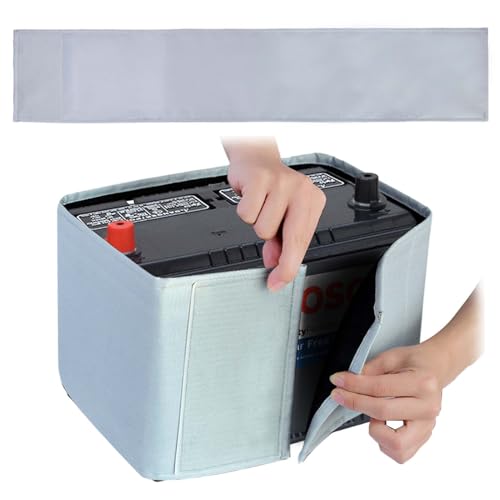
The QincLing kit is a universal 40×7 inch insulation blanket designed to wrap most car batteries. It emphasizes extreme weather protection through high-temperature resistant materials, including silicone-coated fabrics and flame-retardant felt with aluminum foil. While not a traditional heater, its insulation supports battery warmth retention during cold snaps and reduces heat loss during hot days. This option focuses on protecting the battery from rapid temperature swings and moisture exposure rather than actively heating the cell.
Lettry Car Battery Insulation Blanket

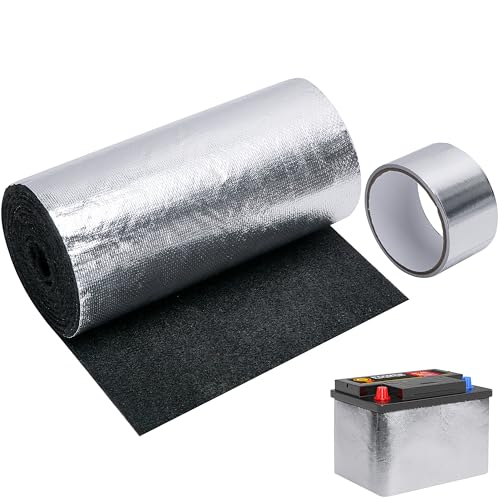
The Lettry insulation kit emphasizes preserving the battery against extreme heat and cold by using high-performance materials designed to withstand up to 1800°F direct heat and 2500°F intermittent heat. It includes easy trimming and edge sealing, enabling a snug fit across standard battery sizes. The kit’s aluminum foil outer layer adds moisture and corrosion resistance, supporting extended battery life and more reliable starts in challenging climates. It is well-suited for owners seeking a durable wrap that reduces vulnerability to engine vibrations.
Nkiy Quen 8.2 x 5.5 Inches Silicone Battery Pad
The Nkiy Quen pad uses built-in precision heating wires to deliver uniform heat across the battery bottom, with a thermostat that cuts power at approximately 122°F. The 8.2 by 5.5-inch pad is slim enough to fit under most battery trays and does not require substantial space. Expect a 15–20 minute heating period for most stable performance, with a note that slight temperature variation may occur due to wire distribution. This option prioritizes compact design and consistent warmth without bulk.
Buying Guide
- Heat source type: Active battery warmers (thermostat-controlled pads) versus passive insulation blankets. Active pads heat the battery directly, while insulation aims to retain heat around the battery.
- Thermostat behavior: Look for automatic shutoff temperatures and a safe operating range to prevent overheating (common ranges: 32°F to 122°F or 68°F shutoff).
- Power specifications: Most pads run on 120V and 60W. Ensure your vehicle setup allows safe cord routing and that the power cord length accommodates your layout.
- Material durability: Silicone is common for its oil and acid resistance. OEM parts may offer guaranteed compatibility for certain makes.
- Coverage area: Larger pads provide more uniform heating, but ensure they fit your battery tray without obstructing components.
- Installation considerations: Some kits require trimming or edge sealing; consider your comfort level with DIY assembly and the vehicle’s battery size specifications.
- Weather protection: While heaters actively warm, insulation blankets excel in harsh climates where heat loss is a bigger concern.
- Safety and maintenance: Inspect cords for wear, ensure waterproofing where possible, and unplug devices when the battery is warm to prevent continuous cycling.
When selecting a battery warmer, align your choice with typical winter conditions, your vehicle type, and how you prioritize start reliability versus insulation-based protection. The listed options provide both heating and insulation approaches, enabling a balanced decision for cold-weather driving in America.