Best Auxiliary Fuel Tank for Your Truck Bed: Top Picks for 2026
Choosing the right auxiliary fuel tank for a truck bed can extend range, reduce trips to the pump, and improve on-site efficiency. This guide compares five popular options, focusing on capacity, construction, spill prevention features, and practical transfer systems. Each model listed below is designed to fit truck beds while delivering reliable fuel storage and transfer capabilities across work sites, farms, and travel adventures. Read on to find the tank that best matches your vehicle, fuel needs, and duty cycle.
| Product | Brand | Capacity | |
|---|---|---|---|
| RDS MFG INC 71083 Rectangular Auxiliary/Transfer Fuel Tank | RDS MFG INC | 45 Gallon | Top-siphon electric pump; fully welded seams; variety of dimensions |
| Better Built Steel Transfer Fuel Tank | Better Built | 36 Gallon | Overfill shutoff; built-in baffles; rectangular design |
| 60-Gal Aluminum Transfer Fuel Tank Toolbox Combo | BLACKHORSE-RACING | 60 Gallon | Toolbox side; 13.1 ft tubing; 10 GPM flow; high-quality aluminum |
| Landrol 58 Gallon Iron Fuel Cell Tank | Landrol | 58 Gallon | Iron construction; rust-resistant finish; large rectangular design |
| VEVOR New Portable Diesel Tank, 58 Gallon | VEVOR | 58 Gallon | 10.6 GPM; 12V transfer pump; duplex filter; UV-resistant PE shell |
Note: The table reflects the featured models in this guide. All options are designed for mounting in truck beds or compatible platforms, with attention to safer transfer and spill prevention. When selecting, consider your vehicle’s bed dimensions, fuel type, and the distance to your destination to optimize capacity and pump performance.
RDS MFG INC 71083 Rectangular Auxiliary Tank

The RDS MFG INC 71083 offers a 45-gallon capacity with a rectangular profile designed to maximize usable space in a truck bed. Key construction features include fully welded seams for durability and a top-siphon fuel transfer approach using an electric pump. This model supports gasoline auxiliary fueling, making it suitable for trucks that rely on quick, on-site refueling without frequent returns to the pump. The combination of robust construction and flexible capacity makes it a strong choice for long hauls or jobs that require extended range between fuel stops.
Features to consider include the availability of different tank dimensions to fit various bed widths and the overall sturdiness of welded seams. For operators prioritizing reliability and a straightforward fueling setup, this tank delivers steady performance with a practical transfer system. As with any auxiliary tank, ensure proper ventilations, mounting securement, and compatibility with your truck’s electrical system for the transfer pump.
Better Built Steel Transfer Fuel Tank
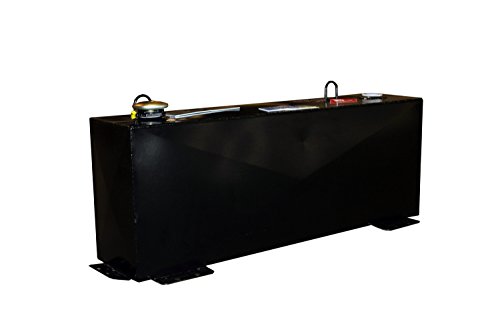
The Better Built 36-gallon tank emphasizes reliability with features that reduce spill risk and maintain fuel stability during transport. Its overfill restriction provides automatic shutoff at the pump, preventing spills in both storage and use. Built-in baffles add rigidity and prevent fuel from sloshing, which helps stabilize the vehicle’s dynamics when driving on rough terrain or uneven surfaces. The compact rectangular form is ideal for mid-sized trucks, offering a balance of capacity and space efficiency. This model is a practical choice for professional crews needing dependable fuel transfer on multiple job sites.
When evaluating, consider whether automatic shutoff is essential for your operation, and whether the internal baffles align with your vehicle’s ride characteristics. In addition, verify fitment against bed dimensions and tailgate clearance to avoid interference with toolboxes or other accessories. This tank pairs well with a robust mounting system and a dedicated power source for the transfer pump.
60-Gal Aluminum Transfer Tank Toolbox Combo

This BLACKHORSE-RACING option combines a 60-gallon aluminum transfer tank with a toolbox on the right side of the top surface. The unit includes a 10 GPM flow rate, a 31″ x 9.5″ x 19.6″ toolbox, and a full system designed to move fuel efficiently from the tank to a vehicle. The combination of high-capacity storage, a practical toolbox, and a long transfer hose setup makes it a versatile choice for agriculture, construction, and fleet use. The aluminum construction improves corrosion resistance and reduces weight compared to steel tanks, which can be advantageous for fuel efficiency in some setups.
Key considerations include ensuring the toolbox does not impede access to the fuel filler, confirming that the included hose and fittings are compatible with your pump and vehicle, and verifying if the product requires any special mounting hardware. If your operations involve frequent refueling at varying locations, a 60-gallon setup with a long hose can simplify workflows and reduce downtime.
Landrol 58 Gallon Iron Fuel Cell Tank

The Landrol 58-gallon iron fuel cell presents a robust rectangular transfer tank designed for heavy-duty use. With dimensions around 59 inches in length, it offers ample capacity for extended work without frequent refueling. The product emphasizes durability through iron construction and an electroplated finish intended to resist rust and wear. Its large form factor suits trucks with ample bed space, delivering a straightforward solution for fleets that require dependable, long-range fuel storage. Users should confirm external mounting space and ensure a proper seal to prevent leaks during transport.
When choosing, assess how the iron construction impacts weight and vehicle payload, and consider painting or coating strategies to extend longevity in harsh environments. Proper mounting and regular inspection of seals, fittings, and venting are essential to maintaining long-term reliability in field conditions.
VEVOR New Portable Diesel Tank, 58 Gallon

The VEVOR 58-gallon portable diesel tank emphasizes a durable polyethylene shell with UV resistance and a lockable upper lid for theft protection. A 12V transfer pump delivers up to 10.6 GPM, with a duplex filtration system designed to remove large and small impurities. The unit includes 13.1 feet of fuel hose, making it suitable for long-reach fueling tasks on farms and construction sites. The design focuses on safe, secure, and clean fuel transfer, with attention to preventing leaks and maintaining fuel quality during transport.
Key considerations include evaluating the safety features (lockable lid, sturdy seals), filtration capabilities (ensuring fuel cleanliness for engines sensitive to contaminants), and compatibility with your vehicle’s electrical system. For operations in remote locations, a robust transfer pump and long hose can save time and reduce manual handling risks.
Buying Guide: Key Purchase Considerations And Comparisons
Capacity and space: Choose a tank that matches your typical distance between refuels and available bed space. Larger tanks provide longer range but add weight and may require stronger mounting solutions. Consider a toolbox combination if you need additional storage for tools and hoses.
Material and durability: Aluminum tanks are lighter and resist corrosion better than steel in many environments, while iron tanks provide rugged durability. For fleets operating in harsh weather or salt exposure, aluminum or coated options can reduce maintenance needs.
Transfer system: Evaluate pump type (electric or manual), flow rate (GPM), hose length, and electrical requirements. A higher flow rate speeds refueling but may demand more power and heat management. Some models include auto shutoff features to prevent spills and improve safety.
Seals, ventilation, and safety: Ensure proper venting and a sealed design to prevent pressure buildup and leaks. Look for lockable lids or theft-prevention features in mobile units. Proper mounting hardware and safety brackets are essential for road use.
Compatibility and installation: Verify bed dimensions, tailgate clearance, and the presence of existing toolboxes or fuel lines. Some tanks are designed specifically for trucks with toolbox-integrated designs, while others require stand-alone mounting systems.
Maintenance and filtration: Tanks with built-in filtration reduce fuel contaminants entering engines. Regular inspection of hoses, fittings, and seals helps prevent leaks and extends service life. Consider ease of access for cleaning and inspection during routine maintenance.
Price and support: Compare total cost of ownership, including mounting hardware, warranty terms, and the availability of replacement parts. A vendor with clear documentation and responsive support can simplify future maintenance or upgrades.
Bottom line: The best auxiliary fuel tank for your truck bed should balance capacity, durability, and transfer efficiency with your vehicle’s layout and duty cycle. Whether you prioritize maximum range, rugged steel construction, or integrated storage, there are options to fit most professional needs and off-road adventures.