Best Gas Sensor for Car: Comprehensive Guide to in-Vehicle Gas Detection
Choosing a reliable gas sensor for your vehicle protects passengers, cargo, and the environment. This article highlights top car-focused gas sensors and detectors, spanning combustible gas leaks, carbon monoxide monitors, and engine/exhaust sensors. Each product is explained with practical use cases, key features, and fitment considerations to help you compare options quickly.
Summary of Selected Products
| Product | Brand | Type | Key Benefit |
|---|---|---|---|
| LifeBasis Natural Gas Leak Detector | LifeBasis | Portable gas leak sniffer | Quickly locates combustible gas leaks with real-time display |
| Pumwry Carbon Monoxide Detectors | Pumwry | Battery-operated CO detector | Portable CO monitoring without power dependency |
| PRIMBARBER Portable CO Detector | PRIMBARBER | 3-in-1 CO, temp, humidity monitor | Real-time ambient data on a single device |
| SDOER 3-in-1 CO Detectors | SDOER | Portable CO/T&H detector | Multi-parameter sensing for travel and camping |
| PANNUOSCS EGR Pressure Feedback Sensor | PANNUOSCS | Engine exhaust gas recirculation sensor | Engine performance and emissions alignment with OEM specs |
LifeBasis Natural Gas Leak Detector With LCD Display
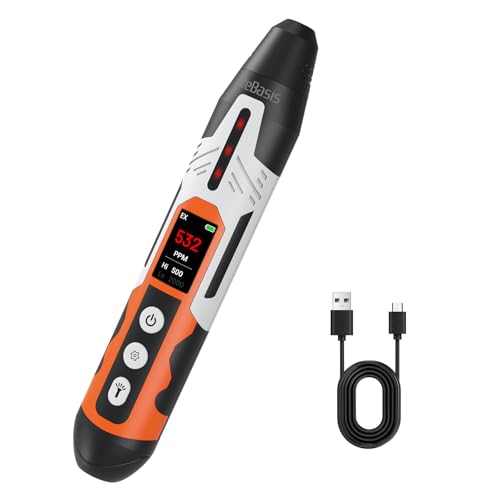
The LifeBasis gas sniffer is designed to locate combustible gas leaks in proximity to car engines, RVs, or other fuel-powered devices. It detects natural gas, methane, propane, butane, LPG, alcohol, gasoline, and related vapors with a detection range up to 9,999 ppm. An alarm activates quickly—within 0.5 seconds—when concentrations exceed safe thresholds, and a real-time red concentration readout helps pinpoint leakage sources. Its compact, anti-slip form factor makes it easy to carry in a pocket or tool bag for on-the-go inspections during maintenance, camping trips, or roadside checks. The device is particularly useful for service professionals, DIY enthusiasts, and vehicle owners who want a fast, portable warning about elevated gas levels.
Why it matters for cars: Combustible gas leaks around fuel lines, propane-powered equipment, or gas appliances in a vehicle setup pose fire and health risks. A portable detector allows quick spot checks in engine bays, fridges in RVs, and auxiliary gas appliances, helping prevent hazardous conditions before they escalate.
Key considerations when choosing:
- Detection range and responsiveness for common vehicle fuels
- Portability for in-field use and storage in a vehicle glove box
- Clear visual and audible alarms to ensure quick action
Pumwry Carbon Monoxide Detectors Portable

The Pumwry CO detector is a portable, battery-powered alarm designed to monitor carbon monoxide in environments where a vehicle or travel setup lacks reliable power. It is designed for use in cars, RVs, or hotel rooms during travel. The device emphasizes continuous protection even during power outages, with a low battery warning to keep occupants informed. The CO detector helps ensure safety on long road trips, in temporary accommodations, or when refitting a vehicle for extended stays away from a consistent electrical supply.
Why it matters for cars: CO exposure is a critical risk in enclosed spaces like parked cars, cabins on RVs, or vehicles with auxiliary power units. A portable CO detector provides immediate alerts if exhaust or appliance-related CO leaks occur, allowing occupants to exit or ventilate promptly.
Key considerations when choosing:
- Battery life and ease of replacement
- Portability and simple mounting options
- Audible alarm clarity and multi-level alerting
PRIMBARBER 3-in-1 CO Detector For Travel

This 3-in-1 CO detector provides simultaneous monitoring of CO concentration, humidity, and temperature. Its 43-hole design enhances exposure to ambient gases, enabling more accurate readings (0-500 PPM CO; 0-90% RH; 32°F to 122°F). A 1-second refresh rate ensures real-time data with a 1.5-inch display that presents CO values across a color-coded range (green, yellow, red). Audible alarms accompany visual indicators, making it suitable for use in vehicles, RVs, and tents during travel or camping adventures. The device’s compact size and user-friendly interface support straightforward operation while on the road.
Why it matters for cars: Inside-vehicle CO monitoring helps mitigate exposure during long drives, particularly in older vehicles, poorly ventilated cabins, or after engine work where exhaust leaks might occur. The combined readouts of CO, humidity, and temperature give broader environmental context for decision-making about ventilation or escaping a dangerous area.
Key considerations when choosing:
- Combined sensor suite for CO, temp, and humidity
- Fast data refresh and intuitive display
- Compact footprint for travel use
SDOER 3-in-1 CO Detectors For Travel
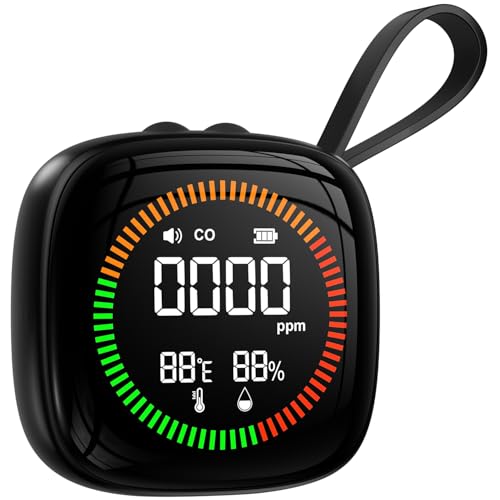
The SDOER detector is designed for portable CO monitoring with a focus on real-time data. It provides a CO range of 0-500 PPM, and also measures temperature and humidity. The LCD alarm activates when CO exceeds 100 PPM, alerting occupants to potential exposure. The device emphasizes portability and durability, with a compact form factor ideal for travel, camping, or vehicle use where a reliable power source may not be available. The user-friendly interface helps non-technical users interpret CO risk quickly.
Why it matters for cars: In travel scenarios, CO buildup can occur due to poor ventilation or engine exhaust leakage in enclosed spaces. A portable CO detector with ambient data helps travelers make timely safety decisions and improves cabin air management during stops or overnight camping in vehicles.
Key considerations when choosing:
- Real-time CO, temperature, and humidity readings
- Alarms and display clarity for quick interpretation
- Portability and battery reliability for mobile use
PANNUOSCS EGR Pressure Feedback Sensor

The EGR Pressure Feedback Sensor monitors the exhaust gas recirculation system to help maintain engine efficiency and reduce emissions. This direct replacement sensor is designed for Ford, Lincoln, and Mazda vehicles, compatible with a wide range of models and part numbers. It is manufactured to ensure a proper fit with OEM-style performance and supports continued emissions compliance. The sensor is particularly important for maintaining fuel economy and reducing hydrocarbon emissions, which aligns with broader automotive performance monitoring needs.
Why it matters for cars: A faulty EGR sensor can cause poor engine performance and failed emissions tests. Replacing with a compatible pressure feedback sensor helps ensure the EGR system operates correctly, improving efficiency and reducing pollutant output in modern vehicles.
Key considerations when choosing:
- Vehicle compatibility and replacement part accuracy
- OEM-style fit and long-term durability
- Impact on fuel economy and emissions compliance
Buying Guide: Gas Sensor Choices For Vehicles
When selecting a gas sensor for a car, consider the primary safety scenarios you face. For in-cabin and engine bay monitoring, prioritize sensors with clear alarms, quick response times, and multiple sensing parameters. For portable needs—road trips, camping, or temporary setups—look for battery life, compact design, and straightforward operation. Engine and exhaust sensors demand compatibility with your vehicle’s model and OEM reference numbers to ensure proper function and emissions compliance.
Key purchase considerations
- Application scope: in-cabin monitor, portable detector, or engine-sensing component
- Sensor range and response time: how quickly it detects hazardous concentrations
- Power source: battery-powered for portability, or mains/vehicle power for fixed installations
- Display and alarms: readability in various lighting, visual and audible cues
- Durability and weather resistance: IP ratings, ruggedness for travel or outdoor use
- Maintenance: battery replacement, sensor calibration, and replacement parts
- OEM compatibility: for engine sensors, ensure match with vehicle makes/models
Compared perspectives:
- Portable detectors (like LifeBasis and Pumwry) excel for on-the-road checks and temporary setups, offering mobility and immediate alerts but may require regular battery maintenance.
- Multi-parameter travel detectors (PRIMBARBER and SDOER) provide contextual data (CO, temperature, humidity) that helps interpret environmental risk but can be more complex to use for beginners.
- Engine-focused sensors (PANNUOSCS EGR sensor) are built for integration with specific vehicle systems, emphasizing OEM alignment and long-term reliability over portability.
By weighing portability, sensing capabilities, and vehicle compatibility, you can choose a gas sensor solution that aligns with your safety goals, vehicle type, and travel patterns. The right sensor reduces risk, supports proactive maintenance, and contributes to safer driving experiences.