Best Car Seats for Disabled Children: Safe, Comfortable Solutions for Every Ride
Choosing the right car seat for a child with special needs involves balancing safety, accessibility, and comfort. The following five seats offer robust safety features, age- and size-appropriate configurations, and user-friendly designs to assist caregivers on daily trips and longer journeys alike. This guide highlights key attributes that support mobility, transfer ease, and secure positioning for children with diverse abilities.
Summary of Selected Products
| Product | Brand | Key Features |
|---|---|---|
| Graco TurboBooster 2.0 Highback Booster Car Seat | Graco | ProtectPlus Engineered safety, height-adjustable armrests, long-lasting growth with highback configuration |
| Graco Tranzitions 3-in-1 Harness Booster | Graco | 3-in-1 versatility, no-rethread harness, grows from harness to booster, broad weight range |
| Chicco GoFit ClearTex Plus Backless Booster | Chicco | LATCH stabilization, quick-release removal, belt-positioning features, portable |
| Graco Slimfit 3-in-1 Convertible Seat | Graco | Ultra-space-saving design, 3-in-1 use, compact with cup holders, ProtectPlus safety |
| Graco TriRide 3-in-1 Convertible Seat | Graco | Rear- and forward-facing, highback booster, extended weight range, easy adjust harness |
Note: All products listed support children across a wide range of ages and abilities, with a focus on safety, ease of use, and adaptability for ongoing growth and mobility needs. This article adheres to objective, research-based descriptions of the features provided by manufacturers.
Graco TurboBooster 2.0 Highback — Declan

The Graco TurboBooster 2.0 Highback, Declan, combines booster stability with a highback design to support older children who require upper body guidance and side impact protection. The seat uses Graco ProtectPlus Engineered safety technology, tested across varied crash scenarios to maximize protection for front, side, rear, and rollover events. Height-adjustable armrests contribute to comfort over longer rides and can assist positioning for children who need support reaching the seat belt. This model is built to adapt from a highback booster to backless configuration, accommodating growth and changing car setups.
Considerations for accessibility and disability-specific needs:
– Highback support helps with head and neck alignment, particularly valuable for children who require extra stability.
– Easy-to-use adjustments reduce the effort needed during seat setup, which can benefit caregivers managing multiple tasks.
– The seat’s compact profile aids installation in vehicles with tighter back seats or limited space around mobility aids.
Graco Tranzitions 3-in-1 Harness Booster

The Graco Tranzitions 3-in-1 Harness Booster provides a versatile path from toddler to youth. It transitions from forward-facing harness (26.5-65 lb) to a highback booster (40-100 lb) and finally to a backless booster (40-100 lb). The no-rethread Simply Safe Adjust Harness System allows the headrest and harness to move together, enabling quick, accurate fitting as a child grows or as caregiver needs change. This seat is designed to maintain proper belt positioning while supporting growth in both height and weight, which can be important for children with evolving mobility and seating requirements.
Considerations for accessibility and disability-specific needs:
– 3-in-1 configuration minimizes the number of seat changes required as the child ages, which can simplify transitions for families managing sensory or coordination challenges.
– Simultaneous adjustment of headrest and harness can help streamline safety checks and ensure consistent fit with minimal handling.
Chicco GoFit ClearTex Plus Backless Booster
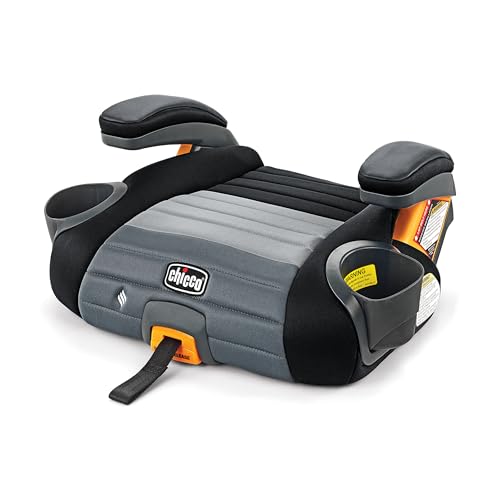
The Chicco GoFit ClearTex Plus Backless Booster emphasizes portability and ease of use with LATCH stabilization to help secure the seat as the child enters and exits the vehicle. A quick-release mechanism allows one-hand removal, and a built-in carry handle facilitates transport between cars or locations. Integrated belt-positioning guides for the lap and shoulder belts help ensure a proper fit for safe operation. The ErgoBoost contoured seat with double foam padding adds comfort for longer rides, which matters for children who may require more rest or support during travel.
Considerations for accessibility and disability-specific needs:
– Lightweight, portable design supports caregivers who frequently switch cars or need to manage multiple seating arrangements.
– Quick-release features can reduce handling steps, beneficial for children sensitive to disruption during transitions.
Graco Slimfit 3-in-1 Convertible Seat

The Graco Slimfit 3-in-1 Convertible Car Seat is engineered to save space while growing with a child from rear-facing to forward-facing and finally to a highback booster. The ultra-space-saving design is ideal for vehicles with limited back-seat room, a common situation for families with equipment or mobility aids. It includes dual integrated cup holders that rotate away, making the seat 10% slimmer and easier to fit in tight spaces. Graco ProtectPlus Engineered safety testing continues to guard a child through various crash scenarios, aligning with families seeking reliable, long-term seating solutions.
Considerations for accessibility and disability-specific needs:
– Space-saving design can improve back-seat accessibility for caregivers and siblings, as well as accommodate assistive devices.
– Multi-mode seating reduces the number of seat changes required as a child grows, important for ongoing stability in daily routines.
Cosco Topside Backless Booster — Leo

The Cosco Topside Backless Booster offers a lightweight, compact design designed to lift a child so that seatbelts fit correctly. This option suits children within a 40-100 lb weight range and a height range of roughly 43.4″ to 57″. The booster’s portable format makes it a practical travel companion or backup seat for households that require flexible seating arrangements. It emphasizes easy transfer and belt-positioning for safer, proper belt alignment across vehicle seats.
Considerations for accessibility and disability-specific needs:
– Lightweight construction can ease transfers between cars and caregivers, supporting daily routines and clinical appointments.
– Backless configuration is a straightforward option for older, heavier children who don’t require a highback seat for head support in a static environment.
Buying Guide: Key Purchase Considerations
- Safety standards and testing: Look for seats with strong crash-tested performance and features like side-impact protection. Graco ProtectPlus Engineered is a widely cited safety approach across several models and can provide consistent protection across different accident scenarios.
- Seat type and growth trajectory: Decide between backless, highback boosters, and 3-in-1 convertible seats based on the child’s age, size, posture, and mobility needs. 3-in-1 models reduce drivetrain changes as the child grows, which can be advantageous for families needing adaptable solutions.
- Ease of use: For caregivers managing disability considerations, prioritize seats with simple installation, straightforward belt routing, and easy adjustments. Features such as no-rethread harness systems and quick-release buckles reduce handling complexity during setup and daily use.
- Fit and comfort: Height-adjustable armrests, headrests, cup holders, and contoured padding support long trips and restless children. Comfort features can contribute to longer, calmer rides and consistent seat positioning.
- Space and vehicle compatibility: Consider the vehicle’s back-seat space and whether you need portable or compact designs that fit next to mobility devices or multiple child seats. Slim designs help preserve legroom and access to car doors for easy entry and exit.
- Maintenance and durability: Look for fabric that is easy to wipe clean and resistant to spills. Durability matters for frequent daily use and travel.
- Weight and portability: If you switch cars often or travel, a lightweight booster with a removable seat base and carry handles can simplify transfers and reduce caregiver strain.
- Age, weight, and height guidelines: Confirm the seat’s weight and height ranges align with the child’s current and anticipated growth. This is critical for long-term usability and safety compliance.
- Accessibility features: LATCH connectors, quick-releases, clear belt guides, and ergonomic adjustment mechanisms can reduce the physical effort required by caregivers and improve the child’s seating stability.
In selecting the best option for a child with disabilities, consider consulting a certified child passenger safety technician to ensure a precise fit and secure installation in your vehicle. Each child’s mobility, posture, and comfort needs are unique, and choosing a seat that supports ongoing growth and safe positioning is essential for daily transportation and travel safety.