Best Jumper Cables for Car: Top 5 Heavy‑Duty Models for Quick Starts
When a car battery dies or weakens, reliable jumper cables are essential for a fast, safe boost. The following selections emphasize strong clamps, durable insulation, and solid conductors to perform well in cold weather and demanding conditions. Each option below is designed for multiple vehicle types, from compact cars to full‑size SUVs, with portability in mind for easy storage in a trunk or garage. The list focuses on traditional jumper cables that deliver dependable performance without requiring a separate power bank or starter box.
| Product | Gauge / Length | Key Benefit | Image |
|---|---|---|---|
| Energizer Jumper Cables for Car Battery (16 Feet, 6-Gauge) | 6 Ga, 16 ft | Thick vinyl coating and carrying case for easy transport | 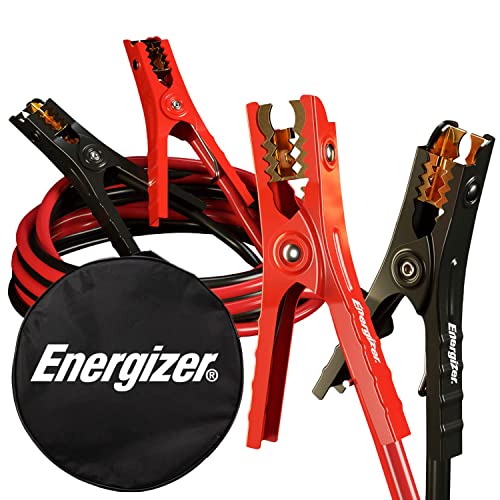 |
| TOPDC Jumper Cables for Car (20 Feet, 4-Gauge) | 4 Ga, 20 ft | Long reach with robust clamps and UL-listed safety features |  |
| Energizer Jumper Cables for Car Battery (20 Feet, 4-Gauge) | 4 Ga, 20 ft | Heavy‑duty performance with a carrying case |  |
| NOONE Jumper Cables for Car Battery (10 Feet, 10-Gauge) | 10 Ga, 10 ft | Universal fitment with high‑quality clips and insulation |  |
| Extrespo Heavy Duty Jumper Cables (20 Feet, 4-Gauge) | 4 Ga, 20 ft | UL listed with thick vinyl coating and strong clamps |  |
Energizer 16 Ft Jumper Cables – 6 Gauge
Energizer’s 16‑foot jumper cables use a 6‑gauge conductor for strong current during boosts. The thicker copper wiring improves conductivity and reduces voltage drop, which helps start engines in cold conditions. A durable vinyl coating protects against rust and corrosion, while dual‑clip handles simplify clamp placement. The included carrying case aids organization and transport. These cables are suitable for most passenger vehicles and light trucks, providing reliable performance for everyday emergencies.
TOPDC 20 Feet Jumper Cables – 4 Gauge
TOPDC’s 20‑foot, 4‑gauge jumper cables offer extended reach for distant battery posts and larger vehicles. The clamps feature jagged teeth and springs for a firm grip, with insulating rubber to reduce the risk of electric shock. The copper‑clad aluminum conductor supports strong conductivity, while a thick vinyl jacket protects the wires from wear and environmental exposure. UL listing adds a layer of quality assurance, making these cables a robust option for SUVs and trucks.
Energizer 20 Feet Jumper Cables – 4 Gauge
These Energizer cables measure 20 feet in length and use a sturdy 4‑gauge conductor. The long length enables access to remote battery posts in larger vehicles or in tight parking spots. A robust vinyl jacket guards against rust and wear, while the included carry bag enables easy storage after a jump. This option balances flexibility with strength, making it practical for a wide range of vehicles and scenarios.
NOONE 10 Feet Jumper Cables – 10 Gauge
NOONE’s 10‑foot, 10‑gauge cables are designed for quick access to battery posts on compact and mid‑size cars. The higher gauge offers acceptable conductivity for routine boosts, and the insulated handling improves safety during use. The cables are built to perform in a wide temperature range, ensuring reliable operation in winter or hot summer conditions. They are a practical, budget‑friendly choice for everyday drivers who encounter flat batteries.
Extrespo Heavy Duty Jumper Cables – 20 Feet, 4 Gauge
Extrespo’s 20‑foot jump cables use a 4‑gauge conductor and feature a thick vinyl coating for durability in challenging environments. The cable design emphasizes safety with strong clamps and excellent insulation, and the UL listing provides assurance of safety and reliability. The longer length is beneficial for reach around larger engines in trucks or SUVs, while maintaining solid current delivery for quick starts.
Buying Guide: Key Considerations For Choosing Jumper Cables
Selection criteria for jumper cables balance safety, durability, and compatibility with your vehicle fleet. The following perspectives help users compare options effectively:
- Conductor gauge: Lower gauge numbers (e.g., 4‑ga) deliver higher current and faster starts, especially in cold weather or with larger engines. Higher gauge (e.g., 10‑ga) is acceptable for smaller cars and budget needs but may take longer to boost.
- Length: Longer cables (16–20 ft) offer reach for distant battery posts and awkward parking spots but can be heavier and less manageable. Choose a length that fits your typical parking environment and vehicle size.
- Clamps and insulation: Heavy clamps with serrated teeth ensure a secure grip on top‑post or side‑terminal batteries. Thick vinyl or PU insulation protects against abrasion and corrosion and improves safety in wet or cold conditions.
- Safety features: Look for insulated handles, spark protection (where applicable), and UL listing or equivalent certifications. These reduce risk during use and provide durability for frequent emergencies.
- Portability: Carrying bags or pouches help store cables neatly. A compact kit saves space and reduces tangling when transporting in a trunk or garage.
- Durability and weather resistance: Materials that resist cracking, tearing, and rust extend the life of cables in varied climates. Construction quality matters for long‑term reliability.
- Vehicle compatibility: For SUVs, trucks, and larger engines, prioritize lower gauge and longer length. For compact cars, shorter, lighter cables may suffice without sacrificing performance.
- Value and warranty: Consider brands with strong customer support and warranties, especially for tools you rely on in emergencies.
Across the options above, the best jumper cables typically combine a lower gauge (4‑ga), a practical length (16–20 ft), robust clamps, and a durable jacket. For daily drivers in moderate climates, 20‑ft, 4‑ga cables offer a solid balance of reach, current capacity, and durability. For smaller cars or budget constraints, 10‑ft, 10‑ga cables can still handle routine boosts effectively, provided the vehicle and battery specifications align. Always inspect cables for wear before use and store them in a protective bag to extend their lifespan.