Best Car Seat Harnesses for Special Needs and Versatile Travel
Finding the right car seat harness for a child with special needs involves balancing safety, ease of use, and comfort. This guide highlights five highly capable options that cover forward-facing harness needs, belt-positioning boosters, and compact travel-friendly designs. Each product is evaluated for adjustability, growth paths, and compatibility with common caregiver requirements. Below you’ll find a quick summary table, followed by detailed product sections and a practical buying guide to aid your decision.
| Product | Key Benefit | ||
|---|---|---|---|
| Graco Tranzitions 3-in-1 Harness Booster (First Choice) | 3-in-1 Harness Booster | 26.5–65 lb harness; 40–100 lb booster | Long growth span; no-redishibition harness system |
| Safety 1st Grand 2-in-1 Booster | 2-in-1 Booster | 40–65 lb harness; 40–100 lb belt-positioning | 3-across compatibility; light and portable |
| Merritt Roosevelt Special Needs Seat | Special Needs Seat | Multiple depth options | Padded seat extenders for better leg support |
| RideSafer Small Vest | Vest-type Restraint | Adjustable to fit growing child | Compact, travel-friendly, legal in vehicles |
| Cosco Finale DX 2-in-1 Booster | 2-in-1 Booster | 40–65 lb harness; 40–100 lb belt-positioning | Fits 3 across; lightweight |
Graco Tranzitions 3-in-1 Harness Booster Car Seat

The Graco Tranzitions model is designed to grow with a child from a forward-facing harness to a highback booster and then to a backless booster. It features a No-Rethread Simply Safe Adjust Harness System, allowing the headrest and harness to move together in one motion as a child grows. This 3-in-1 setup is particularly advantageous for families seeking a single seat for years of use, aligning with standard safety expectations for children in the 26.5–100 lb range.
Key considerations include the weight minimum increase for booster use, now starting at 40 lb to meet current industry standards. The seat’s continuous headrest/harness adjustment helps maintain proper fit and comfort, which can be particularly important for children with special needs who require predictable positioning. Review installation instructions and ensure vehicle compatibility for longest-term value.
RideSafer – Small Vest Car Seat

The RideSafer vest-type restraint emphasizes retaining a correct seat belt fit while offering portability and travel-friendly design. This option is noted for safety certification compliance with FMVSS 213 requirements, making it a legal choice across states. Its ultra-lightweight, compact form is ideal for families who travel frequently, carpool, or rely on rideshares where space or quick installation matters. The vest’s design supports a safer belt path for smaller children and can be easier to manage for caregivers who need minimal setup time.
Safety 1st Grand 2-in-1 Booster
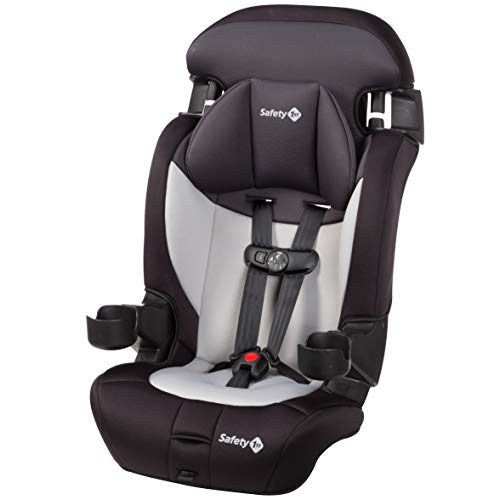
The Safety 1st Grand 2-in-1 Booster provides a flexible solution that transitions from a forward-facing harness booster to a belt-positioning booster with a high back. Its slim design supports three-across seating in the rear of many vehicles, which is helpful for larger families or carpools. The seat’s lightweight nature aids in moving it between cars, a practical advantage for caregivers who frequently switch vehicles or rely on multiple drivers. It aims to balance space efficiency with safety standards across a broad weight range (40–100 pounds).
Merritt Roosevelt Standard Special Needs Seat
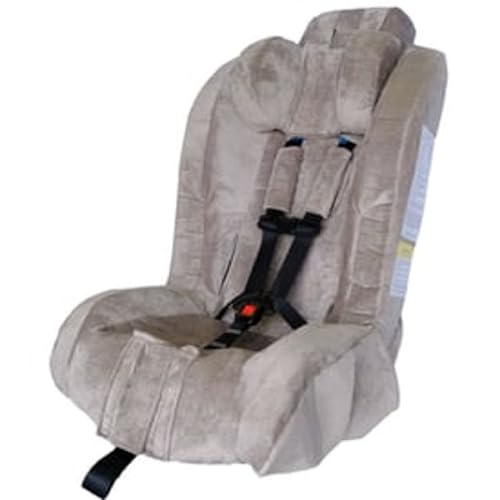
The Merritt Roosevelt seat emphasizes adaptability with multiple depth options to optimize seat depth for each leg. This focus makes it suitable for children who require individualized seating support or customized positioning. The product line often includes padded extenders, which can improve comfort during longer rides or for children with seating needs that demand additional support around the hips and legs. Consider how well the seat’s depth customization aligns with your child’s growth and comfort requirements.
Cosco Finale DX 2-in-1 Booster

The Cosco Finale DX 2-in-1 Booster provides two modes of use: a forward-facing harness booster and a belt-positioning booster. It is designed to be lightweight and carpool-ready, easing mobility for families with multiple children or frequent transitions between cars. Its narrow design aims to fit three-across the back seat in many vehicles, a practical consideration for households with limited space and a need for a single seat that accommodates growth into a belt-positioning booster.
Buying Guide: Key Purchase Considerations and Comparisons
When choosing a car seat harness for a child with special needs, consider the following dimensions to ensure safety and long-term usability:
- Growth range and weight limits: Look for seats that support forward-facing use, boosters, and backless configurations where appropriate. A single seat that grows with a child can simplify life for caregivers and reduce the number of seat transfers.
- Ease of adjustment: Features like no-rethread harnesses and integrated headrest adjustments help maintain proper fit as a child grows, minimizing the need for frequent repositioning.
- Vehicle compatibility: Slim profiles and 3-across capabilities contribute to better fit in vehicles with tight rear seating arrangements. Consider whether the seat will be used in multiple vehicles or by different caregivers.
- Weight and portability: For families who travel, portable options and lightweight designs can reduce installation friction and improve overall safety use in rideshares or taxis.
- Special needs suitability: Some seats offer enhanced padding, seat extenders, or alternative restraint designs that support comfort and positioning for children with sensory or motor needs.
- Compliance and safety certifications: Verify that the product meets or exceeds applicable FMVSS 213 standards and is legal for use in your state. Always follow installation manuals closely.
- Maintenance and durability: Fabrics and padding should be easy to clean, with durable harness components that can withstand frequent use and wash cycles.
For families with diverse needs, combining a trunk-friendly vest system for travel with a more traditional 3-in-1 harness booster at home can provide a balanced approach. Evaluate your daily routines, vehicle types, and caregiver preferences to choose the configuration that offers the safest fit with the least disruption.
Note: Car seat selection should align with a child’s specific requirements, and caregivers may wish to consult a certified child passenger safety technician (CPST) for personalized guidance and hands-on fitting assistance.