Best Car Soundproofing Materials for a Quieter Ride
Choose the right soundproofing mat to reduce road noise, engine hum, and vibrations. The following selections focus on thickness, materials, and installation ease to help you pick a solution that fits your vehicle and budget. This guide compares top options from dependable brands and summarizes their key strengths for a quieter cabin.
| Product | Brand |
|---|---|
| GOSCHE 394 mil 16 sqft | GOSCHE |
| AggSound 394 mil (10mm) 7sqft | AggSound |
| KOIKEY Automotive Sound Deadening | KOIKEY |
| Amazon Basics Car Sound Deadening Mat | Amazon Basics |
| WEUPE Sound Deadening Mat | WEUPE |
GOSCHE 394 Mil 16 Sqft Sound Deadener

The GOSCHE sound deadener is a thick, 10 mm mat designed to reduce road noise and vibration. It offers strong insulation and absorption performance with a total coverage of 16 square feet, delivered in 15 sheets measuring 15.7 x 9.8 inches each. The material combines PE with aluminum for heat shield properties, aiming to create a quieter cabin and more comfortable ride. The increased thickness is marketed as delivering twice the insulation effectiveness, making it a solid option for louder vehicles or louder routes.
AggSound 394mil Sound Deadening Mat
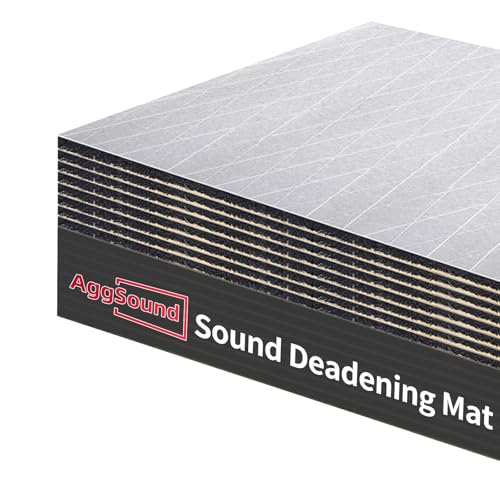
AggSound’s 10 mm mat targets automotive noise by combining three layers of high-density foam with reflective aluminum foil. It offers robust heat resistance and has adhesive backing for solid bonding to floors, doors, and panels. The kit emphasizes long-term durability and anti-extrusion properties, helping reduce engine and road noise while improving cabin comfort. The product claims to block a significant portion of heat transfer, complementing acoustical performance and contributing to a cooler interior and reduced HVAC load.
KOIKEY Automotive Sound Deadening
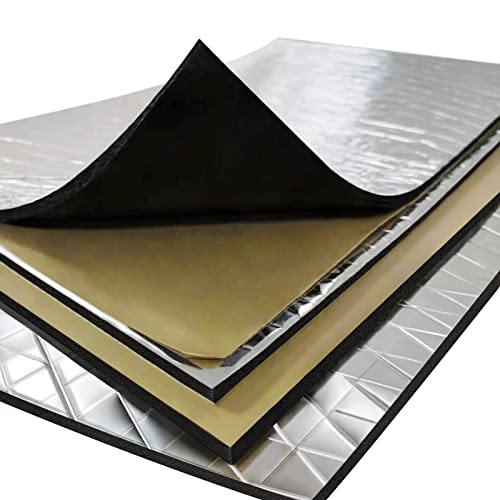
KOIKEY’s mat uses closed-cell PE foam with waterproof glue, offering a compact 5 mm thickness across a 16.3 ft² area (15 pieces). It is designed to block radiant heat transfer and dampen engine and road noises, contributing to a cooler cabin and reduced energy use by the air conditioning system. The product highlights strong adhesion, durability, and long-term performance, with emphasis on reducing internal vibration and extending component life through effective vibration dampening.
Amazon Basics Car Sound Deadening Mat

Amazon Basics offers a practical kit of 10 pieces of car sound deadener with butyl rubber backing and reflective aluminum foil. The material aims to reduce vibrations and noises from the vehicle and road while providing enhanced thermal insulation. The self-adhesive backing simplifies installation, making it a suitable option for DIY enthusiasts seeking straightforward quieting enhancements without complex layering.
WEUPE Sound Deadening Mat For Cars

WEUPE’s mats emphasize thickness and weight for enhanced insulation. At 50 mil, the product asserts 50% extra insulation performance and an average weight of 0.7 lb/ft². The sheets are described as easy to install with appropriate surface prep and rolling to ensure firm adhesion. The combination of butyl and reflective foil aims to reduce noise across doors, trunk, floors, and ceilings, contributing to quieter travel and better climate control.
Buying Guide
- Material and thickness: Thicker mats (around 8-10 mm) generally provide better vibration damping and sound insulation, but weigh more and may require more labor to install.
- Heat insulation vs. sound insulation: Some products pair aluminum foil with butyl rubber for dual heat and noise control. Consider your climate and vehicle to balance thermal and acoustic benefits.
- Adjacency and coverage: Plan coverage area by vehicle sections (doors, floors, trunk, roof). Larger kits simplify installation but may be more expensive.
- Adhesion and install method: Self-adhesive mats ease DIY installation, but ensure proper surface cleaning and a gentle, firm press to maximize bond longevity.
- Durability and resistance: Look for products with durable backing and heat resistance to withstand engine heat and road conditions over time.
- Weight considerations: Heavier mats can improve isolation but may impact fuel economy slightly; balance performance with vehicle type and purpose.
- DIY vs. professional installation: If unsure about panel removal or heat shielding, consider professional installation to ensure optimal effectiveness and safety.
- Maintenance: Check for moisture resistance and the potential for wear over time, especially in areas prone to leaks or water intrusion.
Key Comparisons
- Thickness: 5 mm to 10 mm options dominate the market; thicker mats generally offer stronger attenuation but require more effort and space for installation.
- Thermal performance: Mats with aluminum foil layers provide better heat reflection, which can help with engine bay heat and summer interior temps.
- Adhesion: Gel-backed and pressure-sensitive adhesives vary in long-term stickiness; ensure your chosen product matches your surface type and climate.
- Coverage: Look at total square footage and sheet count to estimate how much material is needed for your specific vehicle model and goals.
- Price vs. value: While premium mats offer higher performance, cost-effective kits can deliver noticeable improvements for everyday driving and reduced cabin noise.