Best Portable Power Bank for Electric Car Adventures and Beyond
Staying powered on the road or during camping trips requires reliable, portable power. The following select models offer car-friendly recharging, multiple outlets, and safe, stable performance for devices from laptops to CPAP machines. Explore five top options designed for mobile use with electric vehicles and off-grid living in mind.
Choosing a portable power station involves capacity, output power, recharge speed, weight, and safety features. For electric car use, consider models with car-charging compatibility, USB-C PD input/output, and pure sine wave AC outlets to protect sensitive electronics. The list below highlights five strong choices, each with a balance of portability and capability for on-the-go power needs.
Summary Of The Chosen Products
| Product | Brand | Capacity | Max Output | Main Use |
|---|---|---|---|---|
| Explorer 300 | Jackery | 293Wh | 300W | Compact camping and car charging |
| Explorer 1000 v2 | Jackery | 1070Wh | 1500W | Emergency and off-grid living |
| SOLIX C1000 Gen 2 | Anker | 1024Wh | 2000W | Home backup and travel |
| ALLWEI 300W | ALLWEI | 280Wh | 300W | Outdoor, RV, and camping |
| powkey 200W | powkey | 146Wh | 200W | Travel and emergencies |
Jackery Explorer 300 Portable Power Station
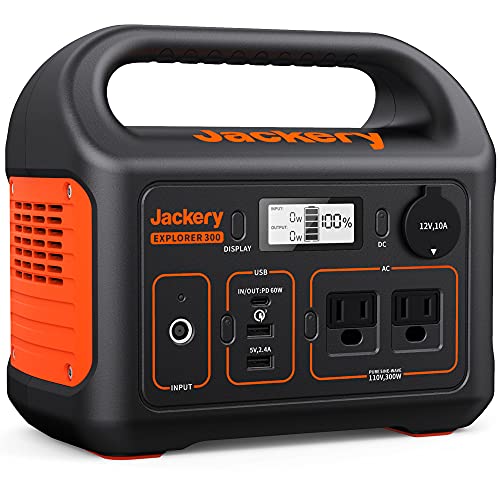
The Explorer 300 uses a 293Wh lithium-ion battery and two Pure Sine Wave AC outlets, delivering up to 300W of continuous power. It weighs about 7.1 pounds for easy transportation and supports multiple charging methods, including wall outlets, car outlets, and Jackery SolarSaga 100 panels. With 2 AC outlets plus a PD USB-C port, fast USB-C charging, and traditional USB-A, it can power several devices simultaneously, making it ideal for short road trips or emergency back-up during car outages.
Jackery Explorer 1000 v2 Portable Power Station

The Explorer 1000 v2 brings a 1,070Wh LiFePO4-rated battery, 1,500W continuous power output, and a 3,000W surge capability, enabling operation of heavy appliances like refrigerators and microwave-safe devices during camping or emergencies. It features one-hour fast charging with emergency mode via the Jackery app and uses ChargeShield 2.0 for safer, faster replenishment. The unit is designed for long life, with more than 4,000 cycles and substantial capacity retention, suitable for extended off-grid living.
Anker SOLIX C1000 Gen 2 Portable Power Station

The SOLIX C1000 Gen 2 offers 2,000W continuous power (3,000W peak) with a 1,024Wh LiFePO4 battery. It can fast-charge to full in about 49 minutes using HyperFlash tech and supports charging multiple devices via 10 ports, including three AC outlets, USB-C PD up to 140W, and USB-A ports. It is designed to be compact and portable with a lighter, smaller footprint for easier transport on trips or during outages.
ALLWEI Portable Power Station 300W
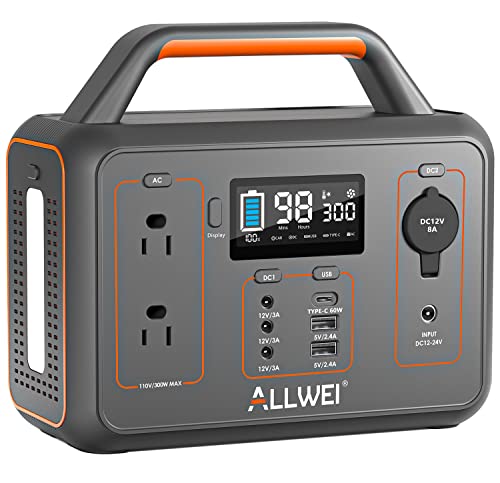
ALLWEI’s 280Wh capacity supports up to 300W continuous output with a pure sine wave AC outlet. It includes three charging modes: AC wall charging, car charging, and solar panel charging. With nine ports total (including USB-C PD 60W, USB-A, car socket, and DC ports), it powers multiple devices at once. The unit emphasizes safety features through a robust battery management system and dual cooling fans for safe operation on outdoor trips or as home backup.
powkey 200W Portable Power Bank

The powkey unit provides a 146Wh capacity and up to 200W from a pure sine wave AC outlet, plus four USB ports and a DC port. It supports fast charging with a 15V/2A DC input and promises a five-to-six-hour recharge. Its pure sine wave output helps protect sensitive electronics, making it suitable for laptops, cameras, and other devices during travel or home emergencies where reliable AC power is needed.
Buying Guide: Key Purchase Considerations And Comparisons
- Capacity and power: For car use and off-grid living, aim for at least 500–1,000Wh if you plan to run larger devices or multiple devices simultaneously, with an output rating capable of handling a fridge, heater, or power tools during outages.
- Recharging options: Prefer models with car charging, wall AC, and at least one fast USB-C PD port. Solar panel compatibility accelerates recharge after an outing or during outages.
- Portability: If you need to stow a unit in a vehicle or carry it on hikes, weight and handle design matter. LiFePO4 chemistries offer longer life for frequent cycles and rough conditions.
- Safety features: Look for short-circuit protection, overcharge protection, thermal management, and accurate battery monitoring to prevent failures on the road.
- Device compatibility: Ensure the power station includes multiple ports (AC outlets, USB-C PD, USB-A) to accommodate laptops, cameras, drones, CPAP machines, and mobile devices.
- Durability and lifespan: Models with advanced battery management and robust construction tend to last longer under outdoor use and frequent charging cycles.
- Price-to-performance: Compare total capacity, usable output, and charging speed against price. A higher upfront cost may yield better long-term reliability and performance.
In evaluating the five selections, consider which combination of capacity, weight, and charging speed best suits your travel pattern—whether you’re camping near an electric vehicle, preparing for a road trip, or relying on off-grid living. Each model balances portability with power, offering different emphasis on speed, power, or longevity to align with diverse needs.