Best Electric Sander for Car Bodywork: Top Picks for Scratches and Paint Preparation
Choosing the right electric sander for car bodywork can speed up dent and scratch repair, remove old paint, and prep surfaces for priming. This guide reviews five reliable models that excel in precision, dust control, and ergonomic comfort. Each option supports vehicle refinishing tasks from minor blemish work to larger panel preparation, helping you achieve a smooth, ready-to-paint surface. Below, a quick summary table highlights key specs to compare at a glance.
| Product | Pad Size | Power (W) | Speed (OPM) | Dust System |
|---|---|---|---|---|
| Autolock Electric Random Orbital Sander | 5″/6″ | 350 | 10,000 | Vacuum port + external dust tube |
| HYCHIKA Detail Sander | 12 pcs + 6″/P80-240 | Unknown | 14,000 | Dust bag with 6-hole system |
| MAXXT Electric 5mm Random Orbital Sander | 6″ | 350 | Up to 10,000 | Not specified |
| BOSCH GET75-6N Electric Orbital Sander | 6″ | 7.5 | Unknown | Multi-hole pad system |
| PHENDO Electric Random Orbital Sander | 6″ | 350 | 10,000 | Built-in overload protection |
Autolock Electric Random Orbital Sander

The Autolock sander combines a brushless motor with interchangeable 5″ and 6″ sanding sheets. Its 10,000 RPM speed supports rapid material removal on bodywork while enabling fine finishing when needed. The professional 5.0 mm eccentric orbit helps minimize visible sanding marks, making it suitable for feathering edges around bumper repairs or filler work. A built-in vacuum port and external dust tube enhance cleanliness by directing dust away from the work area, and an enlarged heat dissipation port helps prevent overheating during extended sessions.
Key advantages for car bodywork include its high durability from a brushless design, versatility with pad sizes, and dust management that reduces prep time before priming. Consider this model if you want a compact, all-purpose sander that can handle both large panels and tighter spots with relative ease.
GALAX PRO 280W 13000OPM Orbital Sander
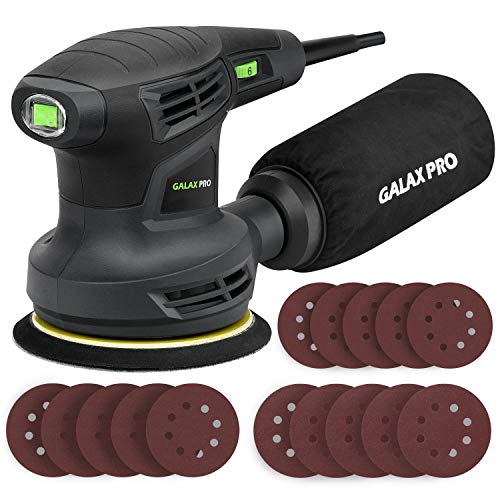
GALAX PRO pairs a 280W motor with 13,000 RPM to deliver strong stock removal on rough body fillers and old paint. Its 5″ pad size balances aggressive material removal with the ability to reach mid-sized panels on a car. The built-in dust collection system reduces airborne dust, helping maintain clear visibility while working on fenders or door skins. A detachable collection bag simplifies cleanup after each session.
For bodywork tasks that demand faster sanding over larger areas, this model offers solid performance and a straightforward dust-control solution, making it a practical option for DIY enthusiasts and professionals alike seeking efficient surface preparation before priming and painting.
HYCHIKA Detail Sander

HYCHIKA offers a compact 14,000 OPM detail sander with a 6″ sanding footprint and a 12-piece sanding paper set (P80, P120, P240). Its quiet, efficient operation makes it ideal for finishing small areas, such as edges around body panels, tight corners, and refinishing spots where precise control is essential. The dust collection system, combined with a 6-hole extraction approach, helps maintain a cleaner work environment during paint removal or rust stripping tasks.
Designed for tight spaces, this sander emphasizes ergonomics and low fatigue, which is beneficial for long sessions smoothing delicate contours and feathering between old and new paint layers on vehicle bodies.
MAXXT Electric 5mm Random Orbital Sander

MAXXT uses a 5mm random orbital motion with a brushless EC motor for smoother operation and extended service life. Two-speed control and rpm adjustments enable precise finish work or faster material removal when prepping larger areas. An electronic brake provides near-immediate pad stopping for safer operation near edges and contours on car bodies. The sander is designed to minimize vibration, reducing user fatigue during lengthy bodywork sessions.
This model suits users who value steady power with controlled sanding behavior, especially when moving from heavy stock removal to fine finishing on curved surfaces like wheel arches or bumper curves.
BOSCH GET75-6N Electric Orbital Sander
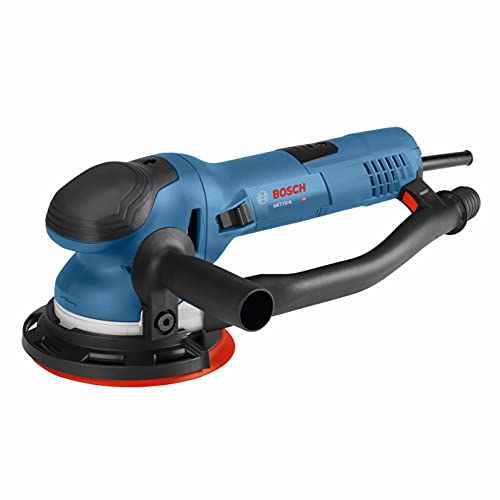
BOSCH GET75-6N provides two sanding modes: a standard random orbit mode for general prepping and a turbo mode for aggressive stock removal. The multi-hole pad system supports a wide range of 6-inch discs, making it adaptable for large panels and rough paint removal on doors and hoods. The turbo option accelerates material removal, useful when addressing heavy corrosion or thick coatings before body filler application. A dedicated dust management path helps keep the work surface clear, which is beneficial when working on vehicle exteriors.
For users needing versatility between finishing and heavy removal on car panels, this model offers a robust balance of speed, control, and pad compatibility, with a focus on reliability and professional-grade performance.
PHENDO Electric Random Orbital Sander

PHENDO offers a brushless 350W motor and a 6″ sanding path with a 10,000 RPM rating. Its Instant Stop feature halts rotation when the handle is released, reducing noise, vibration, and wear—beneficial for bodywork where frequent stops are needed during edge finishing. An ergonomic design with overload protection enhances safety and comfort during overhead use on trunk lids or fenders. The model emphasizes a lightweight feel without sacrificing performance, suitable for long sessions sanding spot repairs and primer adhesion prep.
Buying Guide: Key Purchase Considerations And Comparisons
- Power and speed range: For car bodywork, a sander with at least 300–350W and a broad RPM range helps remove old paint and primer quickly while enabling fine finish on edges and contours. Brushes and brushless EC motors tend to offer longer life and smoother operation.
- Pad size and throw: 5″ to 6″ discs are standard for body panels. A 5″ pad is aggressive for large flat areas; 6″ pads are better for broader surfaces like doors and hoods. Consider dual-pad setups for flexibility.
- Orbital action: Random orbital motion reduces visible sanding swirls, which is crucial for a smooth base prior to primer. Some models offer 1.25 mm to 5 mm eccentric throws; larger throws remove material faster but can require more finishing care.
- Dust collection: Dust management is essential for visibility and surface cleanliness. Look for built-in vacuum ports, dust bags, or compatible external dust extraction systems to minimize debris on the workpiece and surrounding areas.
- Ergonomics and vibration: Lightweight designs with ergonomic grips reduce fatigue during extended sessions. Low-vibration motors help prevent fatigue and hand strain when sanding curved panels.
- Safety features: Instant stop, electronic braking, overload protection, and robust switch design improve control and reduce the risk of accidental injuries during busy bodywork tasks.
- Accessories and discs included: Some models ship with multiple sanding discs (P80–P240) and dust collectors. Packages that include a few options save time preparing the surface for priming and painting.
- Maintenance and durability: Brushless motors generally offer longer life and less maintenance than brushed designs. Consider the availability of replacement pads and filter bags if dust systems are included.
- Price and warranty: Compare warranty terms and customer support. A slightly higher upfront price may be justified by longevity and lower replacement costs.
Overall, the best electric sander for car bodywork balances aggressive material removal with fine finishing capabilities, strong dust control, and comfortable handling. The recommended models provide a mix of brushless reliability, variable speeds, and versatile pad options to cover everything from dented panels to smooth primer prep.