Best Car Gas Treatment Solutions for Cleaner Fuel and Better Performance
Car gas treatment products can help protect your engine, improve fuel economy, and maintain fuel system cleanliness. This article highlights five top options designed to treat gasoline, stabilize fuels, and reduce deposits. Use these picks to keep engines running smoothly across seasons and varying fuel quality.
| Product | Brand | Key Benefit |
|---|---|---|
| Lucas Oil 10003 Fuel Treatment – 1 Quart | Lucas Oil | Clean and lubricate fuel system; increases MPG |
| Lucas Oil 10020 Upper Cylinder Lube/Fuel Treatment – 5.25 fl oz. | Lucas Oil | Upper-cylinder lubrication; improves MPG and performance |
| Chevron Techron Concentrate Plus Fuel System Cleaner, 12 oz | Chevron | Restores power and cleans entire fuel system |
| STP Ultra 5 In 1 Fuel System Cleaner, 12 Fl Oz | STP | Deep cleans fuel system; reduces engine friction |
| STA-BIL Storage Fuel Stabilizer, 32 oz | STA-BIL | Keeps fuel fresh; protects against corrosion |
These options cover cleaning power, fuel stabilization, intake valve cleanliness, and injector protection. The selections balance established brands with a range of bottle sizes to fit both casual motorists and those who store vehicles seasonally. Each product is compatible with standard gasoline engines and designed to maintain fuel system integrity under typical driving conditions.
Lucas Oil 10003 Fuel Treatment – 1 Quart

The Lucas Oil 10003 Fuel Treatment is marketed as a versatile tune-up in a bottle for both gasoline and diesel engines. It is designed to clean and lubricate the fuel system, including injectors, carburetors, and the combustion chamber, while contributing to MPG improvements. The formula supports engine performance by addressing deposits and fuel system wear, aiming for smoother operation across a range of driving conditions.
Lucas Oil 10020 Upper Cylinder Lube/Fuel Treatment – 5.25 fl oz.

This product combines upper-cylinder lubrication with fuel system treatment. It is positioned to improve engine performance by reducing friction in the upper cylinders and treating gasoline, diesel fuel, and related components. Improvements in fuel economy and smoother performance are highlighted outcomes, alongside cleaning and lubrication of critical fuel-system parts.
Chevron Techron Concentrate Plus Fuel System Cleaner, 12 oz

Chevron Techron Concentrate Plus is a concentrated fuel system cleaner designed to clean, restore, and protect the entire fuel system. It targets fuel injectors, carburetors, intake valves, and combustion chambers, with a focus on restoring lost power and fuel economy. The product also aims to reduce rough idle, engine surge, hesitations, and spark plug fouling, contributing to smoother acceleration and overall efficiency.
STP Ultra 5 In 1 Fuel System Cleaner, 12 Fl Oz
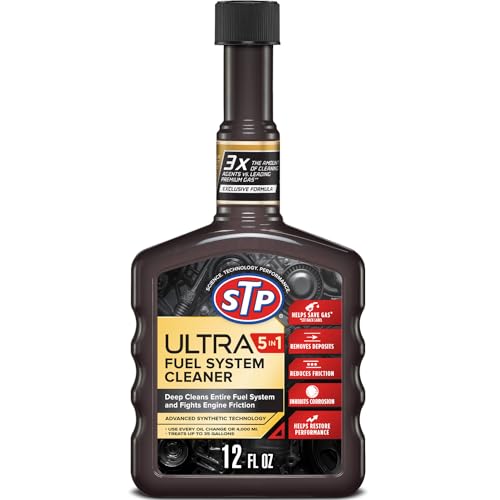
STP Ultra 5 In 1 Fuel System Cleaner provides deep cleaning of the entire fuel system with a blend of PEA and PIBA detergents. It aims to remove harmful deposits and reduce engine friction, helping engines run more efficiently. The formula is marketed as offering higher cleaning strength compared to leading premium gasoline, supporting smoother operation and potential MPG benefits when used regularly.
STA-BIL Storage Fuel Stabilizer, 32 oz
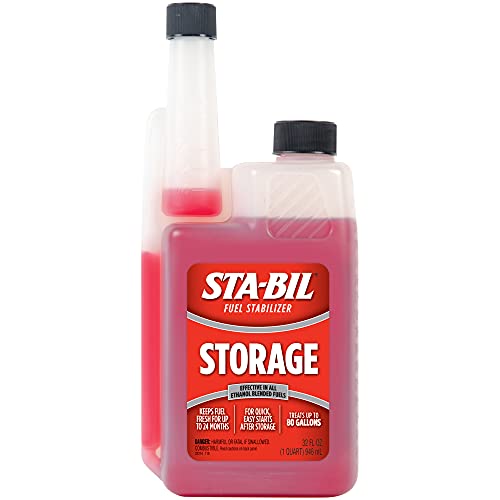
STA-BIL Storage Fuel Stabilizer is designed to keep gasoline fresh for up to 24 months and provide corrosion protection. It is suitable for both 2-cycle and 4-cycle engines and helps prevent problems associated with ethanol-blended fuels. This product is particularly useful for vehicles stored for extended periods, helping to maintain fuel quality and prevent fuel-system issues during startup.
Buying Guide: Key Purchase Considerations
Purpose and engine type: Choose a fuel treatment that matches your engine type (gasoline vs. diesel) and your primary goal—cleaning deposits, stabilizing fuel, or lubricating moving parts. For regular driving, a cleaner that targets injectors and intake valves can improve efficiency and throttle response. If you store your vehicle, stabilizers are essential to preserve fuel quality.
Concentration and bottle size: Concentrated formulas often require dosing per vehicle size or fuel volume. Consider bottle size based on how frequently you drive or how long you intend to store fuel. Larger bottles may offer better per-ounce value for frequent users.
Detergent chemistry: Look for detergents such as PEA (polyetheramine) and PIBA (polyisobutylene amine) blends, which are known to remove varnish and deposits from the fuel system. Different blends can affect cleaning strength and fuel compatibility.
Fuel system scope: Some products emphasize cleaning only the fuel injectors, while others claim to treat the entire fuel system, including intake valves, combustion chambers, and fuel gauges. Determine whether you want a focused or comprehensive treatment.
Maintenance vs. storage: If you drive year-round, a maintenance cleaner used periodically can help sustain performance. If you store your vehicle for months, pairing a cleaner with a stabilizer can help preserve fuel quality and protect corrosion-prone components.
Compatibility and warnings: Check vehicle manufacturer guidelines for fuel additives and ensure compatibility with ethanol blends (E10, E15, etc.). Follow dosing instructions to avoid potential engine issues.