Best Fuel Additives for Ethanol Gas
Choosing the right fuel additive helps protect engines and stabilize ethanol blends, reducing varnish, corrosion, and fuel system deposits. The following选 items are among the most widely used to improve stability, prevent phase separation, and keep engines starting reliably after storage or periods of inactivity. Each product below is compatible with ethanol-blended fuels and designed to extend fuel life and performance across small engines, outdoor power equipment, and marine applications.
| Product | Brand | Key Benefit | Approx. Size |
|---|---|---|---|
| Ethanol Shield Fuel Stabilizer | Ethanol Shield | Antioxidants and anticorrosives; phase separation inhibitor | 24 oz (2 pack) |
| Lucas Oil Ethanol Fuel Conditioner | Lucas Oil | Cleans injectors and protects fuel system | 16 oz |
| STAR BRITE Star Tron Enzyme Fuel Treatment | STAR BRITE | Enzyme-based stabilization and ethanol problem prevention | 8 oz |
| STA-BIL Storage Fuel Stabilizer | STA-BIL | Keeps fuel fresh for storage and prevents corrosion | 32 oz |
| STA-BIL 360 Marine Ethanol Treatment & Stabilizer | STA-BIL | Fuel system cleaner and corrosion protection for marine engines | 32 oz |
Ethanol Shield Stabilizer 24 oz (2 Pack)

Ethanol Shield Fuel Stabilizer combines antioxidants and anticorrosives with a proprietary top-tier detergent to protect fuel systems in ethanol-blended fuels. The product helps reduce varnish and gum formation, supporting cleaner combustion over time. Its phase separation inhibitor aims to minimize ethanol separation from gasoline during storage, which is especially important for seasonal equipment and boats. The 24-ounce bottle is designed for two-container coverage, offering a cost-efficient solution for households with multiple engines or long-term storage needs. This stabilizer is formulated to maintain fuel quality and protect critical components in aging engines.
Features include a proprietary blend that targets fuel system cleanliness and storage stability. The product claims to lower the need for higher octane as engines age, potentially helping older equipment maintain reliable performance. It is suitable for gasoline engines used in garden equipment, cars, boats, and small motors that often sit idle for extended periods. As with any fuel additive, follow label directions for dosage and application timing, especially when fuel sits for months at a time.
Lucas Oil Ethanol Fuel Conditioner with Stabilizers

Lucas Oil 10576 Safeguard Ethanol Fuel Conditioner adds stabilizers to ethanol fuels, helping to prevent varnish and gum formation in ethanol blends. The conditioner is designed to stabilize fuel and protect critical components such as injectors, valve seats, and combustion chambers. It claims to combat deposits and preserve engine oil lubricants from the harmful effects of alcohol combustion. This product is positioned for a range of engines, including small engines and vehicles that operate on ethanol-containing fuels. Regular use can help maintain consistent engine performance and mitigate ethanol-related harshness in starting and idling.
Key features include cleaning action for fuel system components and a focus on preventing ethanol-induced deposits. By stabilizing gasoline and ethanol blends, Lucas Oil aims to reduce wear and improve overall engine longevity. As with all fuel additives, adherence to recommended dosages is important to avoid over-treatment, which could alter fuel chemistry or affect emissions equipment. This product is suitable for lawn equipment, motorcycles, and light-duty vehicles that regularly encounter ethanol fuels.
STAR BRITE Star Tron Enzyme Fuel Treatment – 8 oz

Star Tron Enzyme Fuel Treatment uses advanced enzyme technology to help engines start easily and run smoothly after periods of inactivity. It is designed to prevent and cure ethanol-related problems such as rough idling and reduced fuel economy. The formula aims to break down gum, varnish, and carbon deposits, promoting a cleaner fuel delivery system and potentially improving efficiency. This option is marketed for small engines, boats, and portable equipment that may experience ethanol-related performance dips during storage or seasonal use.
The Enzyme Fuel Treatment emphasizes both prevention and rejuvenation of older gasoline. By maintaining a cleaner fuel system, it can contribute to better mpg and smoother operation. When used as directed, it integrates with a variety of fuels and engines. For best results, apply according to the manufacturer’s dosing instructions, especially if using with mixed fuel types or after a long storage period.
STAR BRITE Star Tron Enzyme Fuel Treatment – 16 oz

This larger Star Tron bottle provides extended treatment coverage, treating up to 96 gallons of fuel per bottle and offering similar benefits to the 8-ounce version. It targets ethanol-related issues, including rough idle and reduced fuel economy, by maintaining a cleaner fuel system and preventing gum buildup. The enzyme delivery is designed to work with various engines, from small outdoor equipment to watercraft, helping engines start easily after periods of inactivity and maintain performance during use. As with the smaller bottle, follow dosing directions and consider engine type and storage duration when applying.
STA-BIL Storage Fuel Stabilizer 32 oz
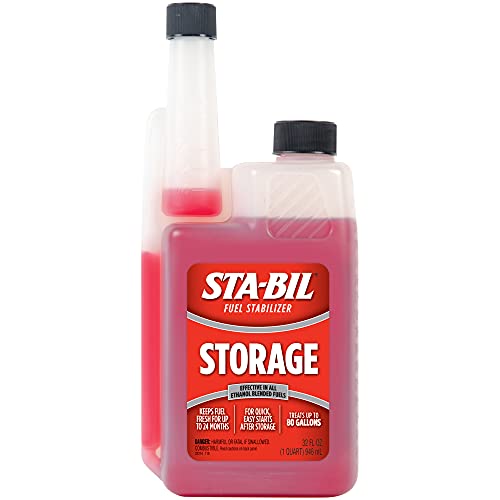
STA-BIL Storage Fuel Stabilizer is formulated to preserve fuel for storage up to 24 months, helping protect against corrosion and ethanol-related problems. It is designed for cars, boats, and outdoor power equipment that may sit unused for extended periods. The product emphasizes corrosion protection and maintaining fuel integrity during storage to ensure quick starts and reliable performance when the equipment is brought back into service. It is compatible with all gasoline blends, including ethanol-containing fuels, making it a versatile option for seasonal storage needs.
Its storage-focused design highlights a straightforward approach to maintaining fuel quality during off-season use. While construction and storage practices vary, users commonly rely on stabilizers to prevent phase separation and minimize water accumulation, both of which can affect engine performance. For best results, store fuel in appropriate containers and follow label dosage recommendations to ensure effective protection over time.
STA-BIL Storage Stabilizer – 8 oz
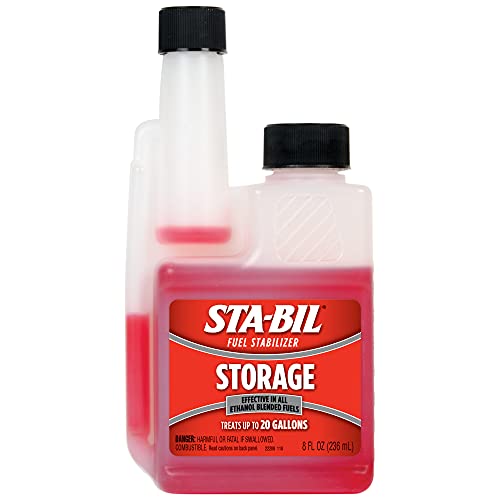
STA-BIL Storage Stabilizer in an 8-ounce bottle focuses on preserving gasoline for storage periods, including winterization for vehicles not in use. It helps prevent corrosion and supports quick starts when fuel is retrieved for use. The product is designed for both ethanol-blended and non-ethanol fuels, maintaining fuel system integrity and reducing the risk of deposits during storage. This smaller option is convenient for households with limited storage space or for use in smaller engines, such as snow blowers or portable generators.
When using any storage stabilizer, ensure correct dosing and store the stabilized fuel in appropriate containers. Regular checks on storage equipment, ventilation, and container integrity help maximize the benefits of stabilizers like STA-BIL in protecting fuel systems from ethanol-related effects during extended storage periods.
Buying Guide: Key Considerations For Ethanol Fuel Additives
- Storage duration: If fuel sits idle for months, prioritize stabilizers with proven long-term storage protection and phase-separation inhibitors.
- Engine type and use case: Choose formulas tailored for small engines, boats, or marine applications if your use spans multiple environments.
- Detergent and cleaner content: Enzyme-based or detergent-heavy formulas help reduce deposits; this supports longevity of injectors and fuel lines.
- Corrosion protection: Ethanol blends are more corrosive; look for additives offering robust antifouling and anticorrosive properties.
- Ease of use: Consider bottle size, dosing instructions, and compatibility with mixed fuel types to match your maintenance routine.
- Compatibility: Ensure the product explicitly lists compatibility with ethanol blends (E10, E15, etc.) and your engine’s specifications.
- Application frequency: Some products are designed for regular use, others for seasonal storage; plan usage around your fueling and storage cycles.
- Cost efficiency: Compare per-gallon treatment coverage (gallons treated per bottle) to determine long-term value, especially for multi-engine households.
- Environmental and safety considerations: Check for any warnings and proper disposal guidelines for spent fuel or containers.