Best SBC Heads for Drag Racing: High-Performance Small Block Chevy Upgrades
For drag racers aiming to squeeze every ounce of power from a small-block Chevrolet, selecting the right cylinder head is essential. The following SBC heads and components are chosen for performance, durability, and compatibility with popular drag racing setups. This guide highlights 5 relevant products, explains what to consider when upgrading, and compares options to help you decide which head and related hardware best suit your race goals.
| Product | Brand | Key Benefit |
|---|---|---|
| Speedway Motors SBC Small Block Chevy V8 Cylinder Head Bolt Set | Speedway Motors | OEM-quality bolts with high proof loads for reliable head sealing |
| GELUOXI Cylinder Head Assembly Aluminum Replacement | GELUOXI | Lightweight aluminum components for SBC 350/327/383 families |
| DNA Motoring CYLH-SBC-350 Aluminum Bare Cylinder Head | DNA MOTORING | Aluminum head with specific port and chamber specs for older SBC engines |
| ARP Head Stud Kit | ARP | High-strength head studs for secure clamping in high-performance builds |
| Additional Notes | All items suited for SBC drag applications and compatible with common small-block platforms |
Speedway Motors SBC Small Block Chevy Bolt Set

The Speedway Motors 34-piece cylinder head bolt set is designed for OEM-quality performance on small-block Chevy V8 engines. Each bolt is formulated for strong engagement with cast iron heads, featuring sealant-coated threads to prevent leakage and ensure consistent clamping. The hardware demonstrates a high-load capacity, supporting reliability in demanding drag racing conditions. This kit is intended to help prevent downtime due to bolt-related head failures, making it a practical preventive upgrade for race teams seeking durable fasteners that maintain torque integrity under racing stress.
GELUOXI Aluminum Cylinder Head Assembly (Replacement)

The GELUOXI replacement head is built for Chevy SBC engines such as the 350, 327, and 383 families. Made from aluminum to reduce weight and improve response, this head serves as a replacement solution for mid- and high-performance builds. It aligns with common OEM numbers to facilitate compatibility with various configurations, including Corvette and Camaro platforms. This option is useful for teams seeking a balance between weight reduction and race-ready port-to-chamber geometry, while maintaining overall engine reliability in drag settings.
DNA Motoring CYLH-SBC-350 Aluminum Head
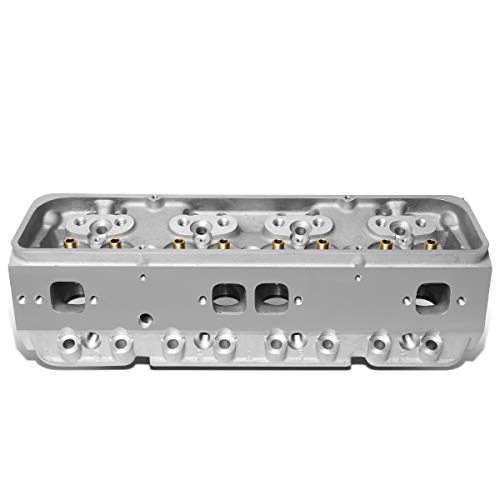
The DNA Motoring CYLH-SBC-350 is an aluminum bare cylinder head designed for SBC 302, 327, 350, 383, and 400 small-block engines built in 1986 or earlier. The head features specific valve sizes and port characteristics suitable for performance applications, including 2.020″ intake and 1.600″ exhaust valves with square ports. Its design aims to preserve stock compression while enabling improved airflow for noticed gains in mid-to-high RPM ranges, making it a viable choice for bracket racing or street-legal drag builds that require a lighter head with proven compatibility.
ARP 434-1401 Head Stud Kit
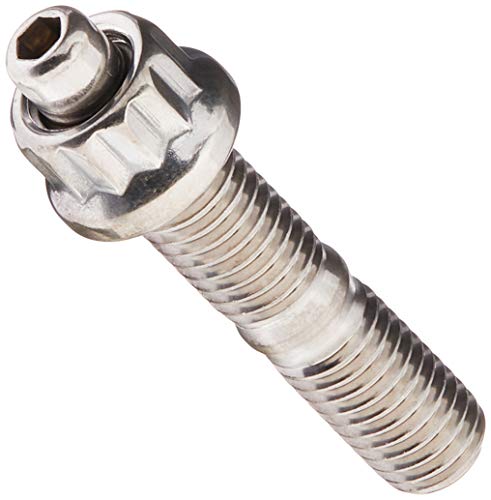
The ARP 434-1401 head stud kit is designed to deliver high-strength fastening for SBC and related small-block configurations, including LT1 and 12-point header applications. This kit focuses on secure clamping under high combustion pressures typical of drag racing, helping to reduce head lift and gasket failures during repeated hard launches. The set originates in the United States and is crafted to meet professional-grade standards, making it a favored upgrade when durability and torque retention matter most in competitive environments.
Buying Guide: Key Purchase Considerations for SBC Drag Racing Heads
- Engine compatibility: Verify that the head design matches your SBC displacement, generation, and fuel system (gasoline vs. nitrous or boosted setups).
- Material and weight: Aluminum heads offer weight reduction and better flow, but may require upgraded components to handle higher RPMs and heat; cast-iron options tend to be stronger at lower cost but heavier.
- Valve geometry and port size: Ensure valve diameter, port volume, and chamber shape align with your RPM range and intended torque curve for drag racing.
- Compression and flow balance: Consider head and piston combos to maintain desired compression ratio while maximizing air intake and exhaust flow for power.
- Hardware quality: High-strength head studs or bolts improve gasket sealing and reduce head lift under load, critical for consistent performance in drag launches.
- Intended use and longevity: Determine whether the build is a race-only platform or dual-use, as this affects material choice, geometry, and maintenance schedule.
- Cost vs. benefit: Weigh the incremental gains from performance heads against installation complexity and ancillary upgrades (valves, springs, retainers, pushrods).
- Warranty and support: Prefer brands with solid technical support and documented performance data to aid in tuning and installation.
Buying Guide: Performance Perspectives and Comparisons
- OEM-quality hardware vs. performance-grade components: Stock-replacement bolts offer reliability, while ARP studs provide superior clamping for high-boost or nitrous setups.
- Aluminum vs. iron heads: Aluminum heads typically deliver better throttle response and weight reduction, but risks may require enhanced cooling and more precise clearances.
- Replacement heads vs. rebuild options: Replacement aluminum heads can reduce weight and add airflow, but ensure compatibility with existing intake and exhaust manifolds for a clean install.
- Port design and chamber volume: Heads with larger intake ports and optimized chambers suit higher RPM and higher horsepower targets; keep chamber volume aligned with compression goals to avoid detuning the engine.
- Long-term maintenance: Higher-performance components may necessitate more frequent maintenance checks, especially after hard launches or sustained high RPM activity.