Best Brake Fluid for Racing: High-Temp DOT 4 Options
Racing demands brake fluids that stay stable under extreme temperatures, resist vapor lock, and maintain consistent pedal feel. The right fluid can help prevent brake fade, protect components, and optimize performance on track. This guide highlights top DOT 4 and high-temperature racing fluids from trusted brands, with quick-buy options to support competitive driving across American tracks. Below, you’ll find a quick product summary and in-depth sections for five standout choices, followed by a buying guide to help you compare features like boiling point, moisture resistance, and compatibility with ABS systems.
| Product | Brand | Type | Key Benefit |
|---|---|---|---|
| Motul RBF 600 DOT 4 | Motul | 100% Synthetic, DOT 4 | Extreme heat resistance |
| Castrol SRF Racing | Castrol | Racing Fluid, DOT 4 | Very high boiling point |
| Wilwood 570 Hi-Temp | Wilwood | DOT 3, Hi-Temp | High heat stability |
| ATE Original TYP 200 | ATE | DOT 4 | Excellent corrosion protection |
| Valvoline DOT 3 & 4 | Valvoline | DOT 3 & 4 Synthetic | Strong vapor lock resistance |
Note: All products listed are designed for high-performance or racing applications. Always consult your vehicle’s manual and follow race regulations for fluid compatibility with ABS, ESP, or other stability systems.
Motul RBF 600 Racing Brake Fluid- 100% Synthetic DOT 4

Product: Motul RBF 600 is a 100% synthetic, DOT 4 racing brake fluid designed for hydraulic actuator systems. It offers extreme thermal resistance and stability, minimizing fluid boil under demanding track conditions. Suitable for high-temperature braking, it helps sustain braking performance and pedal feel during extended sessions. The formulation is non-silicone, aligning with expectations for modern racing brake systems.
Castrol SRF Racing Brake Fluid

Castrol SRF Racing Fluid is engineered for demanding racing conditions with an exceptionally high boiling point and superior anti-vapor lock properties. It’s designed to maintain braking efficiency during rigorous rallies and circuits, helping drivers stay consistent under peak temperatures. Typical wet boiling point is listed around 270°C, indicating strong performance in sustained heat. This fluid is intended for high-performance braking systems where reliability is critical.
Wilwood Brake Fluid, 570 Hi-Temp Racing DOT 3

Wilwood’s 570 Hi-Temp Racing fluid is designed for universal fit and high-temperature environments. As a DOT 3 design, it provides adequate resistance to boiling under moderate to intense track sessions, and its formulation supports stable pedal feel during aggressive braking events. It’s packaged in a convenient 12 oz bottle for easy top-offs and track-day use. This fluid is a solid option for vehicles with sport or track-oriented braking setups that do not require a DOT 4 specification.
ATE Original TYP 200 Racing Fluid
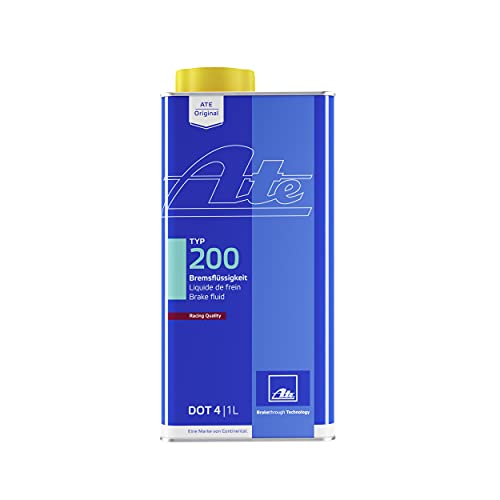
ATE Original TYP 200 is a DOT 4 racing-grade brake fluid noted for minimal boiling point loss due to water-locking properties. It’s formulated to reduce foaming during filling and bleeding and includes additives that provide corrosion protection. This makes it a dependable choice for endurance events and performance driving where consistent brake pressure is essential and system longevity is a priority.
Valvoline DOT 3 & 4 Synthetic Brake Fluid

Valvoline’s DOT 3 & 4 synthetic brake fluid is designed for compatibility with ABS and hydraulic disc and drum brakes. It mixes well with conventional fluids and features a low-moisture formula to enhance vapor lock protection. This option is versatile for street cars that see occasional track use or for teams seeking a reliable, generally compatible racing fluid across different systems.
Buying Guide: Key Considerations For Racing Brake Fluids
Purpose and compatibility matter most: racing fluids must resist boiling, minimize moisture-related degradation, and remain-compatible with ABS or stability control. When selecting a fluid, consider the following perspectives:
- Boiling Point And Vapor Lock: Higher boiling points reduce the risk of vapor lock during hard braking. For endurance racing, fluids with very high dry boiling points and good moisture resistance are preferred.
- Compatibility With ABS And Clutches: Some fluids are formulated specifically for hydraulic clutch systems or ABS-equipped brakes. Confirm compatibility with your vehicle’s braking and clutch architecture.
- Moisture Absorption: Fluids that resist moisture absorption maintain performance longer, reducing corrosion risk and keeping pedal feel consistent.
- Flammability And Safety: Racing fluids are flammable; handle and store per manufacturer safety data. Use appropriate containers and follow ventilation guidelines.
- Packaging Size And Availability: For frequent track sessions, consider bottle size and ease of top-offs. Some teams prefer 500 ml or 1 liter options depending on pit workflows.
- Brand And Track Regulations: Reputable brands often align with FIA or other sanctioning bodies. Check if your series mandates specific fluid types or specs.
- Maintenance Schedule: Regular bleeding intervals and replacement timelines help maintain consistent pedal feel and prevent unexpected fade during events.
In summary, choose a fluid with a proven high-temperature profile, superior vapor lock resistance, and compatibility with your braking system. For many race applications, Motul RBF 600 and Castrol SRF have strong track records for sustained performance, while Wilwood, ATE, and Valvoline offer reliable bets for a variety of configurations. Always verify that your brake system’s seals and ABS components are compatible with the chosen fluid to ensure peak race-day reliability.