Best Car Engine Oil Additives for Smoother Operation and Less Wear
Engine oil additives can help reduce wear, quiet engine noise, and improve overall efficiency. This guide reviews five popular options, focusing on high-mileage needs, wear protection, and compatibility across gas and diesel engines. Each product is evaluated for performance, compatibility, and practical benefits for American drivers.
| Product | Brand | Key Benefit |
|---|---|---|
| Lucas Oil 10118 High Mileage Oil Stabilizer | Lucas Oil | Minimizes wear in high-mileage engines |
| LIQUI MOLY Cera Tec 20002 | Liqui Moly | Ceramic wear protection, reduced friction |
| LIQUI MOLY Motor Oil Saver | Liqui Moly | Reduces oil consumption, seals leaks |
| Prolube Oil Treatment (1QT) | Prolube | Increases horsepower, reduces noise and wear |
| TriboTEX Nano Oil Additive | TriboTEX | Diamond-like carbon coating for smoother wear |
id=”lucas-high-mileage”>Lucas High Mileage Oil Stabilizer
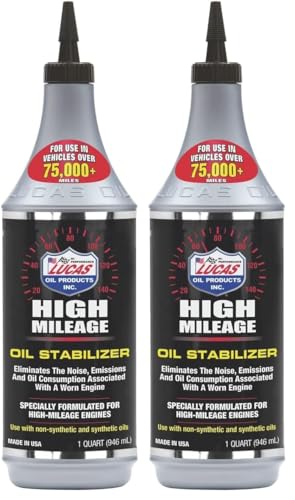
Lucas Oil 10118 High Mileage Oil Stabilizer is designed to lubricate internal engine parts and minimize wear, particularly in aging engines. It aims to reduce noise, emissions, and oil consumption associated with worn engines. The formula targets lubrication and protection across vital engine components, helping maintain performance in older units.
id=”lucas-heavy-duty”>Lucas Heavy Duty Oil Stabilizer

This product is marketed as the world’s #1 oil additive. It is formulated with 100% petroleum and is presented as suitable for use in new engines. The focus is on reducing wear and enhancing lubrication, with a lightweight option intended for broad compatibility across engine types.
id=”ceratec”>LIQUI MOLY Cera Tec Ceramic Additive

Liqui Moly Cera Tec 20002 adds ceramic wear protection designed to reduce friction and improve smoother engine performance. It is mixable with most motor oils and remains stable under high thermal and dynamic loads. The formulation aims to be compatible with common filter systems and to avoid deposits while delivering durable wear protection.
id=”oil-saver”>Liqui Moly Oil Saver

Liqui Moly Motor Oil Saver is designed to reduce oil consumption by addressing piston rings and valve guides. It also helps prevent blue smoke, smokey exhaust, and leaks at elastomeric seals. This additive focuses on maintaining oil integrity and reducing inefficiencies related to oil loss.
id=”prolube-qt”>Prolube Oil Treatment (1QT)
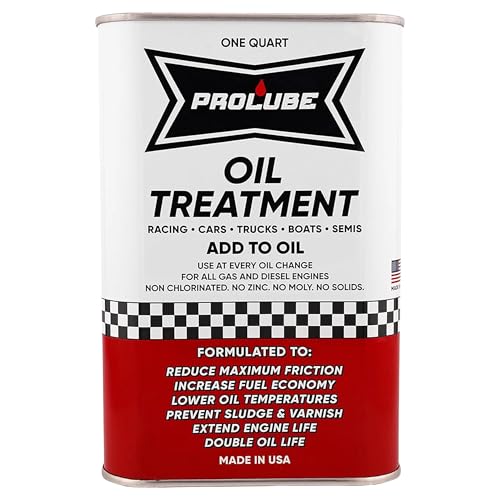
Prolube Oil Treatment emphasizes engine performance by increasing horsepower, reducing noise and vibrations, and improving fuel efficiency. The formula claims to extend engine life by strengthening lubrication and reducing wear, with benefits expected across daily driving and heavier-duty use.
id=”tribotex”>TriboTEX Nano Oil Additive
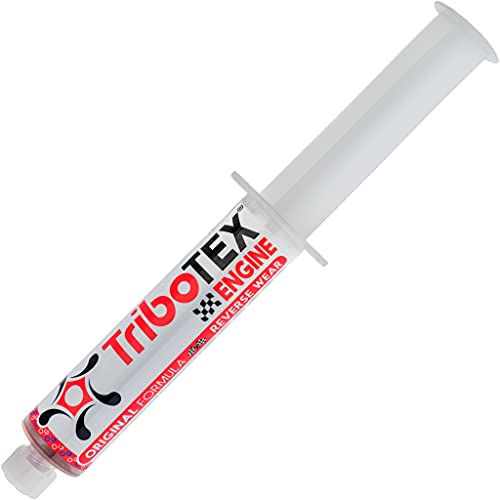
TriboTEX Nano Oil Additive uses synthetic nanoparticles designed to form a diamond-like carbon coating on bearings, aiming to reverse wear and smooth operation. It is described as universal, compatible with all motor oils, and suitable for both gasoline and diesel engines, making it a versatile option for various vehicles.
Buying Guide
- Engine type and miles: High-mileage engines may benefit from stabilizers that target wear and oil consumption, like Lucas High Mileage products or Liqui Moly offerings.
- Friction reduction vs. sealing: Ceramic wear protectors such as Cera Tec focus on reducing friction, while other additives emphasize sealing and oil retention, such as Liqui Moly Oil Saver.
- Oil compatibility: Most additives are designed to mix with conventional or synthetic oils. Verify compatibility with your current oil type and vehicle warranty requirements.
- Vehicle usage: For daily commuter cars, noise reduction and smoother idle can be valuable. For trucks or high-load applications, stabilizers aimed at wear resistance and thermal stability may be preferred.
- Application scope: Some products target engines only, while others claim benefits for transmissions and differentials. Choose based on where you want the improvement.
- Potential downsides: Some additives may alter filter performance or interact with specific seals. Read ingredient lists and consult the manufacturer if you have sensitive systems.