Best Boost Controller on the Market for Turbo Cars
Choosing the right boost controller helps you optimize turbo response, maximize horsepower, and improve efficiency. This guide reviews five Amazon-listed options, covering manual and electronic controllers, compatibility notes, and build quality. Each product section includes key features to compare performance, ease of use, and reliability for American enthusiasts seeking better throttle response and consistent boost control.
| Product | Brand | Key Feature |
|---|---|---|
| GReddy Profec Electronic Boost Controller | GReddy | Electronic control with precise boost adjustments |
| FORLETOR Manual Boost Controller Kit | FORLETOR | 1-30 PSI range, aluminum alloy, universal use |
| Ejoyous Dual Stage Electronic Turbo Controller | Ejoyous | Two regulators for fast/slow adjustments |
| GFB D Boost V2 Manual Boost Controller | GFB | VNT/VGT compatibility, precise fit |
| Hydrangea Fertilizer | Flora’s Market | Controlled release, slow growth support |
GReddy Profec Electronic Boost Controller
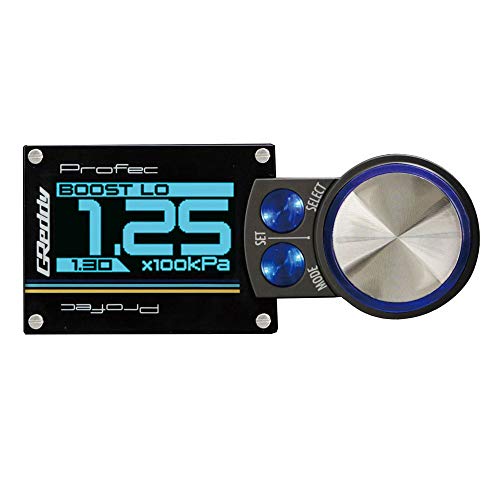
The GReddy Profec Electronic Boost Controller (15500214) is designed to provide electronic control over turbo boost levels. It enables precise adjustment of boost targets, enabling drivers to fine-tune response and performance. The device is tailored for enthusiasts who want repeatable boost behavior across driving conditions, with a straightforward interface suitable for vehicles with turbochargers. Built to withstand typical automotive heat and vibration, it emphasizes reliability in daily driving and track sessions alike. Users should consider compatibility with their ECU, wiring harness, and sensor setup when evaluating installation effort and integration with existing tuning configurations.
FORLETOR Manual Boost Controller Kit

The FORLETOR Manual Boost Controller Kit offers a 1-30 PSI adjustment range with a 4AN hose connection for straightforward installation. Its aluminum alloy construction promises durability under elevated temperatures and prolonged use. The design emphasizes a locking mechanism for stable boost pressure settings, aiming to reducefluctuations during shifts and throttle changes. This option is well-suited for users who prefer a mechanical approach to boost control and want a robust, universal kit that can be adapted to a wide range of turbocharged engines.
Ejoyous Dual Stage Electronic Turbocharger Boost Controller Kit
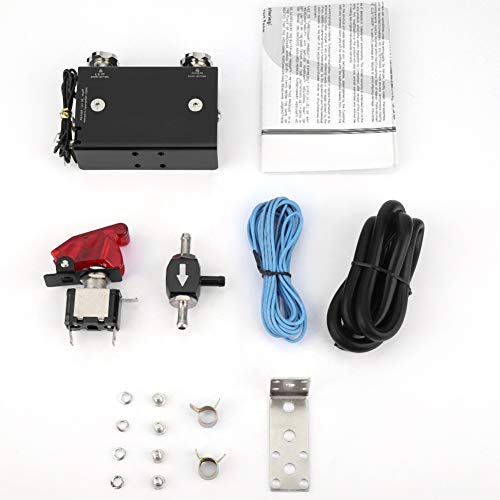
The Ejoyous Dual Stage Electronic Turbocharger Boost Controller Kit adds two regulators for flexible turbo boost control. The kit supports quick high-boost settings and a slower, more stable low-boost option, allowing drivers to toggle between modes for different driving scenarios. Constructed from aluminum for strength and heat resistance, the unit is designed for long-term use. It is suitable for various turbocharged engines and emphasizes ease of adjustment, enabling users to balance performance with fuel economy and reliability in daily driving and performance-oriented use cases.
Go Fast Bits – D Boost V2 Manual Boost Controller
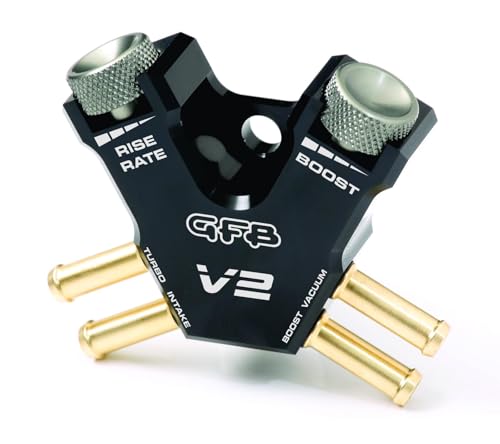
The Go Fast Bits D Boost V2 is a manual boost controller designed for VNT and VGT turbo systems. The unit emphasizes precise fit and chosen materials to ensure dependable operation under varied boost pressures. It is promoted for its straightforward function and compatibility with certain variable geometry turbo setups. Key considerations include verifying vehicle compatibility with VNT/VGT configurations and assessing whether a manual approach aligns with your tuning strategy and maintenance expectations.
Hydrangea Fertilizer – Nursery Grade

Note: This product is listed in the provided set but is not a boost controller. It features a coated prill for slow, steady nutrient release and is designed to minimize overdosage and root damage, making it suitable for nursery-grade hydrangeas. While not directly relevant to turbo boost control, it is included to illustrate the diversity of items in the listing and to highlight how different categories emphasize controlled delivery and reliability in their respective domains.
Buying Guide: Key Purchase Considerations
Selecting the right boost controller involves evaluating several factors. First, determine your engine’s turbo setup: does it use a traditional wastegate, a VNT/VGT system, or non-variable geometry? Electronic controllers generally offer finer boost targeting and data logging, but may require more complex installation and compatibility checks with your ECU. Manual controllers are simpler, robust, and often more affordable, but demand precise user adjustments and may lack automatic compensation for temperature or altitude changes.
- Fueling and engine management compatibility: Ensure the controller works with your existing ECU tuning and fuel system to avoid overboost risks or lean conditions.
- Boost range and response: Decide whether you want a wide adjustment range (e.g., 1-30 PSI) and whether you need fast-responding boost changes or staged control for different driving modes.
- Installation complexity: Electronic controllers usually require wiring, sensors, and sometimes a mapping strategy. Manual controllers are typically easier to install but require careful calibration.
- Durability and materials: Aluminum housings and heat-resistant components help longevity in high-heat engine bays, especially under sustained boost and track use.
- Maintenance and reliability: Consider availability of replacement parts and what kind of monitoring or fault handling the controller provides.
- Vehicle compatibility: Some controllers are optimized for VNT/VGT turbos, while others suit standard fixed-geometry setups. Confirm fitment with your specific model year and turbocharger.
- Cost vs. benefit: Higher-end electronic units may offer data logging, multi-boost modes, and presets, while manual units emphasize simplicity and ruggedness.
When evaluating options, compare user reviews about boost stability, ease of calibration, and how well the unit maintains target boost under varying driving conditions. Regulatory considerations and warranty terms can also influence long-term satisfaction, especially for daily drivers versus race-focused builds.