Best Heat Insulation for Car Floor: Top Insulation Mats for Cooler, Quieter Rides
Protecting your car’s interior from heat and noise improves comfort, reduces heat soak in summer, and helps preserve resale value. This guide highlights five effective heat insulation mats designed for car floors, doors, trunks, and more. Each option balances radiant heat blocking with sound dampening, adhesive ease, and moisture resistance. Read on to compare materials, thicknesses, and installation notes to find the right fit for your vehicle environment.
| Product | Brand | Approx. Coverage | Key Benefit |
|---|---|---|---|
| Car Heat Sound Deadening Insulation Mat, 394 Mil, 40×40 in | ALLWIN | 10.8 sqft | High heat resistance; strong radiant heat blocking |
| Siless Liner 157 Mil, 4 mm, 36 sqft | Siless | 36 sqft | Excellent thermal barrier with closed-cell foam |
| Siless Liner 157 Mil, Aluminum Finish, 36 sqft | Siless | 36 sqft | AluFoil finish for enhanced heat reflectivity |
| Zhengmy Car Heat Sound Insulation Mat, 53.9 sqft | Zhengmy | 53.9 sqft | Large roll with dual rollers; robust heat and sound dampening |
| Fourub 590 Mil Thick Car Insulation Mat | FOURUB | Varies by sheet size (typical installs) | Thick, flame-retardant; strong heat and sound reduction |
Overview: The products above cover a range from compact, budget-friendly mats to thick, high-insulation options. When choosing, consider thickness, coverage area, adhesive backing, moisture resistance, and operating temperature. These features influence installation ease, durability, and how well a mat blocks engine heat, road vibration, and summer heat buildup inside the cabin.
ALLWIN Car Heat Sound Deadening Insulation Mat (40×40 Inches)

The ALLWIN insulation mat offers a nominal thickness of 394 mils and a total coverage of 10.8 square feet. Its generous 40×40 inch sheet provides broad coverage for engine bays, floors, or trunk liners. Operating temperature ranges from -40°F to 300°F, enabling heat blocking for both hot summer days and cold winters. The material is a waterproof, lightweight thermal deadener with a highly compressible closed-cell foam that does not absorb moisture and has no odor. Its self-adhesive backing aids straightforward installation, making it a practical option for DIY enthusiasts aiming to reduce radiant heat transfer by up to 98%. This mat is designed to quiet engine and exhaust noise while resisting moisture ingress.
What to consider: Larger sheets may require trimming to fit specific vehicle contours. Check surface cleanliness before application; proper bonding is essential for long-term performance. This option is well-suited for users needing strong heat protection across sizable areas, including engine compartments and under floors near heat sources.
Siless Liner 157 Mil (4 mm) 36 Sq Ft
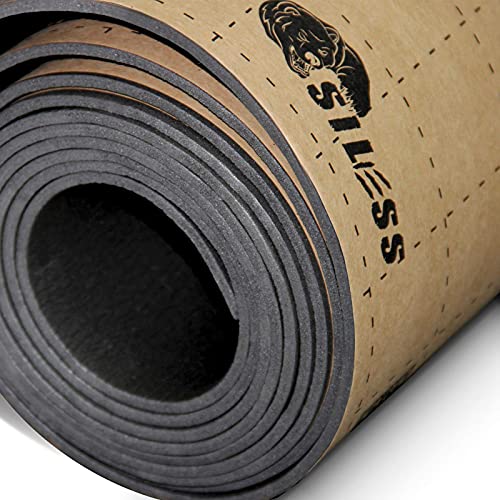
This Siless liner uses closed-cell polyethylene foam, delivering excellent oil resistance and a robust adhesive backing for a secure install. The 157 mil thickness provides strong thermal insulation and heat blocking, helping keep the cabin cooler in summer and warmer in winter. The product is lightweight, waterproof, and odor-free, with flexibility that eases installation on curved surfaces. The closed-cell structure minimizes moisture absorption, contributing to long-lasting performance in varied climates. Overall, Siless Liner offers a cost-effective balance of thermal protection and quieting properties for car floors and other flat panels.
Considerations: The adhesive must be properly applied to ensure a durable bond on clean, dry surfaces. This option is particularly appealing for budget-conscious buyers seeking dependable insulation with straightforward installation.
Siless Liner Aluminum Finish (157 Mil), 36 Sq Ft

This variant adds an aluminum foil finish to the closed-cell foam core, boosting radiant heat reflectivity. The 157 mil thickness remains, with a 100% adhesive backing to simplify installation. The aluminum layer contributes to improved thermal resistance against sun exposure and engine heat, potentially reducing interior heat gain more effectively than standard foam-only mats. It remains lightweight, waterproof, and odor-free, with a flexible material that conforms to irregular shapes when pressed and trimmed properly.
Key notes: Aluminum-faced sheets can be advantageous in high-heat environments or areas with direct sun exposure. Ensure surface preparation and careful cutting to preserve the reflective surface and adhesive integrity during installation.
Zhengmy Car Heat Sound Insulation Mat, 53.9 Sq Ft

This Zhengmy product arrives as a large roll, delivering about 53.9 square feet of material. The kit includes two muffler rollers for easier handling and shaping. The insulation uses high-density sponge pores in the foam to improve sound absorption while providing thermal protection. It’s water-resistant and oil-resistant, with high-temperature tolerance to reflect and block sun/engine heat. The roll format is advantageous for covering larger surfaces—ideal for installers working on vehicles with extensive floor and panel areas needing thorough heat and noise dampening.
Practical insights: A roll-based option means more cutting and fitting time but benefits from generous coverage with fewer seams. Consider vehicle size and custom-fit needs when planning installation to maximize heat rejection and reduce noise across larger cabin zones.
FOURUB 590 Mil Thick Car Insulation Mat

The Fourub option features a 15 mm (590 mil) thick insulation layer, designed for aggressive sound deadening and superior heat resistance. The material’s self-adhesive backing is waterproof and flame retardant, supporting installation on door panels, floors, and trunks. This thickness translates into robust vibration damping and substantial thermal barrier properties, which can markedly reduce engine heat transfer and cabin noise. The product targets drivers seeking maximum quietness and warmth-balancing comfort, even in high-heat conditions or during extended drives.
Takeaway: For users prioritizing maximum heat and noise reduction, this thick option can deliver noticeable improvement. However, thicker mats may require more precise cutting and alignment to fit complex door and floor shapes in some vehicle models.
Buying Guide: Key Purchase Considerations
- Heat blocking vs. sound dampening: Some mats focus primarily on radiant heat reflection, while others emphasize noise reduction. For the best cabin comfort, choose products offering both high heat resistance and acoustic dampening.
- Thickness and coverage: Thicker mats generally provide better insulation, but may require more cutting and fit adjustments. Larger sheets reduce seams but may be less adaptable to curved surfaces.
- Adhesive backing and moisture resistance: Self-adhesive, waterproof foams simplify installation and longevity, especially in wet climates or under vehicles prone to moisture exposure.
- Material composition: Closed-cell foam resists moisture absorption and enhances rigidity. Aluminum or AluFoil finishes reflect radiant heat more effectively in sun-exposed areas.
- Temperature tolerance: Look for products rated to operate across a broad temperature range to ensure performance in both summer heat and winter cold.
- Installation approach: Rolls offer expansive coverage with more cutting work; single large sheets reduce seams but require careful shaping. Consider vehicle model and available workspace when planning installation.
- Durability and odor: Water-resistant, odor-free materials tend to be more comfortable for long trips and reduce the risk of interior contamination or off-gassing after installation.
Overall, the options listed provide varying blends of heat insulation and sound dampening to suit different vehicle types and climate conditions. When selecting, prioritize the size and thickness that aligns with the areas you intend to cover, the level of heat you expect in your climate, and how much effort you’re willing to invest in installation. Each choice offers a practical path toward cooler summers, warmer winters, and a quieter ride.