Best Value Carbon Seatpost Options for Quicker Rides and Lighter Bikes
The right carbon seatpost can dramatically reduce weight and improve ride quality, especially for road, mountain, and cross-country bikes. This guide highlights value-focused carbon seatposts that balance durability, weight savings, and affordability. Each option is evaluated for compatibility, typical rider weight ranges, and installation notes to help you choose confidently.
Summary table of chosen products:
- TPard Carbon Bike Seatpost 27.2/31.6 Ultralight — 350mm length, 0mm setback
- Litetop Carbon SeatPost 27.2 — 350mm, 0mm setback, 3K carbon fiber
- HUAONG Carbon Fiber Seat Post 27.2 — 350mm, 20mm offset
- HUAONG Carbon Fiber Seat Post 31.6 — 350mm, 20mm offset
- RXL SL Carbon Fiber Seatpost 27.2 — 350/400mm, 3K finish
TPard Ultralight Carbon Seatpost — 27.2/31.6

Type: Full 3K carbon fiber, often called black gold for its strength-to-weight ratio. This post weighs about 220g and measures 350mm in total length with a 325mm tube length and a 25mm head. It uses a 0mm setback and supports up to roughly 100 kg riders. The design emphasizes ultralight performance for mountain, road, and hybrid bikes where weight savings matter most. Choosing the correct diameter involves matching the internal bike frame or original seatpost size.
Key considerations for this model include weight target, correct diameter, and installation depth. The post is best suited for riders who want a simple, null-offset option that keeps saddle alignment predictable. The 0mm setback is ideal for riders seeking a more forward saddle position for aggressive riding styles or climbing efficiency. Always verify frame clearance and clamp compatibility before installation.
Litetop 27.2 Carbon SeatPost — 350mm
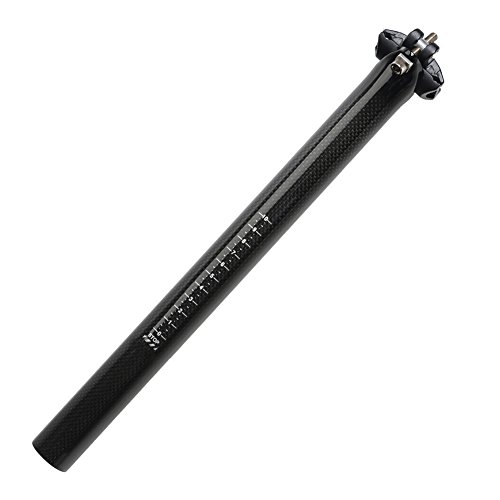
Type: 3K carbon fiber with a claimed weight near 220g per post. The seatpost is 27.2mm in diameter and 350mm long, with a 25mm head and 0mm setback. It’s designed to handle high-stress riding with a robust 4.9 level strength rating, supporting riders up to about 580lbs in the product description. Ideal for those wanting a lightweight upgrade without compromising big-tube strength. Size guidance centers on matching the original seatpost diameter and inner tube measurements of the frame.
Practical considerations include compatibility with saddle rails and post head compatibility, as well as the risk of overtightening. The 0mm setback means the rider’s weight distribution remains close to the pedals, which can improve climbing efficiency but may require saddle fore-aft adjustments for comfort. Ensure the frame’s internal diameter supports a 27.2mm post before purchasing.
HUAONG 27.2 Carbon Seat Post — 20mm Offset

Feature highlights include high-quality carbon fiber construction, lightweight design, and a backward offset of 20mm. The post weighs around 170–184g, depending on tolerance, and is 350mm long with a 25mm head. It claims strong fatigue resistance for long rides and off-road sessions. The offset helps promote a better riding posture and more efficient power transfer, but users should avoid overtightening and follow a recommended torque around 5 Nm to protect the seatpost and frame.
Use cases favor riders seeking a balance between lightness and comfort on mixed surfaces. The offset can enhance stability and control, particularly on longer climbs or steep descents. Compatibility considerations include ensuring your saddle clamp can accommodate a 27.2mm post and that your frame interior diameter is adequate for installation without rubbing.
HUAONG 31.6 Carbon Seat Post — 20mm Offset

This model expands the offset option to 31.6mm diameter with a 20mm backward offset, offering similar carbon fiber construction and weight benefits. It is designed for road, mountain, and BMX bikes that use a 31.6mm seatpost. The stated weight is around 175g, aiding sprint and acceleration performance. Like other options, it emphasizes strength, durability, and vibration absorption to improve comfort over rough terrain. Right sizing and frame compatibility remain critical for a secure fit and performance gains.
Prospective buyers should confirm the inside diameter of the frame and ensure saddle rails and clamps are compatible with the 31.6mm post. The offset helps achieve a comfortable riding posture and improved control, but it may require saddle adjustments to optimize reach and balance for individual riding styles.
RXL SL 27.2 Carbon Seatpost — 350/400mm

RXL SL offers a 3K matte or glossy finish with diameter options of 27.2, 30.8, and 31.6mm. Lengths include 350 and 400mm, with a post weight around 210g plus or minus 10g depending on finish. It features easy installation and a windage-reducing profile described as a “broken wind” design for aerodynamic considerations. This model is positioned for riders who value a balance of light weight and affordability within a carbon post lineup.
Key fit notes include ensuring frame internal diameter compatibility and saddle clamp acceptance. The post’s light construction helps reduce overall bike weight, but riders should monitor torque settings to avoid slippage or damage. The 350/400mm lengths accommodate a range of frame geometries, including longer seat tubes often found on adventure or endurance builds.
Buying Guide: How To Choose The Right Value Carbon Seatpost
- Diameter match: Common sizes are 27.2mm and 31.6mm. Measure your seatpost bore or verify the original post’s diameter to avoid loose fits or clamp issues.
- Length considerations: Shorter posts (around 350mm) suit most frames, while longer options (400mm) fit bikes with extended seat tubes or unique frame geometries. Ensure the chosen length does not protrude excessively into the frame or saddle rails.
- Setback and saddle position: 0mm setback keeps the saddle closer to the seat tube, which favors aggressive riding and climbing, while 20mm offsets can improve comfort and power delivery for many riders.
- Weight and strength: Look for 3K carbon fiber posts with weights around 170–220g. Higher strength ratings typically indicate better load tolerance but verify real-world reliability and warranty information if available.
- Torque and installation: Most carbon seatposts require careful torque management, commonly around 4–6 Nm. Avoid overtightening to prevent frame crushing or post damage.
- Riding style and terrain: For endurance and long rides, a post with offset and vibration damping features can reduce fatigue. For competitive racing, weight savings and aerodynamics may take precedence.
- Maintenance considerations: Carbon posts are resilient but should be inspected for cracks or fiber exposure after heavy impacts. Clean and lightly lubricate contact surfaces when necessary, following manufacturer guidance.
- Warranty and compatibility: Review any product warranties and ensure compatibility with your saddle clamp system, rails, and frame material (carbon, aluminum, etc.).
Multiple perspectives on value include trade-offs between offset vs. zero-offset designs, diameter compatibility, and the balance of weight versus durability. While lighter posts provide performance advantages, ensure the selected model maintains sufficient strength for your weight and riding style. Always verify compatibility with your frame and saddle hardware before purchase.