Best Pressure Washer Engine Options for Power and Reliability
Exploring compact, durable gasoline engines designed for pressure washers helps you find reliable replacements and upgrades. This guide highlights five top engines, covering 212cc and larger displacements, with OHV design, horizontal or vertical shafts, and key features that support heavy use in pressure washing, water pumping, and related equipment. Each option balances power, fuel efficiency, and installation versatility to fit various pressure washer models and duties.
| Product | Brand | Displacement / HP | Shaf t | Notes | Amazon Link |
|---|---|---|---|---|---|
| maXpeedingrods 7HP 212cc Gas Engine | maXpeedingrods | 212cc / 7 HP | Horizontal | Longer shaft, 3/4″ diameter; versatile for pressure washers, water pumps | View |
| BILT HARD 7HP 212cc Gas Engine | BILT HARD | 212cc / 7 HP | Horizontal | Cast-iron cylinder, EPA & CARB compliant, versatile for small equipment | View |
| Aceup Energy 7HP 212cc Gas Engine | Aceup Energy | 212cc / 7 HP | Horizontal | Recoil start, OHV, adaptable to multiple tools including pressure washers | View |
| AreMOLO 212CC 7.5HP Engine | AreMOLO | 212cc / 7.5 HP | Horizontal | OHV, electric start option, robust build for go-karts and pressure washers | View |
| FireLeaves 15HP 420cc Engine | FireLeaves | 420cc / 15 HP | Horizontal | High power for heavy-duty pressure washers and generators | View |
maXpeedingrods 7HP 212cc Gas Engine

The maXpeedingrods 7HP 212cc OHV gas engine is a versatile, four-stroke power unit designed for horizontal shaft configurations. With a 3/4″ shaft diameter, 3/16″ keyway, and a 3.6-liter fuel tank, this engine delivers reliable power for pressure washers, water pumps, compressors, log splitters, and lawn equipment. Its overhead valve design improves efficiency and power output, while a relatively compact size supports straightforward installation into existing washer frames or mounting plates. A practical option for users seeking a balance of torque and fuel economy.
Key features include a 212cc displacement, an 8.5:1 compression ratio, and EPA certification, signaling compliance with emission standards. The 7 HP output helps with high-pressure water delivery, while the 0.6-liter oil capacity supports routine maintenance. The engine is suitable for users replacing worn units or upgrading to a more robust pressure washer engine. For installation, verify shaft alignment, mounting pattern, and fuel connections on your specific pressure washer model.
BILT HARD 7HP 212cc Gas Engine

The BILT HARD 7HP 212cc engine is built for reliability in small to mid-size pressure washers and related equipment. It uses a four-stroke OHV design for efficient fuel use and more consistent power. The engine features a sturdy cast-iron cylinder that resists wear and a shut-off valve for safer transport. Engine timing, lubrication, and fuel efficiency are optimized to reduce fatigue during extended use and to support consistent spray performance in challenging cleaning tasks.
With a robust 212cc displacement and EPA/CARB certifications, this engine can replace older units in many commercial and residential setups. The compact footprint and horizontal shaft orientation help with straightforward mounting on common pressure washer frames. When selecting this engine, check the mounting pattern, shaft end compatibility, and the specific nozzle pressures your washer requires to ensure a seamless upgrade.
Aceup Energy 7HP 212cc Gas Engine
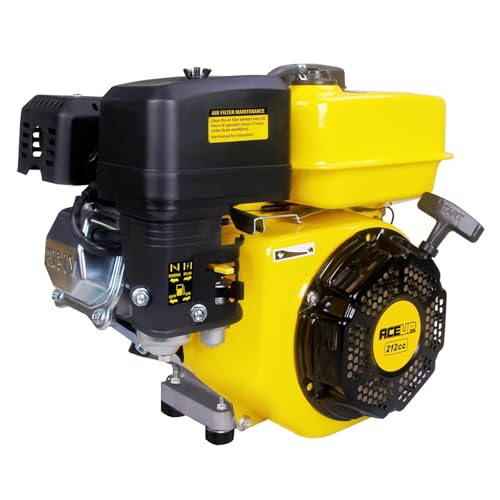
The Aceup Energy 7HP 212cc engine offers a compact, horizontal-shaft option with a 3/4″ shaft diameter and a 5/16″-24 UNF end tap. Its 0.9-gallon fuel tank enables moderate runtime for pressure washing tasks, while the 7 HP output supports demanding cleaning cycles. The unit is designed for easy starting with recoil ignition and is suitable for attachments like log splitters, pressure washers, water pumps, and go-karts. The 3/16″ keyway aids precise coupling with accessory drives, making it a flexible choice for DIY or professional installations.
Key considerations include ensuring compatibility with your pump and mounting hardware, confirming fuel requirements, and checking exhaust and vibration levels to maintain operator comfort during longer cleaning sessions. For best results, pair with proper hoses, spray nozzles, and safety equipment to optimize performance and lifespan of both the engine and connected equipment.
AreMOLO 212CC 7.5HP Engine

AreMOLO’s 212CC 7.5HP engine emphasizes high power within a compact package, delivering up to 3600 RPM and a 7.5 HP output. The engine uses an OHV design for improved fuel efficiency and reduced wear, with a sturdy construction suitable for pressure washers, log splitters, and go-karts. This model emphasizes smoother operation through cast iron cylinder liners and integrated muffler, which helps regulate noise during operation. An electric start option provides convenience for frequent use and easier startup in demanding tasks.
Displacement and speed translate into reliable performance for high-pressure cleaning jobs, while the durable build helps extend service life under heavy workloads. When considering this engine, verify compatibility with your pump drive shaft, compatible mounting dimensions, and the presence of a recoil or electric start option that matches your preference for starting method and maintenance routine.
FireLeaves 15HP 420cc Engine

The FireLeaves 15HP 420cc engine is engineered for heavy-duty industrial and agricultural workloads, delivering up to 9700W peak power at 3600 RPM. Its large displacement supports high-flow needs in pressure washers, generators, and other demanding applications. The engine uses a substantial fuel tank (1.72 gallons) to extend runtime between refuels and features a robust aluminum-iron construction for durability in tough environments. This option targets users needing maximum power for challenging cleaning tasks, heavy-duty pumping, or remote site work where frequent maintenance is less convenient.
When evaluating the FireLeaves engine, consider fuel availability and cost, noise and exhaust emissions, and the overall weight of the unit for mounting on existing frames. Matching the engine to your-pump combination and ensuring vibration isolation will help maintain performance and reduce wear on connected components over time.
Buying Guide
- Displacement and horsepower: Higher CC and HP offer more cleaning power and faster operation but may increase noise, fuel use, and weight. Choose based on expected workload and the pressure washer’s pump ratings.
- Shaft type and size: Verify horizontal vs. vertical shaft orientation and shaft diameter (commonly 3/4″) and keyway compatibility with your pump drive and mounting hardware.
- Fuel efficiency and emissions: OHV designs generally improve efficiency. Check EPA or CARB certifications if you have regulatory or indoor-use concerns.
- Fuel tank capacity and oil requirements: Larger tanks extend runtime between fills; ensure oil capacity aligns with service intervals and expected workload.
- Starting method: Recoil vs. electric start affects convenience and maintenance. Electric starts are user-friendly but may add cost and complexity.
- Mounting and compatibility: Compare mounting patterns, spacing, and overall dimensions to your pressure washer frame or assembly. Confirm compatibility with existing pumps, hoses, and nozzles.
- Durability and maintenance: Cast-iron cylinders and quality bearings improve longevity. Look for components that resist wear under continuous operation and provide easy maintenance access.
- Warranty and support: A solid warranty and accessible customer support help address installation questions and replacement parts over time.
- Application scope: Engines listed here suit pressure washers, water pumps, compressors, log splitters, go-karts, and related equipment. Consider future upgrade plans when selecting displacement and power.