Best Power Steering Fluid for Cold Weather: Top 5 Picks for Reliable Winter Steering
Choosing the right power steering fluid for cold weather is essential to maintain steering responsiveness and prevent cold-start squeal or sluggishness. This guide highlights five dependable options designed to perform in frigid climates, helping you keep steering smooth from the first turn of the key. Each product is linked to its Amazon listing for quick comparison and purchase, with a focus on low-temperature flow, wear protection, and seal conditioning.
Summary of selected products
| Product | Brand | Key Cold-Weather Benefit | Typical Use |
|---|---|---|---|
| ACDelco GM Original Equipment 10-5044 | ACDelco | Low temperature fluidity for quick response | Cold climate (original equipment) |
| TRIAX OEM Grade PSF Power Steering Fluid | Triax | Arctic grade performance to -50°F | All vehicles, broad spec |
| Red Line 30404 Power Steering Fluid | Red Line | Thermal stability and reduced stickiness | Most power steering systems |
| Lucas Oil Power Steering Fluid | Lucas Oil | Improved pump and system life | All systems, blends with conditioners |
| Prestone AS262 Power Steering Fluid with Stop Leak | Prestone | Stop Leak protects seals, stops leaks | Leaky or aging systems |
ACDelco GM Original Equipment 10-5044 Cold Climate Power Steering Fluid

Brand: ACDelco
Features: Inhibits corrosion and is non-foaming, providing additional protection against unwanted wear in the power steering system. Minimizes pump squeal for quieter ride. Low temperature fluidity to improve power steering response in cold weather.
This fluid is designed to maintain smooth steering in chilly conditions by improving fluid movement at lower temperatures and protecting metallic components from wear and corrosion. It is suitable for systems requiring OEM-grade performance and aims to reduce pump noise in cold starts.
TRIAX OEM Grade PSF – Arctic Grade

Brand: Triax
Features: ALL VEHICLES – Works for European, Asian, and US vehicles’ power steering systems. Full Synthetic with esters and a broad spec application. All-season fluid suitable for -50°F conditions. Contains seal conditioners to prevent leaks and maintain performance.
Notes on cold-weather performance: This fluid is engineered for extreme cold, aiming to prevent stiff steering and provide quick hydraulic response as temperatures drop. Its detergents help keep turbines and pumps clean, reducing buildup that can worsen cold-start performance.
Red Line 30404 Power Steering Fluid

Brand: Red Line
Features: Improved wear protection with resistance to thermal breakdown and foaming. Helps prevent high-temperature fade and difficult steering at low temperatures. Provides continued high pump output and anti-leak properties, with higher high-temperature viscosity and reduced evaporation.
Cold-weather benefit: Designed to maintain stable viscosity and prevent squeal during cold starts, ensuring timely steering response and reduced stress on the pump in frigid weather.
Lucas Oil Power Steering Fluid with Conditioners
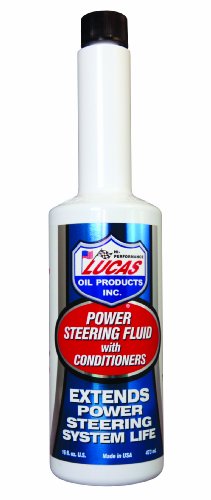
Brand: Lucas Oil
Features: Improves steering response and feel. Extends life of pumps, rack and pinion gears, seals, cylinders and valves. Compatible with all power steering systems and fluids, petroleum or synthetic.
In cold weather, these conditioners can help seals remain pliable and reduce friction, supporting smoother steering at low temperatures and aiding prolonged component life.
Prestone AS262 Power Steering Fluid with Stop Leak
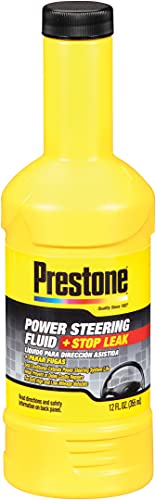
Brand: Prestone
Features: 50,000 miles of fluid life with Stop Leak additives to prevent and stop leaks. Anti-wear protection helps prevent pump failure, squeals, and clogs. Provides corrosion protection for metals, rubber, and gasket components.
Cold-weather relevance: Stop Leak additives can be beneficial for aging systems that experience contraction and seal hardening in the cold, helping prevent leaks and maintaining system integrity during winter months.
Buying Guide: Key Purchase Considerations For Cold Weather
When selecting power steering fluid for cold weather, consider viscosity at low temperatures, protection against corrosion, seal conditioner presence, and compatibility with your vehicle’s service manual specifications. Below are multiple perspectives to help you decide.
Viscosity And Cold-Weather Fluidity
For colder climates, fluids formulated to maintain adequate flow at low temperatures reduce pump strain and improve steering response on startup. Look for products that advertise Arctic or winter-grade performance, or a wide operating temperature range that includes sub-freezing conditions.
Seal Conditioners And System Longevity
Seals shrink or stiffen in the cold, which can lead to leaks. Fluid with seal conditioners helps maintain elasticity and prevents leaks, extending the life of hoses and seals. This is particularly important for aging vehicles with rubber components.
Detergency And Cleanliness
Detergency packages prevent buildup inside pumps and turbines, which can compromise performance in cold weather where friction and resistance are magnified. Clean systems respond more reliably to cold-start demands.
Compatibility And OEM Specifications
Always verify compatibility with your vehicle’s manufacturer specifications. Some cars require OEM fluids, while others tolerate high-quality universal formulas. Using the wrong type can affect lubrication efficiency and warranty coverage.
Stop Leaks And Long-Term Maintenance
Fluids with stop-leak additives can be beneficial for vehicles with older seals showing signs of hardening or minor leaks. However, use only as directed, since excessive additives may affect other system components over time.
Application Scenarios
Consider climate severity, driving patterns, and existing steering responsiveness. If you frequently drive in sub-freezing temperatures or experience sluggish steering in winter, prioritize Arctic-grade or high-durability formulas with good low-temperature flow.
Maintenance And Replacement Intervals
Follow the vehicle’s maintenance schedule for fluid replacement intervals. In harsh winters, more frequent checks can help prevent performance drops due to cold-weather strain on the steering system.