Best Rear Axle for a Trike: Top Conversion Kits and Upgrades
The right rear axle can transform a trike’s performance, reliability, and ride quality. This guide highlights five well-reviewed rear axle kits and assemblies that fit common trikes and adult three-wheel bikes, offering options across speed, material, and compatibility. Each product is presented with its key features to help you compare at a glance and choose an upgrade that matches your riding needs and maintenance preferences.
| Product | Brand | Axle Type / Key Feature |
|---|---|---|
| WEEROCK 20/24/26 Inch Tricycle Rear Axle | WEEROCK | 5/8″ (15.8 mm) axle, hollow-hub compatibility, 1-speed, rear band brake |
| FOMAS Trike Rear Axle 7 Speed | FOMAS | 15 mm axle, 7-speed, hollow-hub compatibility |
| WEEROCK Tricycle Rear Axle 7 Speeds | WEEROCK | 5/8″ axle, hollow-hub compatibility, band brake |
| GLOSSY AUTO PARTS Rear Live Axle Kit | GLOSSY AUTO PARTS | Rear live axle, sprocket, hub, brake components |
| 32 Go Kart Alloy Rear Axle Kit | Silscvtt | 32 inch length, 1.2″ diameter, high-strength alloy |
Below you’ll find concise, factual product sections with direct links to Amazon, followed by a practical buying guide to help compare options and decide on the best rear axle for your trike project.
WEEROCK 20/24/26 Inch Tricycle Rear Axle

Designed for 20″, 24″, and 26″ trikes, this WEEROCK rear axle kit supports single-speed setups and hollow-hub wheels. The 5/8 inch (15.8 mm) axle diameter provides a sturdy base for adult trikes, with a rear band brake option for reliable stopping power. The kit is compatible with hollow-hub configurations and aims to simplify retrofits for existing trikes.
FOMAS Trike Rear Axle 7 Speed

This FOMAS trike conversion kit is built for 20”–26” adult trikes with a 7-speed setup. It uses a 15 mm axle and fits hollow-hub wheels. The kit is fabricated from high-quality steel to prioritize strength and durability for everyday riding and occasional cargo trips, offering a versatile upgrade for older trikes or DIY builds.
Togarhow 740mm Go Kart Rear Axle Assembly

Although marketed for go-karts and drift trikes, this complete rear axle assembly can be adapted for DIY trike projects requiring larger axle length and a comprehensive wheel hub setup. It includes wheels, tires, bearings, a brake disc, and a chain/sprocket system with a 29.13 inch shaft length. This option suits experimental builds or riders seeking a heavy-duty, all-in-one kit for custom trike frames.
WEEROCK Tricycle Rear Axle 7 Speeds
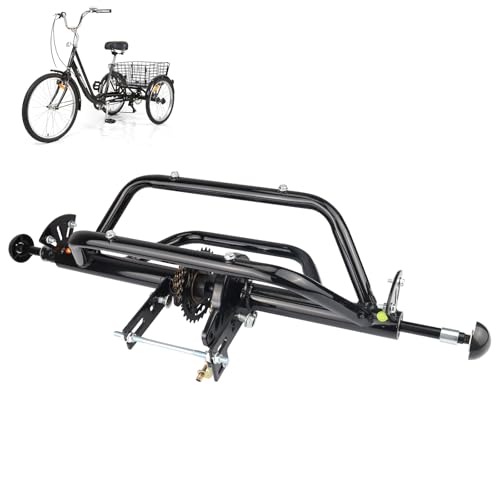
This WEEROCK kit offers a 7-speed configuration for 20″, 24″, and 26″ trikes, with a 5/8 inch (15.8 mm) rear axle diameter suitable for hollow-hub wheels. A band brake arrangement features on this kit, delivering decisive deceleration and improved control on varied terrains. It targets riders upgrading older trikes or building a mid-range performance bike from scratch.
GLOSSY AUTO PARTS Rear Live Axle Kit

This comprehensive rear live axle kit includes a sprocket, hub, brake assembly, chain, and mounting hardware. It’s pitched for drift trikes, go-karts, and similar platforms, making it a versatile option for DIY enthusiasts seeking a complete replacement or upgrade. It emphasizes modular components to facilitate maintenance and upgrades over time.
32 Go Kart Alloy Rear Axle Kit

This alloy rear axle kit is built around a 32 inch length with a 1.2 inch diameter, designed to withstand heavy loads. Its high-strength alloy construction supports more than 500 pounds, making it suitable for larger go-kart and trike builds that demand robust structural integrity. It’s a practical option for extended rides or custom projects with higher weight requirements.
Buying Guide: Key Purchase Considerations
- Compatibility: Confirm axle diameter (commonly 5/8″ or 15.8 mm) and hub compatibility (hollow-hub vs solid). Match the axle to your wheel hubs and brake configuration (band brake vs disc/drum).
- Speeds and gearing: Choose single-speed or multi-speed options depending on your terrain and riding style. Multi-speed kits add versatility for hills and loaded trips.
- Material and strength: Steel is common for strength and durability; alloy options can offer weight savings. Consider the estimated weight capacity of your trike and typical cargo weight.
- Brake integration: If your trike uses a band brake or a separate braking system, ensure the axle kit includes or accommodates compatible brake components and mounting.
- Installation scope: Some kits are complete assemblies with sprockets, bearings, and brake discs, while others are bare axles requiring separate parts. Assess the level of DIY effort you’re prepared for.
- Maintenance accessibility: Look for standard bearing types and widely available replacement parts. Easy access can reduce downtime during repairs.
- Durability in use: For off-road or urban commuting, prefer robust axles with higher load ratings and protective finishes to resist corrosion and wear.
- Budget and availability: While premium options may offer extra features, balance price with the expected lifespan and maintenance schedule. Availability from reputable sellers helps with timely replacements.
Comparative Considerations
- Single-speed vs multi-speed: If you mostly ride flat terrains or urban streets, a single-speed setup can be simpler and more reliable. For hilly routes, a 7-speed or similar option improves cadence and climbing ability.
- Brake type: Band brakes provide straightforward maintenance on some trikes, but if you rely on modern braking, verify compatibility with disc brake components and mounting hardware.
- Kit completeness: Full assemblies save time for DIY builders, while bare axles offer customization flexibility but require sourcing additional parts.
- Weight considerations: Heavier frames demand stronger axles; lighter kits can help with acceleration but may compromise payload capacity.