Best Nitrous Cam for SBC: Top Small-Block Chevy Camshafts for Power
When boosting a small-block Chevy with nitrous, choosing the right cam is crucial for reliability and power. The right nitrous-friendly hydraulic roller cams can maximize horsepower and torque across your RPM range, while staying compatible with nitrous kits and stock valvetrain components. This article highlights five top options that are commonly paired with nitrous systems on SBC builds, along with practical buying considerations to help you decide what works best for your setup.
| Product | Brand | Model |
|---|---|---|
| 08-303-8 Nitrous HP Hyd Roller | Comp Cams | 08-303-8 |
| 12-419-8 Nitrous HP Hyd Roller | Comp Cams | 12-419-8 |
| 12-564-4 Nitrous HP Hyd Flat | Comp Cams | 12-564-4 |
| 12-568-4 Nitrous HP Hyd Flat | Comp Cams | 12-568-4 |
| 12-560-4 Nitrous HP Hyd Flat | Comp Cams | 12-560-4 |
COMP Cams 08-303-8 Nitrous HP Cam for SBC

This hydraulic roller cam is designed for nitrous-equipped small-block Chevys, delivering a balanced intake of power and streetability. It features a 236/248 duration at .050″ and a 113-degree lobe separation, suitable for a 2,400-6,500 RPM range. The profile supports a 2500+ stall with lower gears and headers for strong mid-range torque, making it a common choice for nitrous-assisted builds. Material and tolerance considerations help maintain reliability under nitrous flow.
COMP Cams 12-419-8 Nitrous HP Cam for SBC
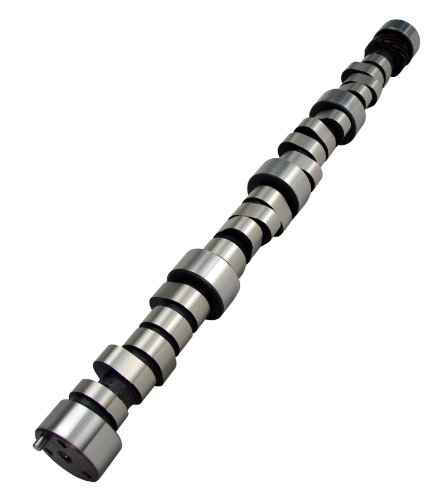
This hydraulic roller cam targets nitrous users seeking strong throttle response and wide power bands. With a 236/248 duration at .050″ and a 113-degree lobe separation, it is designed for 2,400-6,500 RPM and pairs with a 175+ hp nitrous system. The cam’s profile supports enhanced airflow through headers and optimized gear ratios, delivering notable gains in acceleration and overall performance under nitrous activation.
COMP Cams 12-564-4 Nitrous HP 230/244

Designed for street/strip use, this 230/244 hydraulic flat tappet setup is popular for nitrous kits and modest blower combinations. It targets a 2,400-6,500 RPM operating window and 125+ hp nitrous kits. The 113-degree lobe separation aids idle quality while delivering the thrust required for mid-range acceleration, especially when matched with appropriate gear ratios and exhaust flow upgrades.
COMP Cams 12-568-4 Nitrous HP 240/253
This profile emphasizes pro-street performance with a 240/253 duration and a broad 2,800-6,800 RPM range. With a 113-degree lobe separation, it supports multi-stage nitrous setups or a high-stall converter, delivering powerful roll-on torque and a distinct idle. It is well-suited for street-driven cars that also see the track, especially when coupled with high-flow intake and exhaust modifications.
COMP Cams 12-560-4 Nitrous HP 224/236
This option focuses on a balance of street usability and performance with 2,000-6,200 RPM and a 224/236 duration at .050″. The setup is compatible with routine nitrous upgrades and provides a choppy idle that many enthusiasts associate with performance engines. The 113-degree lobe separation supports efficient valve timing and intake flow improvements when paired with appropriate ignition timing and fuel delivery.
Buying Guide: Key Considerations For Nitrous Cam Choices
When selecting a nitrous-friendly cam for a small-block Chevy, consider the following factors to ensure the best match for your goals and mechanical constraints.
- Power range and RPM goals: Align cam duration and lift with your target nitrous RPM window and gear ratios. A wider RPM range can improve mid-range torque when nitrous is active.
- Valve train compatibility: Hydraulic rollers are popular for nitrous use due to durability, but ensure your lifters, springs, and pushrods are rated for the lift and RPM you intend to run.
- Idle quality and drivability: Higher lobe separation angles (LSA) tend to improve idle smoothness, which can be desirable for street use, even with nitrous present.
- Cam with nitrous-friendly features: Look for cam specs and empirical guidance that indicate reliability with nitrous systems, including proper fuel delivery and timing strategies.
- Engine build and supporting components: Adequate compression, exhaust flow, and a compatible ignition/fuel system are essential to maximize gains from nitrous-assisted cams.
- Stall speed compatibility: If you use a torque converter, ensure the chosen cam works well with your stall speed to avoid drivability issues.
- Maintenance and durability: Evaluate the cam’s material, hardening, and lifter choice to minimize wear under higher cylinder pressures
- Cost of upgrade path: Factor in associated parts such as springs, pushrods, and timing sets that may be required to optimize a nitrous setup.
In summary, selecting a nitrous-oriented cam for a SBC involves balancing power, rpm capability, and street-ability. The options listed here are commonly paired with nitrous systems and offer a range of profiles to fit different build goals, from street-performance to aggressive strip setups. Always verify compatibility with your specific block, heads, and nitrous kit, and consult a qualified tuner for final fuel and timing adjustments.