Best Oil Detergent Additive Solutions for Cleaner Engines and Smoother Performance
Oil detergent additives help keep engines clean by dissolving sludge, emulsifying varnish, and promoting better oil flow. This article highlights top options designed for gasoline and diesel engines, covering flushes, saver formulations, and protective additives. Each product features a distinct cleaning approach, from pre-oil-change flushes to long-term wear protection. Readers will find practical guidance on how these additives work, where they fit in maintenance routines, and how to compare them for different vehicle needs.
Overview Of Selected Products
| Product | Brand | Main Benefit | Typical Use |
|---|---|---|---|
| Liqui Moly Pro-Line Engine Flush | Liqui Moly | Gentle, rapid oil-system cleaning | Pre-oil-change engine flush for gasoline and diesel engines |
| LIQUI MOLY Motor Oil Saver | Liqui Moly | Reduces oil consumption and seals leaks | Oil consumption control and seal protection |
| Motul Engine Clean | Motul | Detergent-based sludge removal and improved oil flow | Engine flush and sludge dissolution before oil change |
| Liqui Moly MoS2 Anti-Friction Engine Treatment | Liqui Moly | Forms high-load lubricant film for reduced friction | Long-term friction reduction and protection |
| Nano Pro MT Oil Stabilizer | Nano Pro MT | Friction reduction and viscosity stability | Oil-life extension and wear protection |
Liqui Moly Pro-Line Engine Flush

Liqui Moly Pro-Line Engine Flush is designed as an easy-to-use solution for cleaning oil systems in both gasoline and diesel engines. The formulation aims for gentle, rapid cleaning without compromising seals or other materials inside the engine. This flush is typically added to a hot engine before draining the oil, allowing sludge, varnish, and contaminants to be loosened and carried out with the used oil. It can help prepare an engine for a thorough oil change and potentially improve oil flow and filtration afterward. This option is suited for vehicles with moderate buildup or for owners performing routine maintenance with the aim of preserving engine cleanliness over time.
LIQUI MOLY Motor Oil Saver

Liqui Moly Motor Oil Saver is formulated to reduce oil consumption by assisting piston rings and valve guides. It’s positioned to help prevent blue, smoky exhaust fumes and to combat leaks at elastomeric seals. The product is intended to be added to the engine oil during maintenance, contributing to improved oil retention and engine cleanliness. It is a practical option for vehicles trending toward higher oil usage or with aging seals, offering a preventive approach to maintaining proper oil volume and filtration performance between changes.
Motul Engine Clean

Motul Engine Clean offers a detergent-based engine flush designed to dissolve sludge, varnish, and deposits while improving oil flow. The formula is described as compatible with gasoline, diesel, turbocharged, naturally aspirated, and hybrid engines. The process typically involves pouring the product in before draining the oil, letting the engine idle for about 15 minutes, and then performing a regular oil change. Motul emphasizes restoring internal engine conditions for smooth operation, with benefits including potential improvements in fuel economy, consistent compression, and reduced friction through cleaner piston rings and lifters.
Liqui Moly MoS2 Anti-Friction Engine Treatment

Liqui Moly MoS2 Anti-Friction Engine Treatment uses MoS2 as a solid lubricant to form a protective film on friction surfaces. This oil additive aims to reduce wear and improve engine efficiency by augmenting the lubricating film, particularly under high loads. It is compatible with a wide range of engines and can be used periodically to reinforce lubrication, especially in engines with higher mileage or those subject to demanding driving conditions. Users should follow product instructions for dosage and compatibility with existing oil specifications.
Nano Pro MT Oil Stabilizer
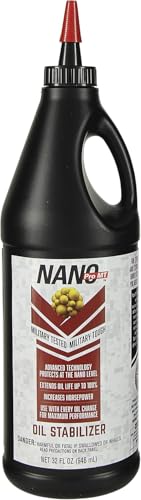
Nano Pro MT Oil Stabilizer uses advanced nanotechnology to extend oil life and improve thermal efficiency. Claimed benefits include reduced wear, smoother operation, and enhanced horsepower, with a focus on maintaining oil viscosity under heat and pressure. It is described as capable of reducing wear metals and offering better protection against viscosity breakdown, making it suitable for drivers looking to maintain engine performance and longevity. As with other additives, follow dosing guidelines and ensure compatibility with the vehicle’s oil type and viscosity rating.
Buying Guide: Key Purchase Considerations And Comparisons
- Engine type and age: Select products formulated for gasoline vs. diesel engines, and consider aging engines with signs of oil consumption or sludge buildup.
- Flushing vs. treatment: Flush products (like engine flush formulations) are designed for a one-time cleaning action before an oil change, while treatment additives aim to extend oil life, reduce wear, or improve flow over multiple changes.
- Detergency and compatibility: Check whether the additive uses detergents, dispersants, or MoS2-based friction modifiers. Ensure compatibility with your current oil type (synthetic vs. conventional) and viscosity.
- Oil consumption and leaks: For engines that burn oil or have seal leakage, select products targeting oil consumption reduction or seal protection. Consider seal material compatibility and the vehicle’s maintenance history.
- Maintenance goals: If the goal is smoother operation and reduced friction, MoS2 or nanoscale stabilizers may be appropriate. If the priority is cleaning sludge, a dedicated engine flush or Motul Engine Clean could be more effective.
- Usage guidelines: Adhere to dosage instructions, idle times, and drain procedures. Avoid mixing incompatible additives or exceeding recommended concentrations, which can affect oil performance or warranty terms.
- Emissions and inspections: Some cleaners claim benefits in reducing residues that contribute to emissions. For vehicles near inspection cycles, choosing a product that supports cleaner combustion may be advantageous.
- Brand and reliability: Reputable brands with tested formulations and clear compatibility notes reduce risk. Review manufacturer guidance for professional use or DIY maintenance.
When evaluating oil detergent additives, consider your vehicle’s service history, current symptoms, and the oil change interval. Fire up the vehicle’s manual or consult a qualified mechanic if you’re unsure about selecting an additive or performing a flush. The right choice can help maintain engine cleanliness, optimize oil flow, and support long-term engine reliability.