Best Engine Treatments for Knocking and Noise Reduction
Engine knocking can stem from multiple issues, including friction, deposits, wear, and oil breakdown. The following reviewed products focus on reducing friction, cleaning deposits, and restoring lubrication to quiet knock and improve overall engine performance. This article highlights five treatments commonly used to address knocking symptoms while avoiding overly technical jargon. Each product’s features are summarized below, followed by detailed sections to help you compare options and make an informed choice.
style=”display:none;”>Summary Table: Chosen Products
| Product | Brand | Key Benefit | Primary Use |
|---|---|---|---|
| Liqui Moly MoS2 Anti-Friction Engine Treatment | Liqui Moly | High-load friction film for quieter, smoother operation | Universal engine friction reduction |
| Rislone 4102 XTREME LUBE | Rislone | Removes sludge; reduces wear and noise | Extended protection and cleanliness |
| Bar’s Leaks 1000 High Mileage Engine Repair | Bar’s Leaks | Stops leaks and reduces smoking; improves compression | Leak sealing and performance restoration |
| XADO EX120 Motor Oil Additive | XADO | Ceramic-metal coating and revitalization | Long-term wear protection |
| TriboTEX Nano Oil Additive | TriboTEX | Diamond-like coating for quieter, smoother operation | High-mileage engine revival |
Liqui Moly MoS2 Anti-Friction Engine Treatment

Liqui Moly MoS2 Anti-Friction Engine Treatment is a petroleum-based oil additive designed to form a high-load friction film on all bearing surfaces. The MoS2 (molybdenum disulfide) content helps reduce metal-to-metal contact during high RPMs, potentially quieting knock and reducing wear. Its universal fit aims to work with most motor oils, offering a straightforward approach for drivers seeking smoother, more controlled engine sound under load. Users may notice improved idle stability and reduced noise at higher RPMs as the film builds over time.
Key considerations: While MoS2 additives can help with friction reduction, effectiveness varies by engine type, oil specification, and service intervals. For engines with pre-existing severe knocking from damaged components, a additive alone may not resolve underlying mechanical issues. Always follow the product’s dosing instructions and ensure compatibility with your engine oil grade and temperature range.
Rislone XTREME LUBE Maximum Performance Engine Treatment

Rislone XTREME LUBE is a multi-grade oil additive designed to reduce friction and wear, while also helping to remove sludge and other deposits. Its formulation aims to maintain oil flow across a broad temperature range, potentially smoothing noisy lifters and rattles caused by varnish or sludge buildup. The product also emphasizes cleaning capabilities, which can improve oil passage and overall engine efficiency over time.
Key considerations: This treatment targets both friction reduction and deposit control. If knocking is primarily due to wear on bearings or timing issues, results may be modest. As with any additive, ensure compatibility with your oil type and vehicle warranty requirements. Refrain from exceeding recommended dosages to avoid unintended side effects.
Bar’s Leaks 1000 High Mileage Engine Repair
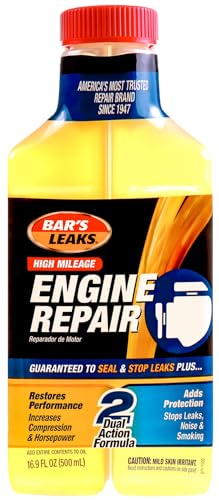
Bar’s Leaks 1000 High Mileage Engine Repair targets common oil-related problems in aging engines. It combines additives intended to restore performance, increase compression, and reduce noise and oil consumption. The product is positioned as a practical option for older engines where worn rings, seals, and cylinders contribute to knocking or smoke. It emphasizes restoration of compression and durability, which can indirectly affect engine noise by stabilizing internal tolerances.
Key considerations: This type of product is often used for high-mileage engines with multiple issues. It is not a guaranteed fix for structural damage, and results can vary. As a preventive measure, users should test the vehicle’s response after a few thousand miles to assess ongoing needs and consider professional inspection for persistent knocks.
XADO EX120 Motor Oil Additive

XADO EX120 combines a revitalizant with a ceramic-metal coating approach to renew worn metal surfaces. It advocates restoring engine parts, forming a protective coating, and potentially improving oil pressure. The claimed benefits include reduced friction, increased engine protection over long distances, and better fuel efficiency. For drivers facing knocking due to wear and metal-to-metal contact, EX120 offers a comprehensive, long-term treatment option designed to help extend component life.
Key considerations: Results depend on the extent of wear and the engine’s current condition. While revitalization claims are appealing, this is not a substitute for mechanical repair in cases of serious damage. Follow dosing guidelines and monitor changes in engine noise, oil pressure, and performance over the recommended treatment period.
TriboTEX Nano Oil Additive Car Engine Treatment
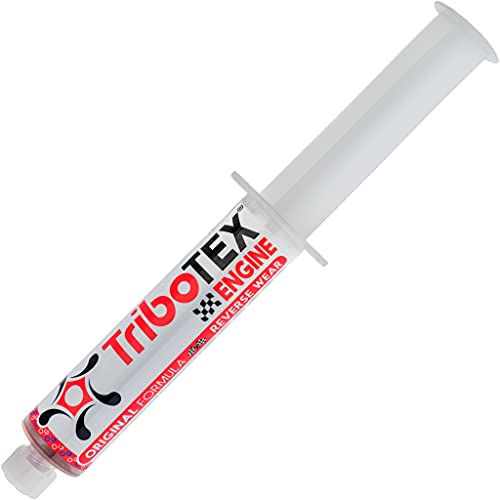
TriboTEX offers a nano-based engine oil additive that claims to reverse wear in bearings by building a diamond-like carbon coating. Presented as a universal solution compatible with most motor oils, the TriboTEX treatment targets both old and new engines. The emphasis is on quieter operation and smoother performance by reducing friction at a molecular level, with aims to extend engine life and restore some of the feel of a newer engine.
Key considerations: The technology claims significant friction reduction, but real-world results vary by engine design and maintenance history. This additive is positioned for use across a range of engines, including diesels, but always verify compatibility with your oil and vehicle guidelines. Monitor changes in noise, smoothness, and fuel economy after application.
Buying Guide — Key Purchase Considerations
Choosing the right engine treatment for knocking involves evaluating your engine’s condition, oil type, and driving style. Consider the following perspectives to guide your decision:
- Nature of knocking: If knocking occurs at higher RPMs under load, friction-reducing additives (like MoS2-based products) may help. If knocking persists at idle, issues like worn rings, valves, or lubrication gaps may require a broader approach or professional inspection.
- Engine age and condition: High-mileage engines often benefit from sludge-removal and seal-restoration additives, but severe wear may not be fully addressed with additives alone.
- Oil compatibility: Verify that the chosen product is compatible with your oil grade (synthetic vs conventional) and your engine manufacturer’s recommendations to avoid voiding warranties.
- Deposits and sludge control: Products focusing on sludge removal can improve tolerances and reduce knock caused by varnish; however, persistent deposits may require coolant or combustion system diagnostics.
- Long-term vs short-term: Some treatments promise immediate quieting, while others aim for gradual wear restoration. Assess your expectations and maintenance schedule accordingly.
- Professional assessment: If knocking is frequent or accompanied by misfires, overheating, or loss of power, seek a professional evaluation to rule out significant mechanical damage.
In summary, selecting an engine treatment requires aligning the product’s mechanism with the root cause of knocking in your vehicle. Friction reducers, deposit cleaners, and wear restorers each address different facets of engine noise. For many drivers, starting with a reputable friction-reduction additive and monitoring performance over a few tanks of fuel can provide useful insight before pursuing deeper repairs.