Best Oil Additives for Sludge: Top 5 Picks for Cleaner, Safer Engines
Oil additives designed to tackle sludge and related deposits help protect engine health, improve lubrication, and maintain fuel system reliability. This article highlights five of the most relevant products for sludge control, built to liquefy buildup, stabilize fuel, and prevent clogging and rust. Each choice is evaluated for performance, compatibility, and practical benefits in typical American household and industrial scenarios.
| Product | Brand | What It Targets |
|---|---|---|
| ComStar Super Heat, 8-in-1 Fuel Oil Treatment | ComStar | Waxing, jelling, sludge, water, soot, rust, pour point |
| ComStar Sludge Solve | ComStar | Heavy sludge breakdown, fuel stabilization |
| TRIAX Pro Engine Flush Oil-Based Deep Clean | Triax | Sludge and carbon deposits, valve train, piston rings |
| Liqui Moly Pro-Line Engine Flush | Liqui Moly | Oil system cleansing for gasoline and diesel engines |
| LIQUI MOLY Motor Oil Saver | Liqui Moly | Oil consumption reduction, seals protection |
Note: The products selected here emphasize sludge dissolution, fuel stabilization, and protective coatings that help prevent future buildup. Each item is evaluated on the basis of sludge treatment, compatibility with common fuels, and potential maintenance benefits for home and professional use alike.
ComStar Super Heat, 8-in-1 Fuel Oil Treatment

ComStar’s Super Heat offers eight treatments in one formula, designed to address sludge and water in fuel systems while improving flow. Its features include melting ice, lowering the pour point, controlling waxing and jelling, dissolving sludge, reducing soot, and mitigating rust. The product is positioned as a maintenance aid for fuel tanks and lines, supporting cleaner operation and system integrity. Regular use may help sustain steady engine performance by curbing common fuel-related deposits and water accumulation that can complicate startup and combustion, particularly in seasonal climates.
In practice, this additive aims to protect against the common consequences of sludge buildup, such as restricted nozzle flow and inconsistent ignition. It is marketed toward homeowners and professionals who want a single, multifaceted treatment for routine fuel system care. The formulation emphasizes compatibility with typical home heating and automotive fuels while providing a straightforward maintenance cadence to help preserve system efficiency over time.
References to water and rust control highlight corrosion resistance as a secondary benefit, especially in environments with water intrusion or older infrastructure. Users should consider compatibility with their current fuel type and any seasonal storage practices when integrating Super Heat into a regular maintenance routine.
ComStar Sludge Solve, Heavy Duty Oil Sludge Eliminator
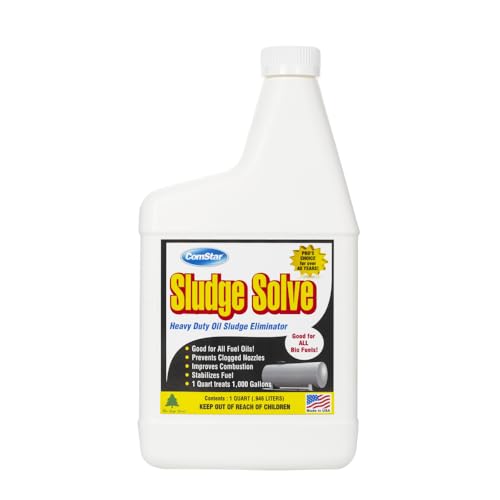
Sludge Solve is designed to aggressively break down and liquefy oil sludge throughout the entire fuel system. It focuses on improving fuel stability and preventing nozzle clogs, with the goal of cleaner combustion and fewer operational interruptions. The product is marketed for universal fuel compatibility, making it suitable for heating systems, storage tanks, and various industrial setups that rely on consistent fuel flow.
By liquefying sludge, Sludge Solve supports easier filtration and potentially reduces the risk of deposits forming in sensitive components like filters and injectors. The emphasis on preventing clogged nozzles aligns with maintenance strategies that seek to minimize downtime and service calls. As with any sludge-focused treatment, users should monitor tank cleanliness, ensure proper mixing, and observe any compatibility notes for their specific fuel blend.
Strengths include straightforward application and a focus on stabilization and cleanup in a broad range of fuel oils. It is most effective when used as part of a broader preventive maintenance plan, especially in systems with aging infrastructure or prior sludge issues.
TRIAX Pro Engine Flush Oil-Based Deep Clean

TRIAX Pro Engine Flush concentrates on rapidly dissolving sludge and deposits from piston rings, bearings, and the valve train, while maintaining lubrication throughout the flush. The product claims to restore engine power and compression by improving oil circulation and eliminating stuck rings. Safety-wise, it includes anti-wear protection during the flush (preloaded with ZDDP) to guard against metal-to-metal contact and turbo-wear, which helps prevent turbocharger-related issues post-flush.
With flush products like TRIAX Pro, the process typically involves a short interval during which the engine is partially lubricated with the flush oil, allowing contaminants to be dissolved and flushed out. This can lead to improved engine feel and more consistent pressure after completing the flush. The emphasis on protecting turbo components makes it particularly relevant for engines with forced induction or known turbo wear concerns. Users should adhere to manufacturer guidelines for flushing duration and post-flush oil changes.
Overall, the TRIAX Pro Engine Flush is positioned as a professional-grade option that supports substantial cleaning while offering protective measures during the process. It is appropriate for both shop environments and diligent DIY owners tackling stubborn sludge.
Liqui Moly Pro-Line Engine Flush

Liqui Moly Pro-Line Engine Flush provides a straightforward approach to cleaning oil systems in gasoline and diesel engines. The product is described as an easy-to-use flush that delivers a gentle yet rapid cleaning action. It is designed to be neutral to engine seals and other materials, reducing the risk of compatibility-related issues during the cleaning process.
As a flush solution, it is commonly used prior to an oil change or when diagnosing performance concerns linked to sludge and varnish. Its emphasis on neutral compatibility with seals makes it suitable for engines with older gaskets and components that might be sensitive to harsher additives. Users should follow the recommended flush duration and ensure proper ventilation and oil disposal in accordance with local regulations.
Liqui Moly is a well-known name in automotive lubricants, and this product aligns with its broader portfolio of engine-cleaning solutions. It can help restore oil flow pathways and support more effective lubrication after the flush, particularly when combined with a fresh filter and oil change.
LIQUI MOLY Motor Oil Saver

LIQUI MOLY Motor Oil Saver is designed to reduce oil consumption by addressing leaks at piston rings and valve guides, while also offering support against issues caused by elastomeric seals. The product emphasizes sealing integrity as a key benefit, which can contribute to longer oil life and more predictable engine performance. Reducing blue exhaust and smokiness is often highlighted as a downstream benefit of improved oil control and combustion stability.
Users considering oil-saver additives typically weigh the potential for improved economy against any changes in engine response. LIQUI MOLY positions its additive as a protective, low-risk option that supports engine reliability without major alterations to lubrication dynamics. It is especially relevant in engines with higher mileage or seals that show subtle wear, where minimizing oil leakage and consumption can extend service intervals.
As with other additives, results can vary by engine design, operating conditions, and maintenance practices. When used correctly and alongside routine oil changes, Motor Oil Saver may help maintain cleaner engines and more consistent performance over time.
ComStar Super Heat, 1 Gallon, 8-in-1 Fuel Oil Treatment

This larger 1-gallon variant of Super Heat reinforces the eight-in-one approach to fuel system maintenance. It emphasizes melting ice, lowering pour point, controlling waxing and jelling, eliminating water, dissolving sludge, cleaning parts, diminishing soot buildup, and reducing rust. The extended volume is designed for continuous maintenance in settings with frequent refueling or larger fuel-storage applications, enabling more cost-effective routine care while maintaining fuel system cleanliness and fuel-flow reliability.
For users managing bigger tanks, commercial heating systems, or multiple units, this option provides a scalable way to incorporate sludge control into regular maintenance. The product positioning continues to stress protection against common sludge-related issues and water-related corrosion, with a practical benefit of reduced clogging risks over time. As always, follow label directions and consider a broader maintenance schedule that includes filter checks and periodic fuel quality assessments.
ComStar BioFuel Treat, 7-in-1 BioFuel Oil Treatment
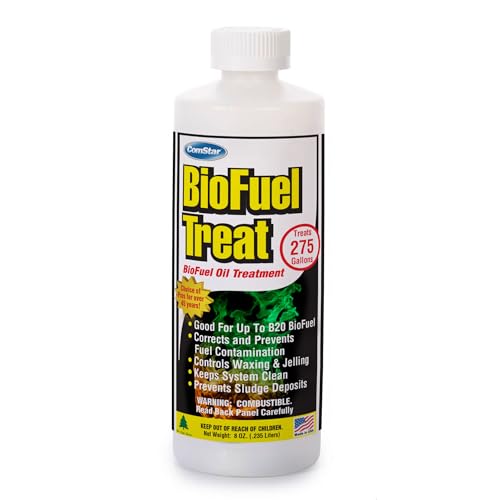
BioFuel Treat combines multiple functions to prevent sludge buildup and related clogging in biofuel systems. The 7-in-1 formulation focuses on eliminating contamination and odors while controlling waxing and jelling, lowering the pour point, and keeping systems clean. It also mentions compatibility with biodiesel blends up to B20, which broadens its applicability to modern biofuel setups. The product is positioned as a preventive measure to protect biofuel storage tanks and alarms, vents, and filters from sludge-related issues.
Biomarket-oriented additives can be attractive for users running alternative fuel blends, especially where waxiness and stability are significant concerns in variable climates. The 8-ounce size is suitable for smaller tanks or targeted treatment plans, and it aligns with a broader strategy to maintain clean fuel pathways and prevent odor-related issues in storage and distribution systems.
Buying Guide: Key Purchase Considerations
- Sludge type and system: Identify whether you’re dealing with heavy sludge buildup, carbon deposits, or water in fuel. Choose a product that targets your specific condition.
- Fuel compatibility: Confirm compatibility with your fuel type (gasoline, diesel, biofuels, or blends) and seasonal storage needs.
- System scope: Consider whether you need a single-treatment solution (8-in-1) or a more targeted sludge-elimination approach (liquefaction or deep cleaning).
- Maintenance cadence: Evaluate how often you should apply the product as part of routine maintenance, and whether you should pair it with filters and oil changes.
- Engine and system type: Some products emphasize protection for turbochargers or seals; others are designed for household heating systems or shop-grade equipment. Match to your setup.
- Application practicality: Check required dosing, mixing instructions, and any safety considerations for storage and disposal.
- Pro vs DIY context: Professional-grade flushes may offer stronger cleaning but require careful handling and adherence to guidelines; consumer-focused blends prioritize ease of use.