Best Ford Big Block Heads for Performance and Power
Choosing the right cylinder heads can unlock significant gains in horsepower and torque for classic and modern Ford big-block builds. This article highlights five relevant options, covering genuine big-block heads and compatible entries that enthusiasts often consider when upgrading airflow, compression, and efficiency. Each product includes a link to Amazon for quick reference and a quick summary of key specs to help you compare at a glance.
Summary Table of Selected Products
| Product | Brand | Key Specs | Amazon Link |
|---|---|---|---|
| Ford Super Cobra Jet Head, Bare | Ford | 2.020/1.760 in valves, 72 cc chamber | View |
| Edelbrock Small-Block E-Street Heads | Edelbrock | 2.02″ intake valve, 60cc/60cc chambers | View |
| IMOOA Bare Cylinder Head For Ford Small Block | IMOOA | 185cc intake, 61cc chamber | View |
| Flotek Aluminum Cylinder Head For Small Block Ford | Flotek | Aluminum construction | View |
| JEGS Engine Gasket Kit For Ford Big Block | JEGS | Gasket kit, 1968-1987 Ford 429-460 | View |
Ford Super Cobra Jet Bare Cylinder Head

The Ford Super Cobra Jet bare cylinder head is designed for big-block Ford applications, offering a robust platform for high-performance builds. This head features 2.020-inch intake and 1.760-inch exhaust valve configurations on a 72 cc combustion chamber, which can support improved air flow and strategic compression. It is typically installed on big-block engines to support higher horsepower potential when paired with appropriate intake, cam, and exhaust components.
Edelbrock E-Street Cylinder Heads (Small-Block)

Although described for small-block applications, Edelbrock E-Street heads are noted for their 60cc combustion chambers and 170cc intake/60cc exhaust runner volumes, which illustrate Edelbrock’s emphasis on chamber sizing and port design. When chasing power in Ford builds, these heads are often considered for cross-compatibility discussions, especially in hybrid or mixed-engine projects where port shaping and flow numbers are part of a broader upgrade plan. Proper matching with intake, headers, and a cam is essential for best results.
IMOOA Bare Cylinder Head For Ford Small Block
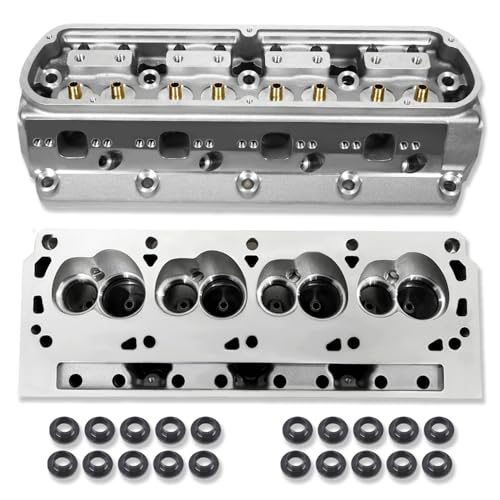
IMOOA offers a pair of bare cylinder heads for Ford small-block engines with an 185cc intake runner and 61cc chamber. While these are styled for smaller displacement engines, they illustrate the range of aftermarket cylinder head options that exist for Ford applications. Compatibility with engine blocks, valve sizes, and chamber volume will determine suitability for a big-block build or a hybrid project where port timing and flow characteristics are being optimized.
Flotek 203505 Aluminum Cylinder Head
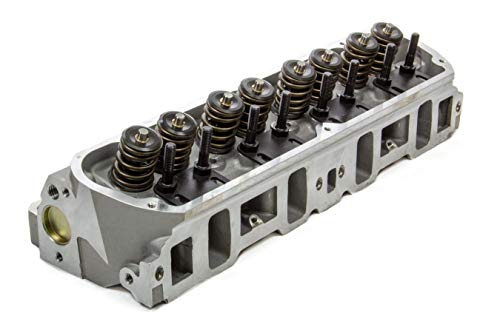
Flotek’s aluminum cylinder head for Ford small-blocks showcases lighter weight and potential improvements in heat dissipation. Aluminum heads can reduce overall reciprocating weight and improve cooling efficiency, which is beneficial in performance-oriented builds. However, for big-block Ford applications, weight distribution and mounting compatibility must be verified, along with valve angle and chamber compatibility with existing blocks and induction systems.
JEGS Engine Gasket Kit For Ford Big Block

This JEGS gasket kit is designed for Ford big-block engines from the late 1960s to the late 1980s, including 429-460 cubic inch configurations. While not a head itself, the gasket set is a valuable component in upgrades that involve head removal, resurfacing, or head-to-block sealing. It highlights the broader scope of engine sealing and proper assembly considerations necessary for high-performance head work.
Buying Guide: Big Block Ford Head Upgrades
- Engine compatibility: Verify that the head’s valve size, chamber volume, and port layout mesh with your specific big-block Ford block and intake system. Mismatches can lead to poor sealing or improper compression ratios.
- Chamber volume and compression: Larger chambers reduce compression; smaller chambers raise it. For big-blocks, aligning chamber size with piston compression and cam timing is crucial to sustain safe detonation margins.
- Flow characteristics: Airflow on both the intake and exhaust sides drives horsepower gains. Check flow numbers at multiple valve lifts and ensure port matching with the intake manifold and headers you plan to use.
- Material and durability: Aluminum heads are lighter and dissipate heat faster but require compatible gaskets and valve seats. Iron heads are durable and often preferred for heavy-duty use.
- Mounting and accessory compatibility: Confirm rocker arm geometry, valve train spacing, and bolt hole patterns. Some heads require different valve springs or shaft mounts, especially when upgrading to higher lift camshafts.
- Gaskets and seals: Use a complete gasket set matched to your head type and engine generation. Inspect head bolts or studs for proper torque specs and ensure proper head resurfacing if needed.
- Workflow and durability: For high-stress builds, consider strengthening components like pistons, rods, and crankshaft. A well-designed head upgrade should be part of a holistic performance plan including intake, exhaust, and fueling.
- Cost vs. benefit: Weigh the gains in airflow and compression against the total cost of the build, including machining, compatibility parts, and installation labor.
- Reliability considerations: Thoroughly research real-world results for your combination. Some heads perform exceptionally on boosted or nitrous-assisted setups, while others excel in naturally aspirated builds.
In selecting Ford big-block heads, the practical approach is to define your goals (street torque, high-end horsepower, or racing capability) and verify compatibility with your block, intake, cam, and exhaust. Combining reliable head designs with supporting components yields the best outcomes for a durable, powerful Ford big-block build.