Best Car Alarm on the Market: Comprehensive Review and Buying Guide
Car security continues to evolve with smarter designs and louder alerts. This guide highlights five current options that balance deterrence, ease of use, and reliability for American drivers. Each pick emphasizes active deterrence—motion or shock sensors, loud sirens, LED indicators, and, in some cases, keyless entry or solar power. Use this overview to compare how each system protects your vehicle and reduces false alarms in real-world conditions.
| Product | Brand | Key Feature |
|---|---|---|
| BANVIE Car Alarm System | BANVIE | Universal 12V fit; keyless entry; 110dB siren |
| Shudyear Car Solar Power Simulated Dummy Alarm | Shudyear | Solar-powered LED security light; USB charging |
| ELECTOP 120dB Car Alarm | ELECTOP | 3D motion sensor; AI-assisted; dual alert (siren + strobe) |
| LNKERCO 108dB Car Alarm | LNKERCO | Vibration sensor; red warning light; adjustable volume |
| PADONOW Wireless Remote Bike Alarm | PADONOW | 115dB alarm; 3-level sensitivity; motion/vibration sensing |
Each product below is presented with a concise overview, key features, and how it may fit typical driving needs—from city commuting to weekend road trips. The sections use direct facts from product listings to help readers make informed, objective comparisons without price emphasis.
BANVIE Car Alarm System
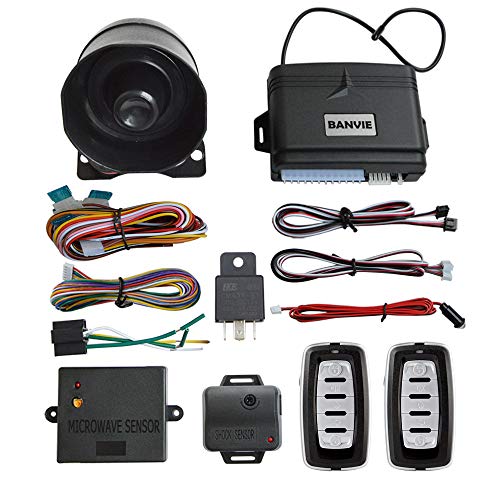
The BANVIE alarm is designed for broad DC 12V vehicle compatibility, excluding older petrol engines. It features a zinc-alloy remote controller with resilient buttons for long-term use. The system offers keyless entry functions such as lock/unlock, car finding, trunk release, and light flash. A 110dB siren pairs with a shock sensor and microwave sensor for active deterrence. It also supports a silent alarm mode for discreet operation. This option targets drivers seeking a straightforward upgrade to standard factory security.
Shudyear Solar Power Dummy Alarm

This model is a solar-powered LED flashing security light designed to mimic an anti-theft system. It includes USB charging as a backup for days with insufficient sunlight. The device flashes every 5 seconds to resemble a real alarm and can operate for up to about a week on a full charge. It serves as a visual deterrent and complements other security measures without relying on an audible siren.
ELECTOP 120dB Car Alarm

This 2-in-1 system combines a high-decibel alarm with a red strobe for maximum visibility. It uses a 3D motion sensor plus AI-based detection to reduce false alarms while remaining sensitive to genuine disturbances. The upgraded ring-shaped strobe provides 360° illumination, increasing deterrence and drawing attention to attempted thefts. It is suitable for cars, trucks, and SUVs seeking robust, modern protection with enhanced signaling.
LNKERCO 108dB Car Alarm

The LNKERCO system uses a vibration sensor to trigger a loud 108dB alarm and red light, with a simulated dummy alarm feature to warn when arming. It offers three volume levels (108dB, 102dB, 96dB) to fit different parking environments. The red flashing light provides visual deterrence during both arming and alarm events, making it a practical option for multi-location protection on RVs, SUVs, or trucks.
PADONOW Wireless Remote Bike Alarm
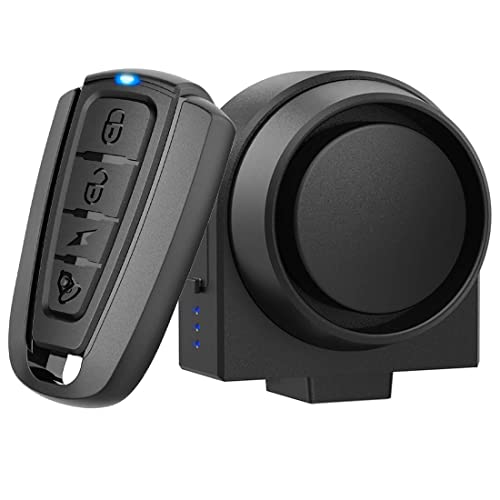
A versatile anti-theft device designed for bikes, motorcycles, and similar vehicles. It features a built-in motion sensor and a 115dB siren to deter thieves effectively. The remote control allows for three levels of sensitivity, enabling precise activation with light taps or more deliberate handling. This model suits urban riders and casual users seeking a portable, highly audible deterrent.
Buying Guide
Key purchase considerations when choosing a car alarm include vehicle type, installation complexity, and desired alert method. If you drive a modern car with a factory security system, a supplementary alarm with silent mode offers layered protection without escalating nuisance alarms. For frequent parking in busy areas, louder sirens paired with visible strobe lights can deter thieves more effectively than sound alone.
Sensor technology matters. Devices with motion and shock sensors can differentiate between incidental bumps and actual attempts, reducing false alarms. AI-assisted or multi-stage sensors generally provide better accuracy, though they may come at a higher cost. Consider whether you prefer audible alerts only, visual signals, or a combination of both for maximum deterrence.
Power source and installation are practical concerns. Solar-powered or USB-rechargeable units avoid battery maintenance and are ideal for vehicles with limited electrical access. Wireless, magnetic, or plug-and-play models simplify installation in rental cars or temporary setups. Check compatibility with your vehicle’s power system and whether professional installation is recommended.
Durability and weather resistance are also important, especially for outdoor vehicles or motorcycles. Look for IP-rated housings and corrosion-resistant components if you operate in harsh climates. Finally, verify whether the system supports silent operation, remote control, and compatibility with existing car electronics such as power windows or keyless entry.
In summary, the best choice depends on your security goals and daily use. For high-visibility deterrence with strong alerts, models like ELECTOP or LNKERCO offer robust signaling. If you prefer a low-maintenance deterrent that works with solar power or a visual cue, Shudyear’s dummy alarm provides a supplementary layer. For portable security on bikes or motorcycles, PADONOW adds effective, compact protection. Each option provides distinct advantages for varying parking environments and risk levels.