Best 2-Cycle Oil for Small Engines: Top Picks for Reliable Lubrication
Choosing the right 2-cycle oil for small engines—chainsaws, trimmers, blowers, and other outdoor power equipment—helps protect against wear, reduces carbon buildup, and improves starting and running stability. The following selections represent well-regarded blends that meet common mix ratios and performance needs. This guide compares top options from reputable brands to help you pick the best oil for your equipment and climate.
Summary of chosen products:
| Product | Brand | Typical Use | Notes |
|---|---|---|---|
| Briggs & Stratton 2-Cycle Easy Mix Motor Oil – 16 Oz. | Briggs & Stratton | Outdoor power equipment, general 2-cycle mix | Includes fuel stabilizer; marketed for multiple brands |
| VP Racing 2907 Full-Synthetic 2-Cycle Oil | VP Racing | Small engines, low smoke and easy starts | Reduces carbon buildup; anti-oxidants for fuel longevity |
| Husqvarna XP+ 2 Stroke Oil | Husqvarna | OEM-grade lubrication for 2-stroke units | Genuine replacement part; bulk packaging available |
| Husqvarna 3-Pack XP Synthetic Blend 2-Cycle Oil | Husqvarna | Regular maintenance via pre-measured bottles | Three bottles, blends suitable for common mixes |
| Arnold 2-Cycle Engine Oil Mix | Arnold | Chainsaws, trimmers, blowers; multiple mix ratios | 16 oz bottle with versatile mix ratios |
Briggs & Stratton 2-Cycle Easy Mix Motor Oil
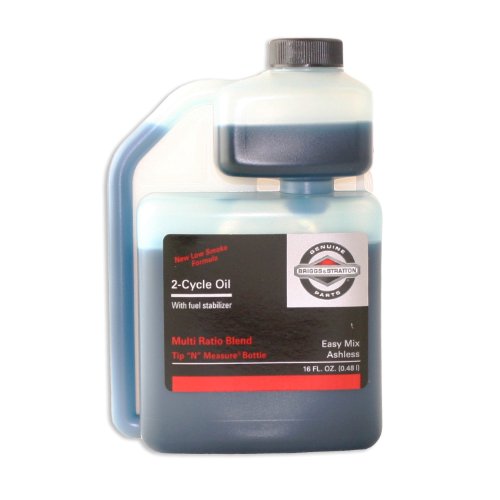
Briggs & Stratton presents a 16-ounce bottle designed for simple mixing and reliable lubrication. The formula is a two-cycle oil with an integrated fuel stabilizer that leaves no residue and helps prevent plug fouling. It is promoted for use with common 2-cycle outdoor power equipment from various brands, including Toro and Toro-compatible models. This option prioritizes user convenience and compatibility, making it a solid choice for homeowners who want straightforward maintenance without complex instructions.
VP Racing 2907 Full-Synthetic 2-Cycle Oil

VP Racing’s 2907 is a full-synthetic oil designed for small engines, emphasizing ease of starting and reduced smoke. The formula helps minimize carbon build-up and keeps piston rings clean, contributing to longer engine life. It includes anti-oxidants to help maintain fuel stability, extending the usable life of both the oil and the fuel blend. It’s a good option for users seeking high-performance lubrication with cleaner exhaust characteristics.
Husqvarna XP+ 2 Stroke Oil

Husqvarna’s XP+ 2-stroke oil is presented as a genuine replacement part packaged in a bulk-friendly format. It’s positioned for owners who want authentic Husqvarna quality and reliable lubrication for their two-cycle engines. The packaging suggests proper identification and installation alignment with Husqvarna equipment, ensuring compatibility and support for factory-grade performance and maintenance schedules.
Husqvarna XP Synthetic Blend 2-Cycle Oil (3-Pack)

The 3-pack from Husqvarna contains 2.6-ounce bottles of XP Synthetic Blend 2-Cycle Oil. Each bottle is designed to mix with one gallon of gasoline, making it convenient for regular maintenance and consistent mixing. The included funnel from Power Performance facilitates clean, precise measurements, reducing spills and waste while ensuring the correct oil-to-gas ratios for common equipment.
Arnold 2-Cycle Engine Oil Mix

Arnold’s 2-cycle engine oil comes in a 16-ounce bottle, appealing to users who need a versatile option for chainsaws, trimmers, and blowers. It supports common mix ratios such as 32:1, 40:1, and 50:1, providing flexibility for different engines and climates. The oil is described as offering superior lubrication for critical components, aiming to deliver smooth operation and wear protection across a range of equipment.
Buying Guide: Key Purchase Considerations
When selecting a 2-cycle oil for small engines, consider the following factors to ensure compatibility and performance:
- Oil type: Choose synthetic, semi-synthetic, or mineral blends based on engine design and operating conditions. Full synthetic oils often offer cleaner burning and better protection at extreme temperatures.
- Mix ratios: Confirm the recommended fuel-to-oil ratio for your equipment. Many consumer tools use 40:1 or 50:1, while professional tools may require different ratios.
- Stability and additives: Look for fuel stabilizers, anti-oxidants, and detergents that prevent varnish buildup, carbon deposits, and fuel degradation over time.
- Smoke and emissions: Lower-smoke formulas can improve visibility and reduce engine fouling, especially in humid or dusty environments.
- Brand compatibility and OEM guidance: Using oils recommended by the equipment manufacturer can preserve warranty and optimize performance.
- Packaging and measurement ease: Pre-measured bottles or clear measuring guidelines help prevent accidental over- or under-fueling.
- Storage and shelf life: Anti-oxidant protection helps extend oil life after opening, which is important for infrequent users.
Across the options, users should balance convenience, performance, and equipment compatibility. For casual backyard use, blends with user-friendly packaging and fuel stabilizers offer practical value. For higher-demand scenarios or older engines, a full-synthetic option with strong deposit control can help maintain engine cleanliness and reliability. Always follow the equipment manual and never mix oils beyond the manufacturer’s specified ratios.