Best Cleaners for EGR Valve and Related Emissions Systems
Choosing the right cleaner for EGR valves and related intake components can help restore performance, improve fuel economy, and reduce soot and carbon buildup in modern engines. The following selections cover a range of modern diesel and gasoline systems, from GDI and turbocharged engines to older carbureted setups. Each product is designed for use through the intake or directly on the EGR path, with considerations for compatibility and application method. This guide highlights five strong options and summarizes their core benefits to help you decide what fits your vehicle best.
| Product | Brand | Key Benefit |
|---|---|---|
| EGR System Cleaner | Chrysler | Direct EGR system cleaner, dilution required |
| CRC GDI IVD Intake Valve & Turbo Cleaner | CRC | GDI/ turbo focused, high-concentration detergency |
| Gumout Foaming Intake Valve & Turbo Cleaner | Gumout | Deep foaming formula for valves, turbo, and chambers |
| MotorPower Care GDI Induction Cleaner | MotorPower Care | Induction cleaner for valves, EGR, and turbo |
| UView DieselTune EGR System Cleaner | UView | Diesel EGR cleaning and airflow restoration |
Note: Each option has unique application requirements, including compatibility with turbocharged, GDI, diesel, or older systems. Always follow the product label directions and consult your vehicle’s service manual before use.
EGR System Cleaner
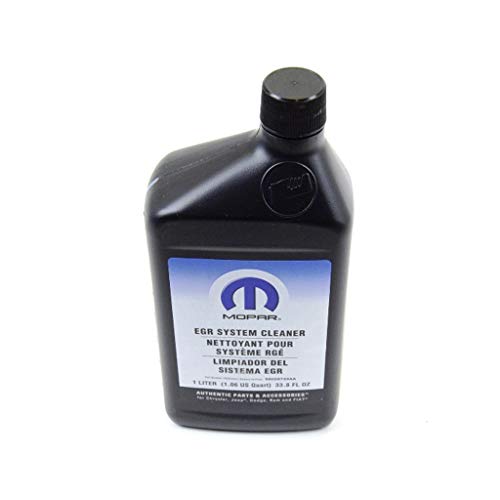
The Chrysler EGR System Cleaner is designed for direct cleaning of EGR pathways. The product is sold in a formulation that must be diluted with water, aligning with traditional service practice for certain engines. Its packaging notes dimensions and weight, which help determine proper storage and mixing ratios for shop use. This cleaner supports the removal of carbon deposits specifically within EGR conduits, enabling smoother exhaust flow and potentially reducing throttle hesitation related to buildup. It is suitable for vehicles where the EGR system is a known source of performance impairment.
CRC GDI IVD Intake Valve & Turbo Cleaner

CRC’s GDI IVD Intake Valve & Turbo Cleaner is formulated to address carbon buildup on intake valves and turbo systems, particularly in modern direct-injected engines. It is designed for easy installation through the air intake system and uses a high-concentration PEA detergency that targets stubborn deposits. This product is favored for engines where carbon buildup on intake valves reduces performance and fuel economy. Users should ensure compatibility with their specific GDI or turbocharged setup and follow dilution instructions as required by the label.
Gumout Foaming Intake Valve & Turbo Cleaner

Gumout’sFoaming Intake Valve & Turbo Cleaner uses a robust foaming formula designed to cling to surfaces inside the intake manifold, valves, and combustion chamber. The deep cleaning action targets carbon deposits and varnish buildup that can hinder airflow and throttle response. This cleaner is marketed as safe for turbocharged and GDI engines, making it a versatile choice for modern engines susceptible to carbon buildup. Application requires following the dilution and usage directions to maximize efficiency while protecting sensitive components.
Gumout 800002231 Carb/Choke Cleaner Spray

Gumout’s Carb/Choke Cleaner is designed to rapidly remove gum, varnish, and dirt from inside and outside carburetors and choke valves. While carbureted engines are less common in the latest model years, this product remains valuable for older and performance-focused setups where fuel delivery and idle stability are compromised by buildup. It offers cleaning action that can improve engine performance and fuel economy by restoring proper carburetor function, though users should verify suitability for non-carbureted engines before use.
MotorPower Care GDI Induction Cleaner

MotorPower Care’s GDI Induction Cleaner targets induction systems, including EGR valves and turbochargers, with a professional-grade formula that removes carbon deposits and dissolves buildup. It emphasizes compatibility with a wide range of vehicles and engines, including both diesel and gas. The product requires an induction canister for use, which is a consideration for shops and serious DIY enthusiasts. The cleaner aims to improve performance, efficiency, and throttle response by restoring cleaner airflow and combustion passages.
Solder-It Catalytic Converter Cleaner

Solder-It Catalytic Converter Cleaner and Deodorizer is a fuel additive designed to support catalytic converter function by removing system build-up. It also helps reduce foul odors from exhaust and can act as an oxygen sensor cleaner within functional catalytic systems. This option focuses on maintaining converter efficiency and odor control, which can indirectly benefit emissions-related components by reducing downstream deposit formation and ensuring cleaner exhaust gas composition.
UView DieselTune EGR System Cleaner

UView’s DieselTune EGR System Cleaner provides a comprehensive cleaning solution for diesel engines, specifically targeting EGR valves, passages, and intakes. It dissolves carbon buildup and soot residues to improve engine efficiency and restore airflow. The non-corrosive formula is designed to be safe for modern diesel engines, including a variety of EGR system designs. Practicalities include ensuring the cleaner is suitable for your diesel model and following the recommended usage steps for optimal results.
Wynn’s Diesel Turbo Cleaner

Wynn’s Diesel Turbo Cleaner is designed to remove carbon build-up and free sticking vanes in diesel turbochargers. It also targets residues in the diesel oxidation catalyst and EGR valve, with the aim of restoring engine power and reducing soot emissions. The product promises cleaner exhaust flow and improved throttle response, which can contribute to smoother engine performance and better overall efficiency in diesel applications where carbon deposits are common.
Buying Guide: Key Purchase Considerations
- Engine type and system compatibility: Verify whether the cleaner is formulated for GDI, turbocharged, diesel, carbureted, or mixed systems to prevent adverse reactions.
- Application method: Some cleaners are added through the intake, others require an induction canister, and some are formulated as additives for the fuel or exhaust. Choose the method that matches your service setup.
- Detergency strength: Higher-concentration formulas target more stubborn deposits but may require precise dilution. Always follow label instructions and safety guidelines.
- Potential effects on emissions equipment: Consider how cleaning deposits may affect catalytic converters, oxygen sensors, DOC, and EGR components, and ensure compatibility with your vehicle’s emissions controls.
- Vehicle age and maintenance history: Older engines with heavy buildup may benefit from more robust cleaners, while newer engines may require gentler formulations to protect sensitive components.
- Shop vs. DIY use: Some products are designed for professional use with induction canisters or specialized equipment; others are DIY-friendly with straightforward spray or dilution instructions.
- Safety and handling: Wear appropriate PPE, work in a well-ventilated area, and store products per manufacturer recommendations to avoid exposure or accidental damage.
Choosing the right cleaner involves balancing engine type, cleaning goals, and your preferred application method. When used correctly, these cleaners can help maintain airflow, reduce carbon buildup, and support smoother engine operation over time.