Best 2 Stroke Oil for Older Outboards: Trusted Marine Lubricants
Choosing the right 2-stroke oil for older outboards helps protect engine components, prevent corrosion, and maintain peak performance. This guide highlights top synthetic and semi-synthetic blends favored by American boaters, with practical notes on premix and oil-injected systems.
Summary of selected products:
| Product | Brand | Volume | Format | Key Benefit |
|---|---|---|---|---|
| Quicksilver Premium Plus 2-Stroke Synthetic Blend Marine Engine Oil, 32oz | Quicksilver | 32 oz | Synthetic Blend | Superior lubrication; corrosion protection |
| Quicksilver Premium Plus 2-Stroke Synthetic Blend Marine Engine Oil, 1 Gallon | Quicksilver | 1 gal | Synthetic Blend | Excellent protection for oil-injected or premix systems |
| Lucas Oil Products 2 Stroke Oil, 2-Cycle Marine, Semi-Synthetic, 1 gal Jug | Lucas Oil | 1 gal | Semi-Synthetic | US-made, reliable performance for small engines |
| Valvoline 2-Stroke Multi-Purpose TCW-3 Motor Oil, 1 Quart | Valvoline | 1 qt | Traditional TCW-3 | Ashless detergents; wear protection |
| Yamaha Yamalube Outboard 2M Marine 2-Stroke Oil, 1 Gallon | Yamaha Motor | 1 gal | Semi-Synthetic | Industry-standard guard against deposits |
Quicksilver Premium Plus 32oz 2-Stroke Oil

Quicksilver Premium Plus 2-Stroke Synthetic Blend provides enhanced lubrication for all 2-cycle outboards, PWC, and small engines. The formulation is designed to prevent corrosion in the combustion chamber as well as intake and exhaust passages. It is suitable for use in oil-injected systems or premixed fuels, offering solid protection in varied operating conditions commonly faced by older outboards.
Quicksilver Premium Plus 1 Gallon 2-Stroke Oil

This gallon-size option shares the same high-performance benefits as the 32-ounce bottle, delivering robust wear protection and corrosion resistance for older outboards. Its compatibility with both oil-injected systems and premix setups makes it a versatile choice for a mixed fleet or aging engines that see inconsistent maintenance schedules.
Lucas Oil 2-Stroke Oil, 2-Cycle Marine

Lucas Oil 2-Stroke Oil presents a semi-synthetic blend that supports small marine engines with reliable lubrication. It’s packaged in a 1-gallon jug, making it a practical option for owners who prefer bulk purchases or routinely service multiple units. It emphasizes ease of mixing and consistent performance across varying temperatures.
Valvoline 2-Stroke Multi-Purpose TCW-3 Oil
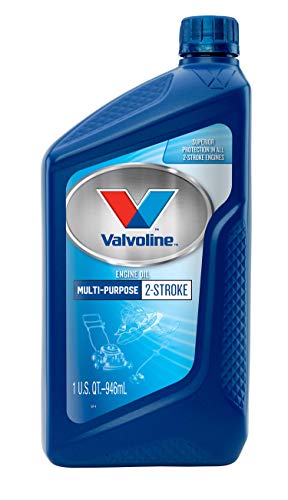
Valvoline TCW-3 oil is formulated for most high-revving, small 2-stroke engines, with both air-cooled and water-cooled designs. It supports pre-mix and fuel-injected engines and includes detergents and dispersants to minimize piston deposits. This makes it a dependable option for older outboards that still rely on carbureted or early EFI systems.
Yamaha Yamalube Outboard 2M Marine 2-Stroke Oil

Yamalube Outboard 2M is a semi-synthetic blend designed to guard against power loss from ring stick and carbon buildup. It is formulated to meet Yamaha’s performance standards while offering broad compatibility for older outboard models. The gallon size supports longer maintenance cycles on fleets or boats with multiple engines.
Buying Guide: Key Purchase Considerations
Choosing the right 2-stroke oil for older outboards involves weighing formulation, compatibility, and operating conditions. Consider the following perspectives to make an informed choice.
- Oil type and compatibility: For oil-injected systems, synthetics and semi-synthetics that advertise “premix or oil-injected” compatibility provide flexibility. If you strictly premix, a stable premix-rated oil reduces foaming and ensures consistent lubrication.
- Performance under temperature: Older outboards may experience temperature swings. Oils rated for wide temperatures or all-weather performance help maintain lubrication in cold starts and hot operating conditions.
- Detergents and deposit control: Look for additives that minimize piston deposits and carbon buildup, especially for engines with carburetors and older EFI systems prone to deposits.
- Detoxifying and corrosion inhibitors: Corrosion protection in combustion chambers and passages is critical in marine environments where salt exposure is common.
- Availability and volume: If you service multiple engines, bulk options (1 gallon) can simplify maintenance scheduling, while smaller bottles are convenient for portable boats.
- Brand reputation and compatibility with the engine manual: Always cross-check the owner’s manual for the recommended API/TCW-3 standards and brand compatibility to avoid mismatched lubrication.
- Environmental and handling considerations: Choose products with clear labeling on safe handling, disposal, and any required PPE for storage and use.
In summary, for older outboards, prioritize oils that deliver robust lubrication, corrosion protection, and compatibility with both premix and oil-injected systems. The listed options cover a range of blends and volumes that align with common maintenance practices for aging marine engines.