Best Bike Electric Conversion Kits for Quick DIY Upgrades
Choosing a bike electric conversion kit lets riders turn a regular bike into a capable electric commuter or trail explorer without buying a new e-bike. This guide highlights five reputable options, explaining what each kit brings to the ride, installation notes, and suitability for different bikes. Whether you commute, cruise scenic roads, or tackle hills, these kits cover a range of power, control, and ease of use to help you pick the best fit for your bike and riding style.
Summary table of selected products
| Product | Brand | Key Benefit | Wheel Type |
|---|---|---|---|
| LIVALL Lite PikaBoost2 E-Bike Assist Kit | LIVALL | Quick rear-wheel installation, uphill assist, user-friendly app | Rear-wheel |
| FONSOLUM Electric Bicycle Motor Kit | FONSOLUM | All-in-one kit with muscle for DIY builds | Various wheels (16-28″) |
| VEVOR 1000W E-Bike Conversion Kit | VEVOR | High power with LCD display and PAS | Front wheel |
| BAFANG Mid Drive Kit 750W/1000W | BAFANG | Mid-drive torque and modular parts | Bottom bracket 68-73mm |
| PEXMOR 1200W Front Wheel Kit | PEXMOR | High power with 3-mode controller and PAS | Front wheel |
Note: Always verify compatibility with your specific frame, wheel size, and braking system before purchasing. Some kits require compatible seat posts, handlebars, or bottom brackets to fit properly.
LIVALL Lite PikaBoost2 E-Bike Assist Kit
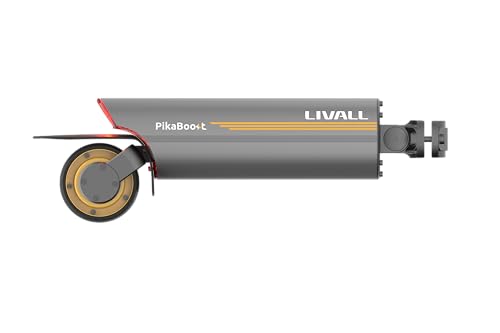
The LIVALL PikaBoost 2 adds a rear-wheel mounted assist with a compact 158Wh battery, focusing on quick installation and clean integration with minimal wiring. It supports switching between electric-assist and manual riding with ease, making it suitable for riders who want a straightforward upgrade. The kit benefits from smart uphill assist via sensors, helping with hills when climbing or shifting gears. Important installation notes include a 65W USB-C charger requirement, the need for a round seat post between 25–35 mm, and at least 5 cm of clearance under the saddle. A dedicated app is recommended to keep firmware up to date. Controller compatibility is a consideration since the model notes that the controller is not included.
Pros: Simple rear-wheel install, uphill assist, integrated operation without excessive wiring. Cons: Controller not included; rear-suspension bikes may require alternatives; app updates are necessary for optimal performance.
FONSOLUM Electric Bicycle Motor Kit

The FONSOLUM kit ships with a 24V 250W DC motor and an accessory suite designed for straightforward assembly. It fits 16-28 inch wheels and is compatible with a range of DIY projects beyond bicycles, including scooters and skateboards. The kit uses durable aluminum, iron, and copper components with a protective baking finish to enhance longevity and abrasion resistance. It comes with all major components for a DIY build, including a motor controller, mounting plate, accelerator, and freewheel hardware. The broad wheel compatibility makes it a versatile option for riders who want a compact, value-driven upgrade.
Pros: Solid all-in-one package, wide wheel compatibility, durable construction. Cons: Lower power output relative to high-performance builds, may require additional parts for complete bike integration.
VEVOR 1000W Electric Bike Conversion Kit

The VEVOR kit delivers robust performance with a 1000W hub motor, 420 rpm, and up to 50 N.m of torque. It’s designed for 26-inch wheels with a front wheel setup and includes a high-definition LCD display to monitor ride data such as speed, distance, PAS level, and battery life. The motor is copper-core for heat and cold resistance, which helps maintain stable performance in varying conditions. A key feature is its relatively quiet operation with a reported 65 dB noise level, contributing to a refined riding experience on diverse terrains.
Pros: High power and torque, informative LCD display, durable copper-core motor. Cons: Front-wheel configurations may affect steering feel for some riders; installation can be more involved on non-standard frames.
BAFANG Mid Drive Kit (BBS02B/BBS-HD)

The BAFANG BBS02B/BBS-HD mid-drive kit is designed to fit 68-73 mm bottom brackets and supports a range of wheel sizes and bike types, including mountain and city bikes. It delivers impressive torque (up to 100/120/160 N.m) and speeds up to 45 km/h, enabling strong hill climbing and fast commutes. The kit includes a broad set of accessories and options for display and throttle integration, with compatibility for disc or V-brake setups and a chain-driven drivetrain. This mid-drive approach distributes power through the crank, leveraging the bike’s gears for efficiency at varying speeds.
Pros: Strong torque and customizable components; efficient use of gears; versatile for different bike styles. Cons: Installation is more complex; requires compatible bottom bracket and frame standards; higher upfront complexity than hub-motor kits.
PEXMOR Electric Bike Conversion Kit (1200W Front Wheel)

The PEXMOR 1200W front-wheel kit emphasizes high power output with an upgraded three-mode controller that supports PAS, twist throttle, and preset modes. It is designed to fit 26-inch frames with standard front dropout spacing and includes a PAS system for pedal-assisted riding. The sine-wave controller aims to deliver efficient, smooth performance with reduced noise. The kit is well-suited for riders seeking a robust boost for urban commuting or light off-road adventures and provides a straightforward front-wheel upgrade path for compatible bikes.
Pros: High power with multiple control modes; straightforward front-wheel installation. Cons: Front-wheel setups can alter steering feel; may require braking system adjustments to manage power efficiently.
Buying Guide: Key Purchase Considerations
Power and wheel placement: Hub motors (front or rear) provide straightforward installs, while mid-drive kits offer better hill-climbing and drivetrain efficiency but require frame compatibility and more technical installation. If you ride hilly terrain or want natural gear-shifting integration, mid-drive options may suit you better.
Compatibility: Check wheel size, brake type, bottom bracket dimensions, seat post clearance, and dropout spacing. Some kits demand specific frames or additional adapters. Measure critical clearances under the saddle or around the crank area to avoid fit issues.
Controller and display: A reliable controller with multiple ride modes and a clear display helps tailor power delivery to conditions. Some kits include LCD displays and PAS, while others rely on simple throttles. Ensure the controller supports safe braking integration (motor cut-off on braking).
Installation effort: Hub-motor kits are typically easier for DIY upgrades, whereas mid-drive systems require more mechanical work and possibly professional installation. Consider whether you want a quick upgrade or a long-term project with upgrade paths.
Battery options and range: Battery capacity and weight influence the weight balance and balance of pedal effort. Confirm whether a battery is included or optional, and understand the charging requirements (for example, the need for specific charger types or firmware updates).
Maintenance and warranty: Look for kits with robust customer support, abundant replacement parts, and documented maintenance guidelines. Some brands offer firmware updates and smartphone app integration to optimize performance over time.
Budget and intended use: For casual commuting, a lighter, simpler kit may suffice. For more demanding use or longer rides, a higher-power kit with good cooling and durable components is advantageous. Align the kit’s power and efficiency with your typical riding profile.