Best Tuner for LS Engines: Top Bench Harnesses and ECU Programmer Guides
The LS engine family remains a cornerstone for performance builds and tuning projects. This guide highlights five reliable tuners and bench harnesses designed for Gen III LS ECUs (4.8L, 5.3L, 6.0L) from 1999–2007, including diagnostic and programming capabilities via the OBDII port. Each option supports popular tuning software and provides a simple power supply setup for bench testing. Read on to compare compatibility, power requirements, and installation notes to choose the right tuner for your LS swap or engine rebuild.
Summary of selected products
| Product | Brand | Key Use | Compatibility | Power |
|---|---|---|---|---|
| Gen 3 ECM Engine Programming Bench Harness | TIKSCIENCE | Bench tuning and testing | 1999–2007 LS Gen III | 12V wall adapter |
| LS Gen 3 ECM Engine Programming Control Module Reader | AMHTDOL | Programming and diagnostics | LS Gen III 1999–2007 | 12V wall adapter |
| SUPERCHIPS FLASHPAQ F5 In-Cab Tuner | Southwest Speed | Vehicle tuning (gas/diesel) | GM trucks 1999–2016 | Not specified here |
| LS Gen 3 ECM Engine Programming Flashing Tuning Control Module Reader | PARANNIC | Bench tuning and diagnostics | LS Gen III 1999–2007 | 12V wall adapter |
| — | — | — | — | — |
Gen 3 LS Bench Harness With Power Supply
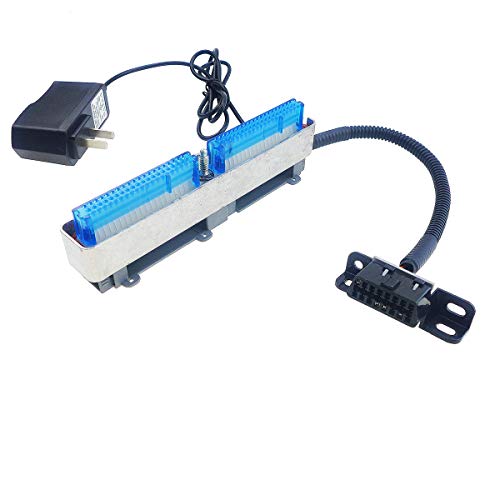
Designed for Gen 3 LS ECUs from 1999 to 2007, this bench harness powers the BLUE PCM connector and the OBDII port via a single 12V supply. The kit supports tuning or diagnostics through major software suites such as EFI Live, HP Tuners, and Tuner Cats. It connects to a standard wall outlet and includes the essential 12V adapter, OBDII port, and the BLUE side connector for the LS computer. Green or red connectors are not required for tuning, simplifying setup.
Key strengths include straightforward compatibility with common tuning platforms and a focused bench-tuning workflow. The harness is constructed to interface cleanly with LS engines and provides a stable power source during bench experiments, making it a practical choice for controlled testing environments.
LS Gen 3 ECM Engine Programming Read/Diagnostics Kit
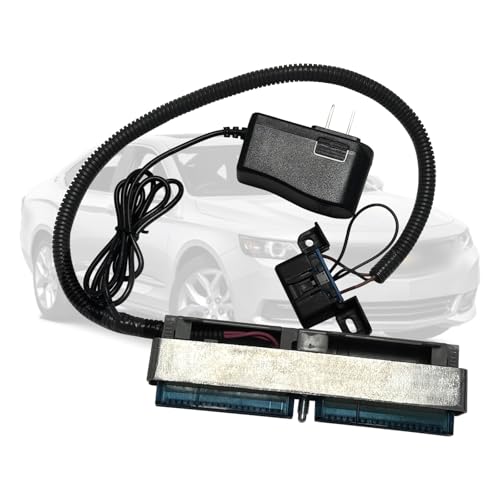
Specifically tailored for GM Chevy 1999–2007 LS Gen III ECM/PCM programming and diagnostics, this bench-harness works with HP Tuners and standard OBDII tools. The design uses a single 12V wall adapter to power both the BLUE PCM connector and the OBDII port. Only the BLUE PCM connector is required for tuning, which streamlines operation. Tuning software compatibility covers major players in the industry, ensuring a versatile testing setup for bench and diagnostic uses.
The complete kit typically includes the bench harness, a 12V power supply, and an OBD2 adapter, making it a convenient all-in-one solution for bench tuning and ECU programming on Gen III LS engines.
SUPERCHIPS FLASHPAQ F5 In-Cab Tuner

The FlashPAQ F5 is a versatile tuner designed for GM gasoline and diesel engines, including trucks from 1999 through 2016. While the product line emphasizes in-cab tuning for on-vehicle use, it is frequently cited for its broad ECU mapping capabilities and user-friendly interface. This option is suitable for enthusiasts seeking a plug-in tuning solution with a track-ready feature set, though it may not be a bench-only harness like the Gen III harnesses.
As with other tuners in this category, compatibility with a range of software and the ability to push performance changes safely is a major consideration. For LS-based builds that require in-cab tuning alongside bench testing, this device can provide flexible options for field adjustments and data logging.
LS Gen 3 ECM Engine Programming Flashing Kit

PARANNIC’s Gen 3 bench harness targets LS engines from 1999 to 2007, providing a plug-and-play solution for bench tuning via the OBDII port. It includes a 12V wall adapter and the BLUE side connector, avoiding the need for green or red connectors during tuning. The kit is designed to support a wide array of tuning software, including EFI Live, HP Tuners, and Tuner Cats, making it a versatile option for hobbyists and professionals alike.
With a focus on bench tuning, the harness facilitates testing and tweaking of Gen III LS PCM functions. Its straightforward setup reduces complexity for users performing routine ECU programming and diagnostics in a workshop or home garage environment.
Buying Guide: Key Purchase Considerations For LS Engine Tuners
- Compatibility with Gen III LS ECUs: Confirm support for 1999–2007 LS 4.8L, 5.3L, and 6.0L configurations, and ensure the harness uses the BLUE PCM connector as the primary tuning path.
- Power supply and connections: Look for a 12V wall adapter to power both the PCM and OBDII ports. Verify that only essential connectors (blue PCM connector and OBDII) are required for your tuning workflow.
- Software compatibility: Ensure the device works with your preferred tuning software (EFI Live, HP Tuners, Tuner Cats, etc.). Some bundles advertise broad compatibility; confirm real-world support for your software.
- Bench vs. in-cab tuning: Decide whether you need bench-tuning capabilities, in-cab tuning (on-vehicle), or both. Bench harnesses excel for controlled testing, while in-cab tuners offer on-the-road calibration.
- Assembly and ease of use: Favor kits with clear step-by-step setup, included adapters, and minimal required connectors to avoid miswiring during installation.
- Durability and warranty: Check construction quality and any included warranty. Bench tools endure repetitive connections, so robust build matters for long-term use.
- Documentation and support: Availability of manuals, setup guides, and seller support can accelerate troubleshooting and software calibration tasks.
- Future-proofing: Consider whether the device supports newer software updates or additional LS variants you may encounter in future projects.
- Safety and reliability: Ensure power supply isolation and correct voltage to prevent ECU damage during bench testing or programming.
- Budget and value: Compare kit contents (harness, power supply, adapters) and weigh against anticipated use—bench-only vs. mixed bench/in-cab scenarios.
Across these options, the core objective is reliable communication with the LS Gen III ECU via the OBDII port, stable power delivery, and broad software compatibility. For most DIY tuners focusing on bench testing and calibration, Gen III bench harnesses with a dedicated 12V supply offer the most direct path to consistent results. In-cab tuners provide flexibility when on-road tuning is required, but may add complexity in software licensing and vehicle-specific safety checks. Choosing the right mix depends on your project scope, workshop setup, and preferred tooling ecosystem.