Best Rudder Pedals for PC: Top Flight Simulator Controllers for Realistic Toe-Action
For PC flight sim enthusiasts, precise rudder control is essential to mimic real-world aircraft handling. The following five rudder pedal sets represent a mix of all-metal builds, magnetic Hall sensors, adjustable tension, and compatibility across PC and consoles. Each product emphasizes smooth axis action, accurate toe brakes, and durable construction to suit varying flight styles—from light general aviation to heavy jet operations. The list below highlights options that balance realism, adjustability, and value for serious sim pilots.
| Product | Brand |
|---|---|
| Thrustmaster TFRP Flight Rudder Pedals | Thrustmaster |
| Logitech G Pro Flight Rudder Pedals | Logitech G |
| Turtle Beach VelocityOne Universal Rudder Pedals | Turtle Beach |
| Honeycomb Aeronautical Charlie Rudder Pedals | Honeycomb Aeronautical |
| WINWING Orion Metal Flight Rudder Pedals | WINWING |
The five selections cover a spectrum of technologies—self-centering mechanisms, Hall-effect sensors, adjustable springs and dampers, and metal frame construction—to help you choose based on how you fly, your hardware ecosystem, and how much you value maintenance-free precision over the long term.
Thrustmaster TFRP Flight Rudder Pedals

The Thrustmaster TFRP introduces a compact yet robust rudder pedal solution suitable for PC flight sims and compatible with Xbox One and PlayStation 5. It features a long travel rudder axis designed for precise yaw control and a self-centering mechanism that balances smoothness with returning force for accurate maneuvers. This setup appeals to gamers seeking a realistic pedal feel without overwhelming space requirements in a typical home cockpit.
Key points: long axis travel for nuanced steering; self-centering rudder action to balance precision with return force; compatible with major consoles in addition to PC, expanding cross-platform playability and setup flexibility.
Logitech G Pro Flight Rudder Pedals
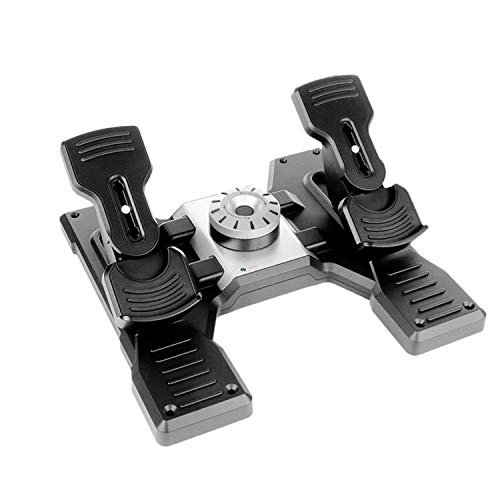
Logitech G Pro Flight Rudder Pedals emphasize smooth, accurate self-centering action and adjustable tension to tailor pedal resistance. They deliver a realistic toe-brake experience with differential braking for more authentic control on runways and during taxi. The modular feel supports a range of aircraft—from light training aircraft to larger jets—by letting you fine-tune pedal force to match your preferred takeoff and landing profiles.
Key points: self-centering pedals with consistent feel; adjustable tension for personal comfort; differential toe brakes for authentic braking and handling under varied weight and speed conditions.
Turtle Beach VelocityOne Universal Rudder Pedals
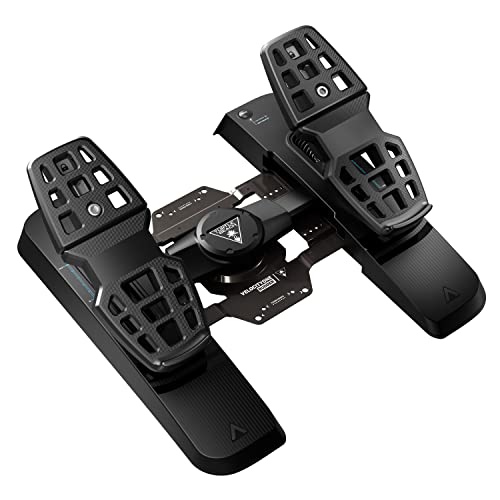
The VelocityOne pedals offer ultra-smooth rudder axis with swappable springs and differential brakes, plus adjustable pedal width. This setup is designed for Windows 10/11 PCs and Xbox ecosystems, with a focus on providing a versatile platform that accommodates both compact desk layouts and more expansive cockpit configurations. The swappable spring system makes it easy to tailor resistance to your preferred flight style, whether you favor agile aerobatics or stable crosswind landings.
Key points: ultra-smooth axis with customizable spring tension; adjustable pedal width for different leg reach; compatible with multiple Windows and Xbox generations for broad compatibility.
Honeycomb Aeronautical Charlie Rudder Pedals

Honeycomb Charlie Rudder Pedals emphasize realism with magnetic Hall-effect sensors and an aluminum pedal construction that delivers precise input translation and durable wear resistance. Independent left and right toe brakes provide enhanced braking precision—particularly useful during takeoffs and landings. The adjustable pedal angles allow for personalized foot positioning, helping users optimize comfort and accuracy across longer sim sessions.
Key points: Hall-effect sensors for wear-free, precise input; aluminum construction with independent toe brakes; adjustable angles for ergonomic comfort and finer control during critical flight phases.
WINWING Orion Metal Flight Rudder Pedals

The WINWING Orion pedals feature a full metal frame and aviation-grade aluminum components, offering a solid, premium feel. Hall sensors are used for precise translation of foot movements, and a quick-switch system supports three control modes with three-second, tool-free switching. A Damper Edition enhances realism with controlled resistance, while a rugged build supports long-term durability in high-use flight sim setups.
Key points: all-metal construction with high wear resistance; Hall sensors for accurate input; fast, tool-free mode switching and optional damper for added realism.
Buying Guide
Choosing the right rudder pedals involves balancing realism, compatibility, and comfort. Consider the following perspectives to inform your decision:
- Integration and ecosystem: If you own a mix of PC and consoles, prioritize pedals with broad compatibility (PC, Xbox, PlayStation) or clear cross-platform support. For PC-only setups, focus on precision and sensor quality.
- Axis precision and sensors: Magnetic Hall-effect sensors provide wear-free performance and consistent input, which is valuable for long-term accuracy. Pedals with self-centering mechanisms help with natural return force, but may feel different across aircraft types.
- Adjustability and ergonomics: Look for adjustable pedal angles, tension or dampers, and pedal width to fit your leg length and seating position. Toe brakes with independent adjustment offer more realistic ground handling for different aircraft.
- Build quality and durability: All-metal frames and high-quality bearings tend to last longer under heavy use. Aluminum pedaling surfaces reduce wear and improve longevity in busy flight sessions.
- Ease of setup and maintenance: Quick-switch modes, tool-free assembly, and easily replaceable springs or dampers can save time and effort when tweaking your cockpit.
- Price-to-performance balance: While premium models offer advanced sensors and materials, many mid-range options deliver excellent realism for most sim enthusiasts. Consider your flight profiles and how often you simulate complex approaches.
When evaluating, test for how the pedals feel during precise yaw corrections, how they respond under differential braking, and how easily you can configure toe brakes to match your aircraft. The right pedal set should integrate seamlessly with your existing hardware, screen resolution, and control mappings to minimize learning time and maximize immersion.