Best 2 Stroke Oil for RC Gas Engines That Delivers Clean Power
Choosing the right 2-stroke oil for RC gas engines is essential for reliable starts, clean burning, and long engine life. This guide reviews top 2-stroke oils commonly used in small RC gas engines, highlighting performance, smoke reduction, fuel stability, and compatibility with premix and injection systems. Whether you race indoors or out, the oils below are well-regarded by hobbyists for balancing power with cleanliness and easier maintenance.
| Product | Brand | Key Benefits |
|---|---|---|
| VP Racing 2907 Full-Synthetic 2-Cycle Oil | VP Racing | Easy start, low smoke, prevents carbon build-up, keeps fuel fresh up to 12 months |
| Red Line 40603 Two-Stroke Oil Racing Synthetic | Red Line | High-performance, racing-grade cleanliness, dyno-proven power gains |
| Valvoline 2-Stroke Multi-Purpose TCW-3 | Valvoline | Versatile for premix and injection, ashless detergents, reduces engine wear |
| Lucas Oil 10115 Semi-Synthetic 2-Cycle | Lucas Oil | Smokeless burning, suitable for oil-injected and premix up to 50:1, balanced blend |
| Powerblend Gold 16 oz 2-Stroke Engine Oil | ECHO | Simple premix compatibility, easy measuring bottle, reliable performance |
VP Racing 2907 Full-Synthetic Oil for Small Engines

VP Racing 2907 is a full-synthetic 2-cycle oil designed for small gas engines, including RC models. The formulation emphasizes easy starting and low smoke operation, which helps maintain clearer exhaust and reduced deposits during extended runs. It also contains antioxidants that help keep fuel fresher for up to a year, reducing the need for frequent oil changes when storage is involved. This oil is well-suited for rider pilots and hobbyists who value consistent starts and cleaner performance across sessions.
Red Line 40603 Two-Stroke Oil Racing Synthetic

Red Line 40603 is positioned for high-performance and racing environments. It is engineered for extreme cleanliness and is widely used in racing and daily applications like motorcycles, marine, and snowmobile racing. This oil is dyno-proven to deliver power gains of 3-5% over longer runs, signaling better combustion and reduced wear under demanding conditions. It suits RC enthusiasts who push engines hard and need consistent power delivery with minimal buildup between maintenance intervals.
Valvoline 2-Stroke Multi-Purpose TCW-3
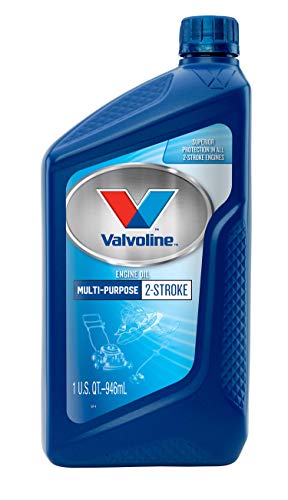
Valvoline’s 2-Stroke Multi-Purpose TCW-3 is designed to work across multiple engine configurations, including air-cooled and water-cooled small engines. It supports premix and injection systems and is formulated to minimize piston deposits with ashless detergents and dispersants. The oil is crafted to minimize wear in high-revving engines, which is beneficial for RC gas engines that experience rapid throttle changes and frequent startup cycles. This makes it a versatile choice for mixed-use RC setups and outdoor applications.
Lucas Oil 10115 Semi-Synthetic 2-Cycle

Lucas Oil 10115 is a semi-synthetic blend tailored for oils-injected systems or premix ratios up to 50:1. It features a smokeless formula aimed at cleaner burning and reduced visible smoke. The blend combines mineral oil, synthetic oil, and low-ash additives to balance wear protection with easy combustion. RC hobbyists often value its dependable performance in a broad range of temps and operating conditions, particularly when engines are tuned for efficiency and longevity.
Powerblend Gold 16 oz. 2-Stroke Oil, 6 Gallon Yield Bottle

Powerblend Gold from ECHO is a 2-stroke engine oil designed for easy premix at 50:1 ratios and easy measuring with a squeeze bottle. The product is positioned as a reliable choice for hobbyists seeking straightforward mixing and dependable lubrication. It supports consistent performance in small gas engines and is well-suited for beginners and seasoned RC enthusiasts who value simplicity and predictable results in field use.
Buying Guide: Key Purchase Considerations
When selecting a 2-stroke oil for RC gas engines, consider the following factors to ensure compatibility and optimal performance.
- Oil type: Synthetic vs semi-synthetic vs mineral. Synthetic oils typically offer better high-temp performance and cleaner burning, while semi-synthetic and mineral oils can be more forgiving in older or lightly tuned setups.
- Premix vs oil-injection: Some RC engines prefer premixed fuel mixtures; others use oil-injection systems. Choose an oil formulated for your engine’s fueling method.
- Smoke and deposits: Lower smoke and reduced carbon buildup contribute to cleaner piston rings and longer engine life, especially in high-rev conditions common in RC racing.
- Stability and storage: Antioxidants that preserve fuel freshness help when engines are stored for extended periods. This is useful for seasonal hobbyists.
- Engine compatibility: Verify that the oil is suitable for air-cooled or water-cooled small engines, and for the specific RPM range typical in RC use.
- Brand and availability: Popular brands with readily available replacement parts and oils can simplify maintenance and troubleshooting.
Performance Perspectives
From a performance standpoint, racing-grade oils like Red Line 40603 emphasize maximum cleanliness and power, which can be beneficial for sport and competition RC vehicles. Oils that focus on smokeless burning and reduced deposits, like Lucas Oil 10115, may offer cleaner operation in engines that run frequently at high throttle. For hobbyists prioritizing ease of use and broad compatibility, products like Valvoline TCW-3 and Powerblend Gold provide versatile options that cover a wide range of RC engines and fueling setups. Always match the oil to your engine design and user manual recommendations.
Maintenance and Long-Term Care
Using the right oil can reduce maintenance frequency and improve reliability. Synthetic formulations tend to resist thermal breakdown better, which is advantageous during long practice sessions. Oils with detergents help keep piston rings clean, while additives that inhibit wear extend component life. Regularly check for signs of fouling, smoke, or difficult starts, and adjust oil-to-fuel ratios as needed based on engine temperature and performance observations.
Additional Considerations
RC gas engines operate under varied conditions, including ambient temperature fluctuations, load changes, and different fuel blends. When selecting an oil, consider the typical weather you fly or race in, your engine’s tuning state, and whether you use a premix or an oil-injection system. If you are new to RC gas engines, starting with a versatile option like Valvoline TCW-3 or Lucas Oil can simplify maintenance while you determine the best match for your setup. For seasoned racers aiming for maximum efficiency, Red Line or VP Racing oils may provide incremental performance gains.