Best Electric Bikes for Every Rider: Top Picks for 2026
Whether you’re conquering hills, commuting, or exploring off-road trails, the world of electric bikes offers powerful options for every adventurer. This guide highlights five standout models that align with the idea of a “world’s best” electric bike—emphasizing power, reliability, and all-terrain capability. Each section includes a linked product, clear image, and the top features that matter most to riders in the United States.
Summary of Selected Models
| Product | Brand | Top Power | Terrain Readiness | Battery |
|---|---|---|---|---|
| H9 Ultra 2-in-1 | Wallke | 4000W peak / 2000W rated | All-terrain, long range | 48V, 55Ah |
| Peak 7500W Dual Motor Ebike | CTVVXXC | 7500W combined | Off-road, steep climbs | 52V, 34Ah |
| EcoE 6000W Dual Motor | EcoE | 6000W | Full suspension, fat tires | 63V, 32Ah |
| Wallke H7 Ultra 2-in-1 | Wallke | 4000W peak / 2000W rated | All-terrain, portable power | 48V, 55Ah |
| RPINT Electric Mountain Bike | RPINT | 1500W peak | Trail and road use | 48V, 15Ah |
Wallke H9 Ultra 2-in-1 Electric Bike

The Wallke H9 Ultra blends riding and off-grid power with a single, powerful platform. It features a true 2000W rated power with a 4000W peak output, enabling strong acceleration and steady hill climbing. A torque sensor supports responsive pedal assist, while the fat tires and air suspension provide a comfortable ride on rugged terrain. The 48V 55Ah battery expands long-range capabilities, aligning with extended weekend adventures without frequent recharges. The design emphasizes reliability, backed by UL-certified safety standards and a single-motor configuration for straightforward maintenance.
7500W Peak Dual Motor Ebike For Adults
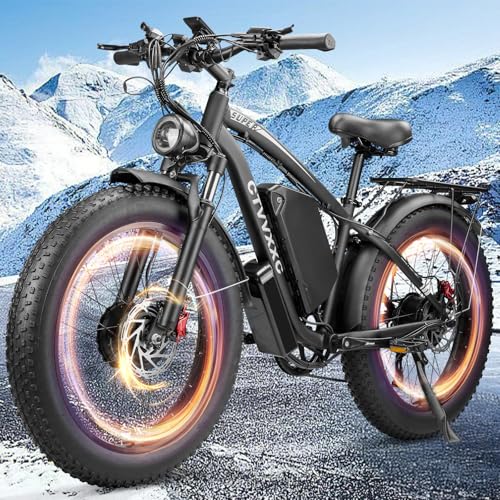
This dual-motor e-bike delivers a combined 7500W peak power, with two motors contributing to exceptional acceleration and high-speed capabilities. A 52V, 34Ah battery supports extended riding ranges, and the bike is designed to conquer steep inclines with up to 200N·m of torque. The fat-tire setup enhances stability on mixed surfaces, while a weather-resistant battery pack and well-integrated electronics work together to support long rides in urban or rugged environments. Users should note weight and complexity can impact maintenance needs over time.
EcoE 6000W Dual Motor Electric Bike

The EcoE platform targets high-power performance with a 6000W dual-motor setup and a 63V battery system. Its 26×4 fat tires and full suspension provide solid off-road capability, while the SHM seven-speed gearing helps riders tailor pedal assist and cruising speed across varied terrain. A note on compatibility with accessories and LCD parameter settings is included to help riders optimize display configurations and ensure consistent performance during different rides.
RPINT Electric Mountain Bike
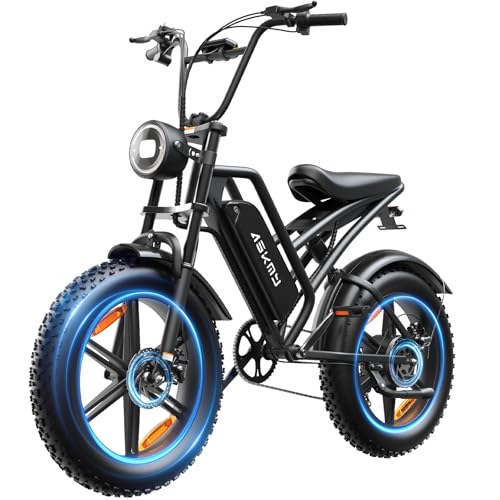
The RPINT entry offers a robust 1500W peak motor and a 48V 15Ah removable battery, delivering up to 40-60 miles with pedal assist. Its 20″ fat tires and full-suspension chassis provide stable handling on diverse terrains, from city streets to dirt trails. The removable battery enables flexible charging options, while the integrated design minimizes downtime between rides. Range and performance can vary based on rider weight and terrain, but the bike is built for dependable all-terrain use.
Funhang Electric Bike For Adults

The Funhang model provides 1000W peak power and a 48V 13Ah removable battery, enabling ranges around 30-60 miles depending on assist level and conditions. It uses 26″ fat tires for confident traction on wet or uneven surfaces and includes practical features such as a rear rack and turn signals for urban riding. A sturdy front fork and 7-speed gearing give riders flexibility on varying grades and routes, making it a versatile option for daily commuting and weekend adventures.
Buying Guide: Key Purchase Considerations And Comparisons
Power versus efficiency: Higher wattage typically delivers quicker acceleration and better hill-climbing ability, but it can also drain batteries faster. Look for a balance between sustained Watts (rated power) and battery capacity to suit your typical riding profile.
Battery size and chemistry: A larger voltage and amp-hour rating generally means longer range, especially with assist. Consider removable batteries for convenience and check charging times with your wall charger. Temperature tolerance is important for year-round riding.
Motor configuration: Single-motor setups tend to be simpler and more reliable, while dual-motor systems offer higher peak power for steep terrain. Review maintenance expectations and the controller design to understand real-world reliability.
Suspension and tires: For off-road or rough urban routes, full suspension and fat tires broaden traction and comfort. Check tire width and tread pattern to ensure compatibility with your usual surfaces.
Weight and frame durability: Heavier bikes may require stronger components and more effort to transport. Ensure the frame materials and weld quality meet your safety expectations for frequent rides.
Safety features: Integrated lights, turn signals, reflectors, and reliable braking systems are essential. UL certifications or safety-tested components can offer extra peace of mind for high-power builds.
Warranty and support: A solid warranty and accessible customer support can save time and money if issues arise. Verify return policies and availability of local service options.
Target riders: If you primarily ride in urban environments, prioritizing efficiency and compactness matters. For trail and mountain use, focus on power, suspension, and traction. For long-range commutes, battery range and charging flexibility are key.
Price versus value: High-powered bikes bring performance benefits, but assess total cost of ownership, including maintenance, replacements, and potential upgrades, to determine long-term value.