Best Synthetic 2-Cycle Oil for Powersports and Small Engines
Exploring the best synthetic 2-cycle oil helps protect modern engines, improve performance, and simplify maintenance for ATVs, jet skis, snowmobiles, and more. This guide reviews top options designed for premix and direct injection systems, emphasizing clean burning, reduced smoke, and longevity under demanding conditions. Below, you’ll find five strong choices aligned with common power sport applications and a practical buying guide to help compare features, compatibility, and long-term value.
style=”display:none;”>Summary
| Product | Brand | Engine Type | Best For |
|---|---|---|---|
| TRIAX Power Sport 2T Full Synthetic | Triax | Premix & Direct Injection 2-Cycle | Off-road, Jet Skis, Snowmobiles |
| VP Racing 2907 Full-Synthetic 2-Cycle | VP Racing | Small Engines | Easy starts, low smoke |
| STA-BIL Full Synthetic 2-Cycle Oil | STA-BIL | Premix | Long-term storage, fuel stabilizer |
| Stens 770-160 2-Cycle 50:1 | Stens | Premix | Budget friendly 50:1 mix |
| TRIAX Power Sport 2T Full Synthetic (Quart) | Triax | Premix & Direct Injection | Versatile, high-performance engines |
TRIAX Power Sport 2T Full Synthetic, 1 Gallon

This full synthetic 2-cycle oil is designed for air and liquid-cooled, high-performance engines used across powersports. It supports premix and direct injection systems and is compatible with a wide range of brands. The formulation focuses on clean burn technology to minimize smoke, reduce carbon buildup, and maintain piston-ring cleanliness. Engine performance benefits include smoother operation, faster RPM climb, and improved torque under demanding off-road or racing conditions.
TRIAX Power Sport 2T Full Synthetic, 1 Quart

This quart-sized version of TRIAX’s versatile synthetic 2-cycle oil maintains the same core benefits as the gallon option. It’s built for direct injection and premix usage across ATVs, UTVs, snowmobiles, watercraft, and dirt bikes. Expect a virtually smokeless burn, consistent lubrication, and reliable performance during hard driving, off-road racing, or rapid acceleration, ensuring engines stay clean and responsive across seasons.
Husqvarna HP SYNTH 2-Cycle Oil, 2.6 oz
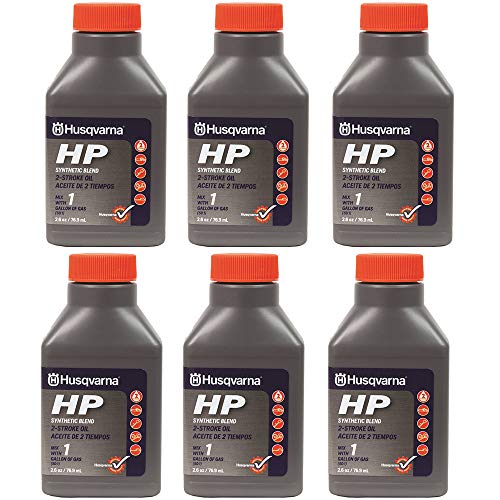
Husqvarna’s small-bottle synthetic option provides convenience for direct injection and premix systems. It’s marketed toward Husqvarna equipment but compatible with other 2-stroke engines when used at appropriate ratios. The formula emphasizes ease of starting and reduced smoke, with packaging designed for on-the-go use. This oil is suitable for loaders, trimmers, and light-duty powersports tasks where quick, clean lubrication matters most.
Husqvarna XP Synthetic Blend 2-Cycle Oil, 6-Pack

This bulk pack provides 2.6-ounce bottles of Husqvarna XP synthetic blend oil, designed to mix with one gallon of fuel per bottle. The blend supports high-performance engines with moderate-to-heavy use, preserving piston rings and reducing deposits. It’s a practical choice for riders who want a simple, consistent mixing routine and dependable lubrication for seasons of off-road or recreational use.
Stens 770-160 2-Cycle Full Synthetic, 16 Ounce

Stens offers a 50:1 premix-friendly full synthetic 2-cycle oil in an easy-to-measure bottle. The 16-ounce container is designed for straightforward mixing with gasoline, simplifying routine maintenance for small engines and everyday powersport use. The formulation focuses on clean burning and minimizing buildup while delivering reliable lubrication for months of operation in recreational machines and light industrial applications.
Buying Guide: Key Purchase Considerations
When choosing a synthetic 2-cycle oil, consider engine type, fuel mix ratio, and storage stability. Premix-compatible oils should maintain lubrication at common ratios like 50:1 or 40:1, and direct injection-compatible formulations should provide robust film strength across high RPMs. Look for clean-burn claims to reduce carbon buildup and smoky exhaust, which helps with engine cleanliness and performance. If you store fuel for extended periods, select oils with fuel-stabilizing properties to preserve fuel quality and prevent phase separation.
Other important factors include smoke level, ease of starting, and compatibility with a wide range of brands. Some products emphasize “low smoke” formulas, which can improve visibility and air quality during operation. Packaging size matters for convenience and cost per use; smaller bottles are handy for on-trail maintenance, while larger containers are beneficial for households with multiple engines or frequent usage. Finally, confirm the oil’s suitability for your engine’s cooling method (air vs liquid) and equipment type (jet skis, snowmobiles, ATVs, or lawn tools).
Durability and performance under demanding conditions are also essential. Oils marketed for high-performance or “hard driving” scenarios aim to deliver steady lubrication, reduce friction, and support rapid RPM responses. For longer storage or seasonal equipment, consider a formula that resists fuel-related degradation and maintains viscosity across temperature ranges. Customer reviews and manufacturer specifications can provide additional insight into real-world performance and compatibility.
In terms of compatibility, most of the featured products cover premix and direct injection configurations, but you should verify the exact ratio and usage guidelines in the owner’s manual. If you operate a mix of equipment, having a single versatile oil with broad compatibility can simplify maintenance. Always follow the manufacturer’s recommended oil-to-gas ratio to avoid engine damage and ensure optimal performance.
This guide presents five solid options with varying packaging and focus areas. For most riders who demand clean burning, easy starts, and strong lubrication under aggressive conditions, any of these selections can help maintain engine health and reliability across seasons and activities.