Best Additives to Stop Smoking in Engines and Restore Performance
Engine smoking can stem from oil burning, leaks, fuel-system deposits, or worn components. The following additives are designed to reduce smoke, seal leaks, improve compression, and restore smoother operation. This guide highlights five products that address common causes of exhaust smoke while supporting overall engine health. Each section provides product highlights, practical uses, and how it could fit into a maintenance routine.
Summary of Selected Products
| Product | Brand | What It Targets |
|---|---|---|
| Bardahl 2117 NoSmoke + StopLeak | Bardahl | Oil burning, exhaust smoke, leaks, noise |
| Bar’s Leaks 1000 High Mileage | Bar’s Leaks | Leaks, noise, oil consumption, compression restoration |
| STA-BIL Small Engine Pro | STA-BIL | Fuel system cleaning, lubrication, quieting engines |
| XADO EX120 | XADO | Engine wear restoration, lubrication, efficiency |
| Star Tron Enzyme Fuel Treatment | STAR BRITE | Fuel system stabilization, ethanol issue mitigation |
Bardahl 2117 NoSmoke + StopLeak

Oil-burning engines often produce visible exhaust smoke and unwanted emissions. Bardahl 2117 NoSmoke + StopLeak combines an oil-burning reduction mechanism with a leak-sealing formula. The product uses an extra-thick additive to fill tolerances in aging engines, helping reduce oil consumption and smoke while aiming to quiet noisy lifters and seals. It also claims emission improvements by curbing pollutants in exhaust, making it a practical option for older vehicles facing oil loss and smoke concerns. This additive is designed for use with standard motor oil to revive older engines and improve overall drive feel.
Bar’s Leaks 1000 High Mileage Engine Repair
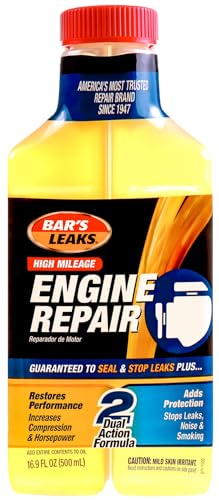
Bar’s Leaks 1000 is designed for high-mileage engines that experience compression loss and increased oil consumption. By combining performance additives, it aims to restore compression and horsepower while reducing leaks, noise, and oil burning. The product is positioned as a practical last-step option for vehicles showing signs of aging that might otherwise lead to costly repairs. Its approach focuses on sealing gaps while supporting mechanical wear areas, making it relevant for smoke reduction when leaks and burning contribute to exhaust smoke.
STA-BIL Small Engine Pro Multi-System Additive
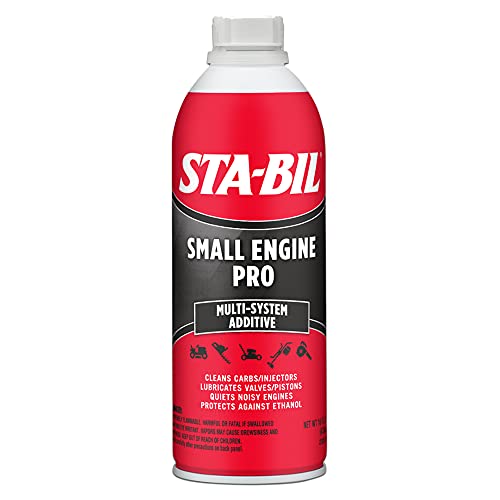
STA-BIL Small Engine Pro Multi-System adds protection against ethanol-related issues while cleaning the carburetor and injectors. It lubricates valves and pistons to extend internal engine life and reduce friction, contributing to quieter operation. By improving fuel system cleanliness, it can indirectly help minimize smoke caused by fuel combustion irregularities. This option is well-suited for small engines, lawn equipment, and older gasoline systems that tend to develop varnish, gum, or carbon buildup over time.
XADO EX120 Motor Oil Additive

XADO EX120 is a motor oil additive designed to rebuild worn metal surfaces and form a protective metal-ceramic coating. It promises extended engine life and reduced friction by revitalizing critical components. The blend aims to provide durable protection for high-mileage engines, potentially reducing oil consumption and exhaust smoke by improving lubrication and wear resistance. Its claimed benefit of improving oil pressure can contribute to smoother operation and less noisy engines in aging vehicles.
Bardahl 2117-CS NoSmoke + StopLeak

This variant of Bardahl NoSmoke + StopLeak emphasizes stopping oil burning and reducing exhaust smoke, while also acting as an engine oil leak sealer. It targets noisy lifters and brittle seals, helping to restore smoother operation and potentially extend the life of aging seals. The formulation is designed to reduce emissions and support more stable engine performance, making it a practical choice for drivers facing persistent smoke issues in older engines.
XADO Engine Oil Additive (Up To 10 Qt)
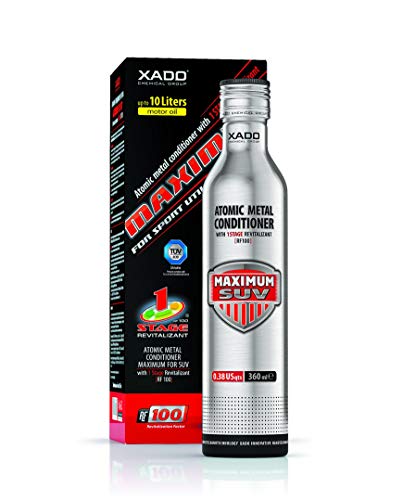
XADO Engine Oil Additive for larger oil capacities (up to 10 quarts) focuses on wear protection, restoring surfaces, and improving engine reliability. It aims to rebuild worn metal parts and provide active protection against overload and overheating. While not exclusively marketed for smoke reduction, improved lubrication and wear resistance can contribute to lower oil consumption and smoother operation in aging engines, potentially reducing incidental smoke caused by excessive friction and poor seals.
Buying Guide: Key Considerations When Choosing An Additive
- Engine condition and usage: Assess whether oil burning, leaks, or fuel-system deposits are the primary smoke culprits. For oil-burning symptoms, a top-tier oil additive with sealant properties may help; for deposits, cleaners and stabilizers can reduce smoke from improper combustion.
- Seal and leak concerns: If leaks are suspected in gaskets, seals, or oil pans, select products that emphasize seal restoration or leak sealing while avoiding drastic changes that could mask serious issues.
- Fuel system cleanliness: For engines with rough idling, poor fuel economy, or injector deposits, fuel-system cleaners that target gum and varnish can reduce smoke caused by improper combustion.
- Engine type and capacity: Some additives are formulated for small engines, while others cater to cars, SUVs, or high-mileage engines. Use the product that matches your OEM capacity and vehicle type.
- EFW and emissions considerations: If emissions compliance is a concern, products that assist cleaner exhaust and reduced pollutants may be preferable while remaining within manufacturer guidelines.
- Maintenance integration: Additives are most effective when used as part of a regular maintenance routine—follow the manufacturer’s dosing instructions and align with oil change intervals.
- Safety and compatibility: Check for compatibility with your engine oil type (synthetic, conventional) and any known additives in your current oil to avoid undesired chemical interactions.
In summary, selecting the right additive depends on diagnosing the root cause of smoke—oil burning, leaks, or fuel-system deposits. The listed products offer varied approaches, from sealing leaks and reducing oil consumption to cleaning the fuel system and restoring worn components. When used correctly, these additives can contribute to quieter operation, cleaner exhaust, and improved engine longevity without requiring major repairs.