Best Power Stations for Overlanding: Reliable Off-Grid Power on the Road
Overlanding demands dependable power that’s portable, versatile, and easy to recharge wherever the trip takes you. The following selections showcase compact batteries, high-capacity modules, and fast charging capable of keeping lights, cameras, fridges, and CPAP machines running while you explore remote trails. Below are five top options that balance size, output, and practicality for outdoor adventures.
| Product | Capacity | Output (W) | Recharge | Best For |
|---|---|---|---|---|
| Jackery Explorer 300 | 293Wh | 300 | AC/USB-C/Car | Lightweight camping needs |
| OUPES Mega 1 | 1024Wh (expandable) | 2000 | AC/Car/ solar (optional) | Home backup & heavy loads |
| SeeDevil 1200W | 1132Wh | 1200 | AC/Car/Solar | Multiple devices on the road |
| EHOM EP350 | 299Wh | 350 | AC/solar (optional) | CPAP & small appliances |
| DARAN 600W | 288Wh | 600 | AC/Car/Solar | Extended trips & heavy use |
Overview: Each option brings a unique balance of weight, capacity, and recharge options. For overlanding, consider total payload, the number of devices you need to run, and how quickly you want to replenish energy after long drives between campsites. The five choices below are evaluated for portability, charging versatility, and stable power output in rugged environments.
Jackery Explorer 300 — Compact, Lightweight Power
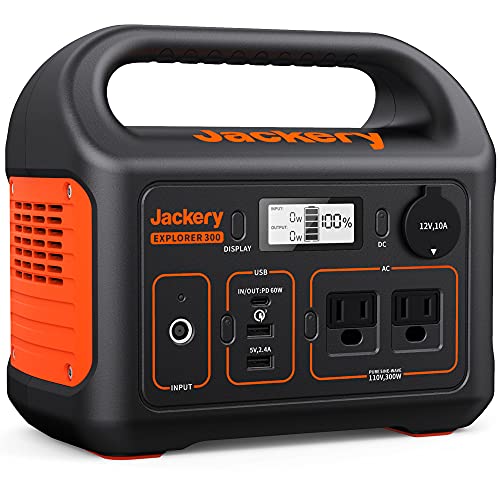
The Jackery Explorer 300 serves as a portable power hub for light overlanding setups. It features a 293Wh lithium-ion battery and two Pure Sine Wave AC outlets delivering safe 300W total power. Its lightweight design—about 7.1 pounds—makes it ideal for packing on longer treks. The unit supports multiple recharging modes: wall AC, car outlet, USB-C PD, and compatibility with solar panels such as Jackery SolarSaga 100. With several ports (2 AC outlets, USB-C, USB-A, and DC car port), it can power multiple devices simultaneously, including drones and laptops. Fast recharge options shorten downtime at camp.
OUPES Mega 1 — Expandable, High Capacity
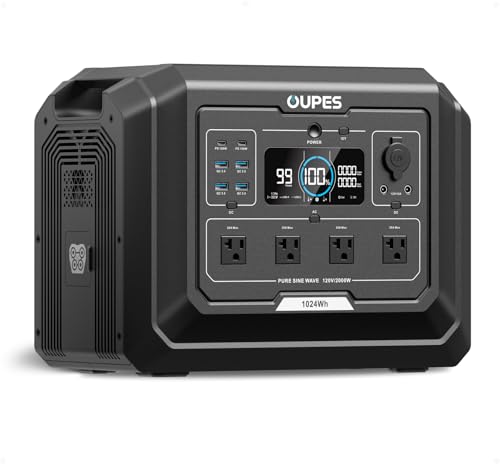
The OUPES Mega 1 delivers 1024Wh of LiFePO4 energy and expandable capacity to 5kWh with an extra battery. It powers up to 2000W AC (4500W peak), making it capable of running refrigerators, CPAP machines, and other high-wattage devices. It supports rapid charging, achieving up to 80% in roughly 36 minutes with fast charging. Dual charging speeds and multiple input sources—AC, car, and solar (panel not included)—make it a strong option for longer expeditions or base camps that demand reliability and room to grow power if plans change.
SeeDevil Portable Power Station 1200W — High Output, Quiet

The SeeDevil 1200W unit offers a robust 1132Wh capacity with 13 ports to support multiple devices at once. Rated power is 1200W with a peak of 2400W, making it suitable for larger appliances on the move. It includes ETL listing and a silent cooling fan, ensuring safe operation without heavy noise. Recharge options include AC, car outlet, and solar, with the cooling and protection features designed for off-grid usage in varying climates. The broad port selection makes it versatile for running camp lighting, gadgets, and even small kitchen equipment.
EHOM EP350 — Fast-Charging, Compact Power

The EHOM EP350 delivers 299Wh and 350W continuous output, with peak up to 700W. It supports multiple recharge methods, including solar input (up to 200W), AC, and 12V/24V car outlets. Fast charging can push 80% in about 55 minutes and 100% in roughly 1.25 hours, enabling quick re-energizing between camps. Its compact form factor makes it a strong option for CPAP users or campers with moderate power needs who still require reliable, clean energy on the go.
Daran Portable Power Station 600W — Durable & Versatile

The DARAN unit supplies 600W continuous output (1200W surge) with 288Wh capacity, ideal for moderate off-road adventures and emergency power. It supports fast recharging via AC in about two hours and can be charged through car outlets or solar input. The LiFePO4 battery provides a long cycle life and includes safety protections and a BMS. Its compact weight and integrated display make it a practical option for campers who need reliable, no-fuss energy with room for growth in future trips.
Buying Guide: Key Purchase Considerations For Overlanding
- Power needs: Assess peak wattage and run-time requirements for essential devices (fridge, CPAP, lights, laptops, cameras). Choose a unit with a margin above your typical load.
- Weight and portability: Overlanding benefits from lighter, compact models. If you require heavy-duty power for longer trips, consider expandable batteries or higher-capacity units.
- Recharge options: Versatility matters. Look for units with AC, DC/car charging, USB-C PD, and solar compatibility to keep moving between stops.
- Battery chemistry and lifecycle: LiFePO4 cells offer longer cycle life and better longevity under demanding use. Evaluate warranty and payload durability for outdoor use.
- Safety and durability: ETL or UL listings, built-in cooling, and protective circuits are important for harsh environments. Noise levels and heat generation also affect usability at camp.
- Expansion potential: Some models (like expandable configurations) allow adding batteries for significant capacity increases, suitable for base camps or long expeditions.
- Reliability and support: Opt for brands with clear support channels, accessible parts, and documented performance tests to minimize field issues.
- Price vs. value: While not listing prices, compare total cost of ownership based on capacity, recharging speed, and potential expansion against your planned trips.
These considerations help tailor a selection to your overlanding style—whether you prioritize ultra-light carry, high-capacity power for multi-day trips, or the flexibility to scale up as needed.